The Bible describes the Antichrist as a future opponent of God who will deceive nations and persecute believers before Christ’s return. The term first appears in 1 John 2:18, identifying both a coming singular figure and many present antichrists who deny Jesus as Messiah. Second Thessalonians portrays him as a “man of lawlessness” who exalts himself above God, while Revelation 13 depicts a beast blaspheming God and ruling for forty-two months. Christ will destroy him at His return, casting him into eternal judgment and vindicating God’s faithful. The passages below explore these themes further.
Key Takeaways
- The term “Antichrist” first appears in John’s letters, describing both a future singular figure and many present opponents of Christ.
- The Antichrist will oppose God, persecute believers, perform deceptive miracles, and demand worship during a forty-two month reign.
- Scripture portrays him as a “man of lawlessness” who exalts himself above God and sits in God’s temple.
- Christ will destroy the Antichrist at His return, throwing him into the lake of fire for eternal judgment.
- “Antichrist” means “against or in place of Christ,” representing ultimate opposition to Jesus as Messiah and Son of God.
Biblical Origins and Defining Characteristics of the Antichrist
The concept of the Antichrist originates in the New Testament, where the term itself first appears in the letters of John—specifically 1 John 2:18, 2:22, 4:3, and 2 John 1:7. These passages describe both a singular future figure and many present antichrists who deny that Jesus is the Messiah and the Son of God.
The term Antichrist appears first in John’s letters, describing those who deny Jesus as Messiah and Son of God.
The idea draws from Jewish apocalyptic literature, particularly the Book of Daniel, which depicts a future persecutor opposing God and His people. The Book of Daniel, written circa 167 BCE, initially alluded to the persecutor Antiochus IV Epiphanes but was later associated with figures like Nero. Daniel 7 describes a beast with ten horns representing an empire, with a “little horn” speaking great things and making war on the saints, destined to be destroyed by the Ancient of Days who gives the kingdom to the Son of Man.
Paul’s second letter to the Thessalonians expands this portrait, describing a “man of lawlessness” who will exalt himself above God, sit in God’s temple, and perform deceptive signs empowered by Satan. Scholars note this figure’s portrayal aligns with concerns about apostolic authority and early church challenges.
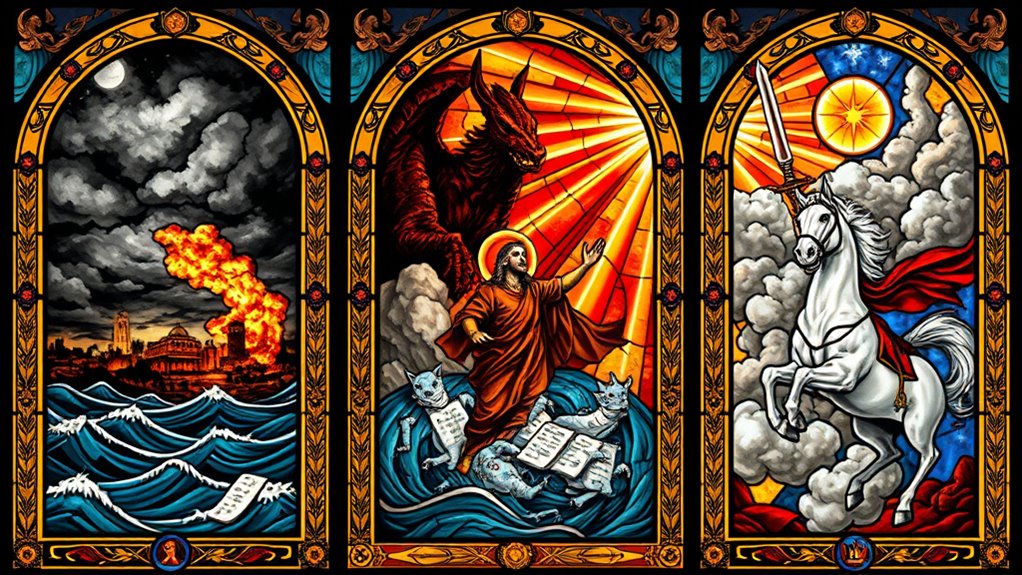
Revelation 13 further develops this figure as a beast who blasphemes God and persecutes believers for an appointed time before facing final judgment.
The Antichrist’s Eschatological Role and Ultimate Defeat

According to New Testament eschatology, the Antichrist serves as the final and most formidable opponent of Christ and His church before the end of the age. Revelation 13:5–7 indicates his reign will last forty-two months, during which he will blaspheme God, persecute believers, and exercise worldwide authority through Satan’s power. Early Christian tradition associated central events of salvation history with sites like Golgotha, emphasizing continuity with biblical fulfillment.
He will perform deceptive miracles and demand worship, forming an unholy trinity with Satan and the false prophet who enforces his cult. The term “antichrist” itself comes from the Greek “antichristos,” meaning against or in place of Christ. Despite this tyranny, his defeat remains certain.
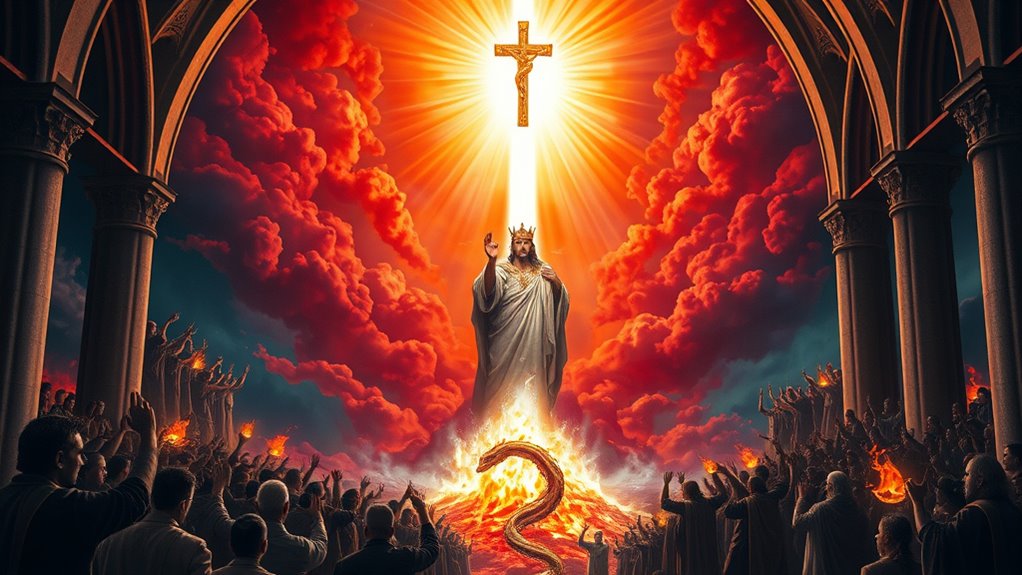
Second Thessalonians 2:8 states Christ will destroy him “by the spirit of His mouth” at His return. Revelation 19:20 records that the Antichrist and false prophet will be thrown into the lake of fire, ending their persecution and vindicating God’s faithful people forever. There, he will spend eternity in torment along with Satan and the false prophet, as Revelation 20:10 confirms.