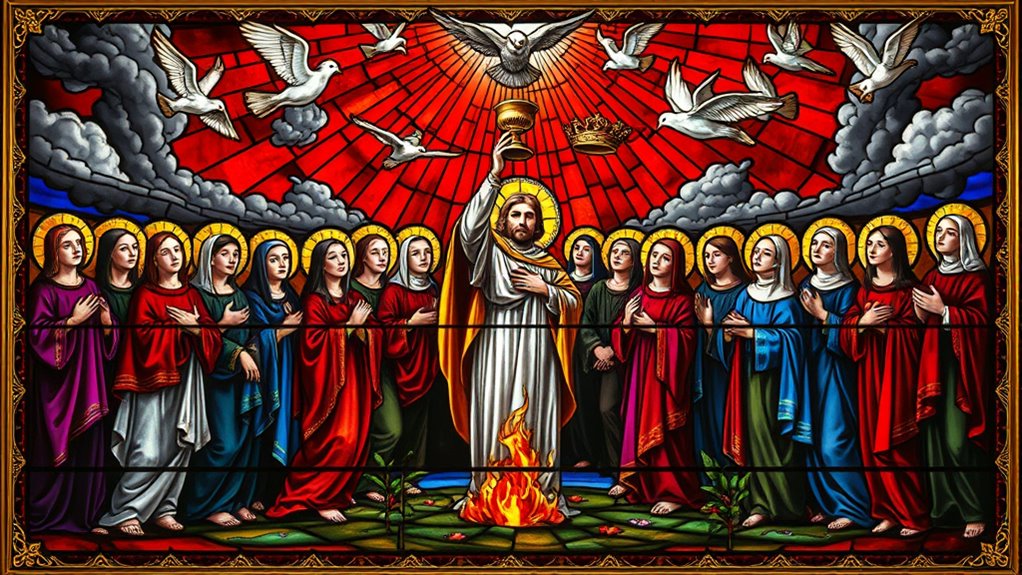






The Bible acknowledges change as constant in human life while pointing believers toward God’s unchanging character as an anchor. Malachi 3:6 declares “I the Lord do not change,” and Hebrews 13:8 describes Christ as “the same yesterday, today, and forever.” Scripture addresses anxiety during shifts through passages like Matthew 6:25–34, which connects worry to doubt in God’s provision, and Philippians 4:6, which redirects concern toward prayer with thanksgiving. Biblical figures including Abraham, Moses, and Esther model trust through major life shifts, demonstrating that faith remains possible even when circumstances feel uncertain. The sections below explore how these principles apply practically.
Key Takeaways
- God’s nature remains unchanging (Malachi 3:6; Hebrews 13:8), providing stability and dependability amid life’s transitions.
- Biblical figures like Abraham, Moses, and Paul trusted God through major changes, demonstrating faithful obedience during uncertainty.
- Scripture redirects anxiety during change toward prayer and trust (Matthew 6:25-34; Philippians 4:6-7; Proverbs 3:5-6).
- God promises presence and guidance through transitions (Isaiah 41:13; Deuteronomy 31:8; Psalm 32:8), never forsaking His people.
- Isaiah 43:19 reveals God creates new paths through difficult seasons, transforming wilderness experiences into opportunities for growth.
Why God’s Unchanging Nature Matters When Everything Else Is Changing

Stability serves as an anchor when storms arrive, and the unchanging nature of God offers believers a fixed point in a world marked by constant flux.
In a world of constant change, God’s unchanging nature provides believers an unshakable anchor and fixed point of stability.
Scripture affirms this constancy in Malachi 3:6, where God declares “I the Lord do not change,” establishing His character as immutable.
His righteousness, love, mercy, and justice remain consistent across both covenants, spanning nearly 500 years between Malachi and James without alteration.
This reliability extends to Christ, whom Hebrews 13:8 describes as “the same yesterday, today, and forever.”
Such permanence does not indicate inactivity but rather dependable responses rooted in unchanging principles.
When circumstances shift unpredictably, God’s faithful character provides believers with a foundation that neither wavers nor fails, offering steady hope amid uncertainty.
The doctrine of the Trinity explains how God is one being in three Persons, affirming both unity and distinction within the Godhead, which supports understanding of Jesus’ consistent divine identity as part of that unchanging nature Trinity.
What Does the Bible Say About Fear and Anxiety During Transitions?

While God’s unchanging character provides a reliable foundation, the human experience of change frequently triggers fear and anxiety that Scripture addresses directly.
Matthew 6:25–34 links anxiety to unbelief in God’s provision, with Jesus rebuking “O you of little faith” for doubting during trials. The passage instructs against worrying about tomorrow’s troubles, emphasizing trust over earthly concerns.
Isaiah 41:13 and Deuteronomy 31:8 affirm God’s presence, stating He takes hold of hands and never forsakes His people.
First John 4:18 explains that perfect love drives out fear, while Philippians 4:6 redirects anxiety toward prayer with thanksgiving.
Proverbs 3:5-6 urges full trust in God rather than personal understanding.
Second Timothy 1:7 declares God provides power, love, and self-discipline to counter fear during life’s inevitable changes.
Archaeological and historical research also locates Jesus’ crucifixion site at the Church of the Holy Sepulchre, known as Golgotha, reinforcing the tangible reality of the gospel events.
How to Renew Your Mind When Life Feels Uncertain

During seasons of uncertainty, the practice of renewing one’s mind requires intentional habits that redirect attention from anxious speculation to present realities.
Renewing the mind demands deliberate practices that pull focus away from imagined fears and anchor it firmly in what is actually here.
Observing thoughts without judgment helps interrupt negative patterns, while focusing on breathing or sensory details anchors awareness in the moment.
Short daily meditation sessions build consistency, and gently refocusing when the mind wanders strengthens mental discipline.
Breaking tasks into manageable portions reduces overwhelm, and addressing solvable problems while releasing uncontrollable what-ifs restores a sense of agency.
Establishing daily routines provides structure, and acknowledging small positives counters catastrophic thinking.
Limiting news consumption to a personal threshold prevents information overload.
Connecting with nature or engaging in flow-state activities like cleaning offers calming presence.
These practices, applied persistently, cultivate flexible resilience rather than rigid expectations during shifts.
Regular spiritual disciplines, including daily Bible reading, can deepen your perspective and provide lasting stability.
Biblical Examples of People Who Trusted God Through Major Change

Scripture records multiple individuals who faced profound disruptions yet moved forward by trusting God’s direction rather than clinging to familiar circumstances. Abraham left Ur without knowing his destination, believing God’s promise of descendants even when circumstances seemed impossible.
Paul’s entire identity shifted on the Damascus road, transforming from persecutor to church builder despite imprisonment and beatings.
Daniel resolved beforehand to maintain his faith practices in exile, continuing prayer even when a decree threatened his life.
Moses returned from wilderness hiding to confront Pharaoh, trusting God’s provision at the burning bush.
Esther risked execution by approaching the king uninvited, saving her people through courage and reliance on divine providence. Archaeology and historical sources also confirm many biblical figures and settings, underscoring the historical context of these accounts.
3 Scriptures to Pray When You Need Stability and Hope

When uncertainty threatens to overwhelm, specific biblical passages function as anchors that steady the mind and redirect focus toward God’s unchanging character.
Hebrews 13:8 reminds believers that Jesus Christ remains constant yesterday, today, and forever.
Isaiah 43:19 speaks directly to seasons requiring new direction, promising that God creates fresh paths through wilderness experiences.
Philippians 4:6-7 addresses anxiety by prescribing prayer combined with thanksgiving, which produces peace that surpasses understanding.
Romans 8:18 reframes present suffering by comparing temporary hardships against eternal glory.
Psalm 32:8 assures divine guidance through changes, stating God will instruct and watch over those steering change.
These verses, when prayed consistently, reinforce stability by grounding believers in scriptural truth rather than fluctuating circumstances.
The historical tradition that associates Jesus’ birth with Bethlehem’s significance underscores how Scripture and place together shape enduring hope and identity.