
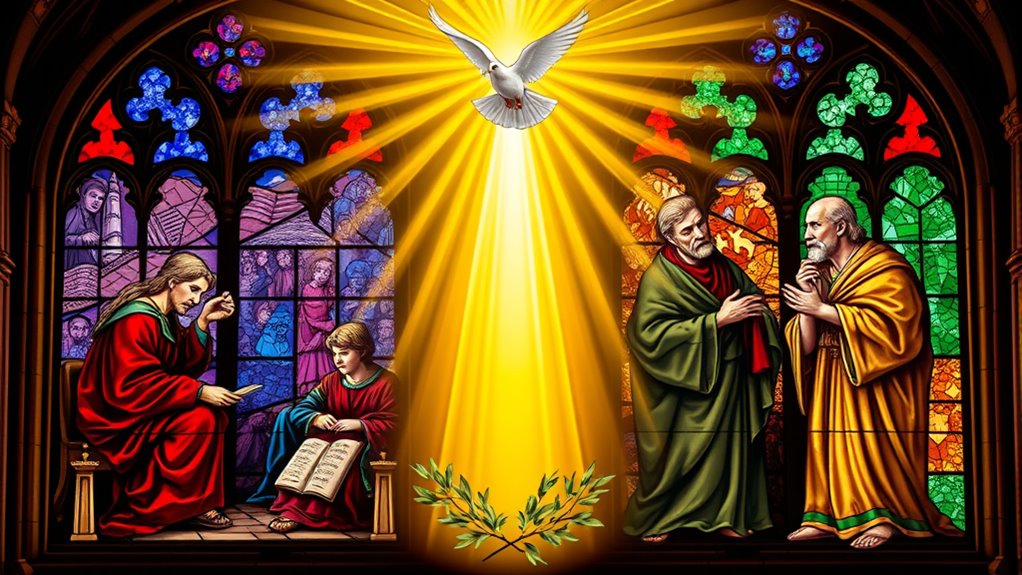
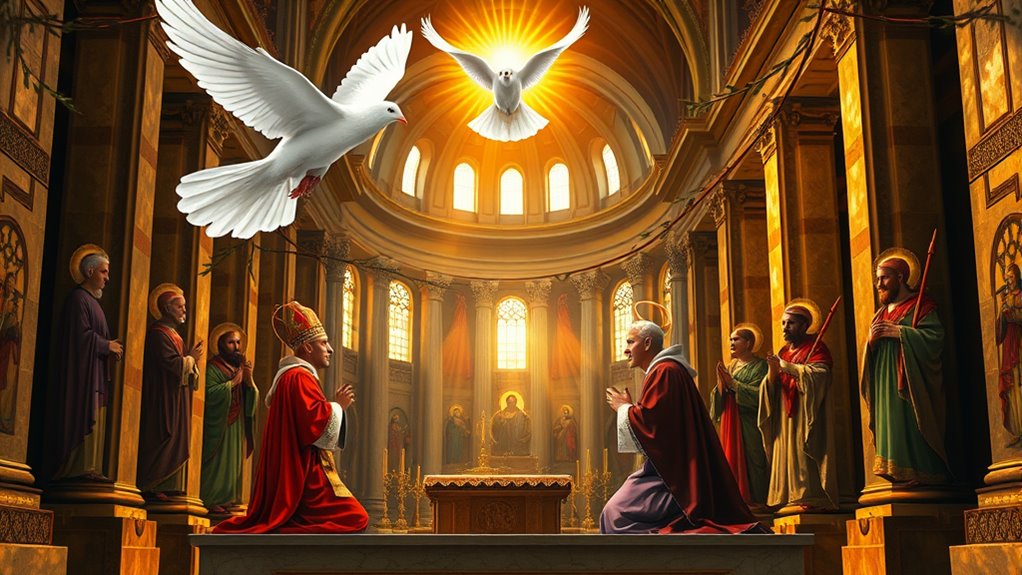
Cardinal Kurt Koch has suggested that the filioque clause, a theological dispute central to the 1054 Great Schism between Catholic and Orthodox churches, may no longer prevent reunification. The phrase, added to the Latin Creed in 1014, affirms the Holy Spirit proceeds from both Father and Son, which Orthodox Christians reject as heresy. Pope Leo XIV recently recited the Creed without the filioque at Nicaea in 2025, and his apostolic letter In Unitate Fidei notes the clause remains subject to dialogue. The article below explores these developments further.
A longstanding theological dispute between the Catholic and Orthodox churches may be moving closer to resolution, as a senior Vatican official suggested that the controversial filioque clause no longer needs to block the path toward unity.
Cardinal Kurt Koch, prefect of the Dicastery for Christian Unity, stated in a December 12, 2025 interview with Die Tagespost that debates over both the filioque and papal infallibility are resolvable without preventing reconciliation between the two ancient branches of Christianity.
Cardinal Koch believes longstanding theological disputes including the filioque and papal infallibility need not obstruct Catholic-Orthodox reconciliation.
The filioque clause, added at the Third Council of Toledo in 589 AD and inserted into the Latin Creed by Pope Benedict VIII in 1014, was absent from the original Creed formulated at the Council of Constantinople in 381.
The Western addition affirms that the Holy Spirit proceeds from the Father and the Son, a formulation Orthodox Christians reject as heresy, insisting the Spirit proceeds from the Father alone.
This disagreement contributed profoundly to the Great Schism of 1054, which split Christianity into Eastern and Western churches. Churches have historically opposed divination as incompatible with core Christian teachings.
Recent papal actions suggest Rome’s willingness to accommodate Eastern concerns.
Pope Leo XIV recited the Niceno-Constantinopolitan Creed without the filioque during liturgy at Iznik, the ancient site of Nicaea, on November 28-30, 2025, marking the 1700th anniversary of the Council of Nicaea.
He had previously omitted the disputed phrase during a common recitation with Orthodox representatives on September 14, 2025.
His apostolic letter In Unitate Fidei, published May 30, 2025, quoted the Creed in its Eastern form and noted in a footnote that the filioque was absent from the Constantinople text and remains subject to dialogue.
The North American Orthodox-Catholic Consultation issued a detailed statement in 2003 recommending Catholic use of the original 381 Greek text in liturgy and catechesis.
A joint subcommittee is now preparing a draft on the filioque following discussions on papal infallibility.
The phrase was first inserted to counter Arianism, which denied the divinity of Christ, emphasizing that the Holy Spirit proceeds from both the Father and the Son to affirm Christ’s full divinity.
Cardinal Koch emphasized that Catholic unity differs from Protestant mutual recognition, questioning what type of unity ecumenical efforts truly seek. He noted that some Protestant denominations seek mutual recognition among Christian communities, while the Catholic view aims for doctrinal unity rather than mere recognition.
While critics argue the filioque cannot simply be dismissed after fourteen centuries, these symbolic gestures and ongoing dialogues reflect a shared foundation that may propel both churches toward reconciliation.