
The Bible describes death as an unwelcome consequence of human disobedience, entering the world through Adam and Eve’s sin according to Romans 5:12. Scripture portrays death as separation of soul from body and identifies it as an enemy in 1 Corinthians 15:26, not part of God’s original design. However, the biblical narrative centers on hope through Jesus Christ’s resurrection, which promises believers victory over death and transformation into imperishable bodies. The passages below explore these themes more thoroughly.
Key Takeaways
- Death entered the world through human sin, not as part of God’s original creation plan (Romans 5:12).
- Death separates soul from body and is described as an enemy, causing ritual impurity in Scripture.
- Jesus Christ conquered death through His physical resurrection, offering believers victory over the grave (1 Corinthians 15).
- Believers receive the promise of bodily resurrection and eternal life through faith in Christ (John 11:25-26).
- Resurrection bodies will be imperishable and immortal, ultimately defeating death’s power forever (1 Corinthians 15:26).
The Nature of Death in Biblical Perspective

The Bible presents death not as a natural feature of creation but as an unwelcome intrusion, a direct consequence of human disobedience. According to Romans 5:12, death entered the world through Adam and Eve’s sin, transforming the human condition. Many biblical writings were composed across centuries, from about 1500–100 AD, reflecting diverse historical contexts.
Scripture describes death as a separation—the soul departs from the body, which returns to dust (Ecclesiastes 12:7, Genesis 3:19). This division is portrayed as unnatural, a disruption of the integrated unity God originally intended. In the Old Testament, touching a corpse rendered one ritually unclean, emphasizing death’s impurity and its incompatibility with the holiness of God’s people.
First Corinthians 15:26 identifies death as an enemy, reflecting its role as a penalty rather than part of the Creator’s design. Augustine emphasized that death represents an imposed consequence of rebellion against God, underscoring humanity’s broken state and the need for divine restoration. God originally created humans to live forever in a perfect environment, highlighting that death was never part of His intended plan for humanity.
Victory Over Death Through Christ’s Resurrection

How does Christianity address the problem of death introduced by human sin? According to Scripture, Jesus Christ’s physical resurrection serves as the foundation for victory over death. Early Christians preserved the resurrection narratives through eyewitness accounts, ensuring their transmission to later generations.
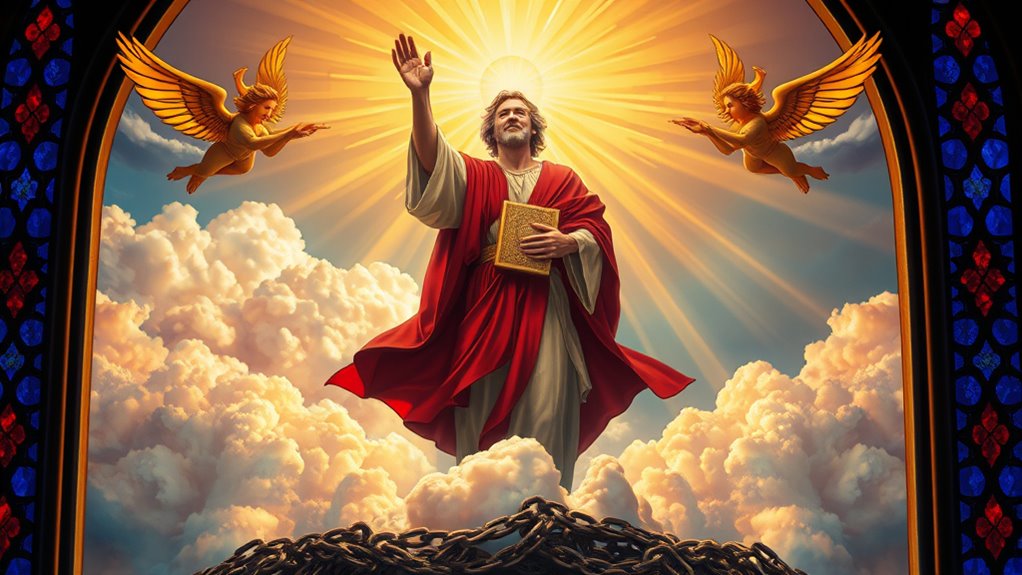
In 1 Corinthians 15, Paul teaches that while death entered through Adam, resurrection and new life come through Christ, who is called the “firstfruits” of those who have died. His bodily resurrection, described as glorified and incorruptible, demonstrates complete triumph over the grave’s power.
John 11:25-26 records Jesus declaring himself “the resurrection and the life,” promising eternal life to believers. This victory breaks what Scripture calls the “sting of death,” which is sin, and assures Christians of future bodily resurrection. The same Spirit who raised Jesus from the dead dwells in believers, providing life to mortal bodies according to Romans 8:11.
The event confirms that mortality will be replaced by immortality for all who belong to Christ. Believers will be changed instantly at the last trumpet, receiving imperishable resurrection bodies.