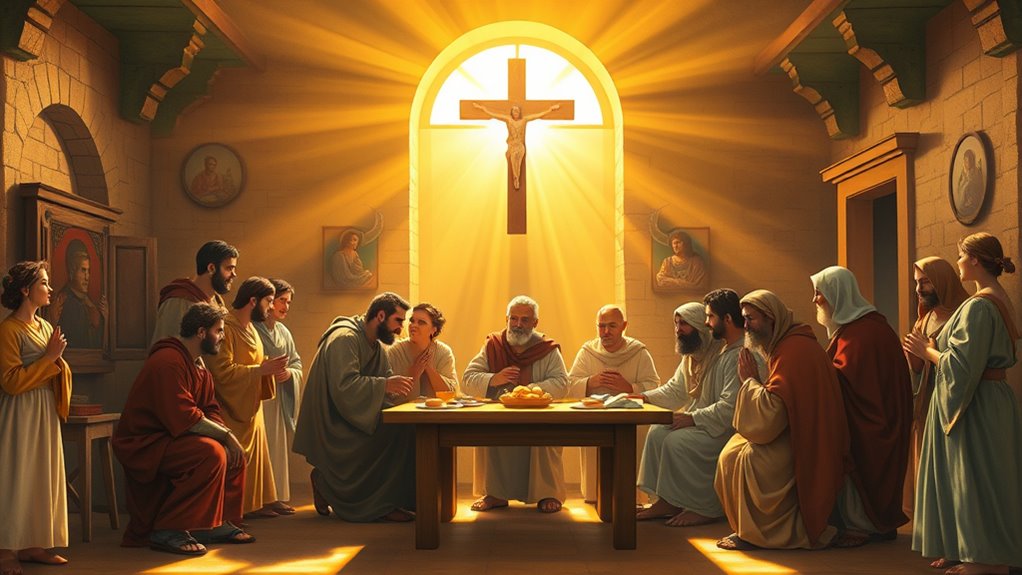






Many Catholic parents discover that Mass attendance and religious education alone do not guarantee their children remain in the faith. Research shows only 24% of Catholic parents regularly discuss religion at home, compared to 38% of Protestant families. Homes with high faith practices—including prayer, scripture discussion, and authentic spiritual modeling—retain over 80% of their children. Most departures occur before age 30, driven by disbelief in teachings, perceived irrelevance, or institutional scandals. The data suggests that meaningful spiritual conversations and lived example matter more than institutional participation for retention.
While most American parents assume their children will carry forward the religious traditions they were raised in, recent research reveals a different reality unfolding across the country. According to Pew Research, one in five adults globally now leaves their childhood faith, with Christianity experiencing some of the greatest losses from religious switching.
The numbers among Catholic families paint a particularly challenging picture. While 86% of Americans were raised in some religious tradition, 35% eventually leave it behind. Catholics face specific hurdles in retention, with only 24% of Catholic parents regularly discussing religion with their children, compared to 38% of Protestant families. This gap in spiritual conversation at home appears to matter immensely.
Family structure plays an important role in these patterns. Blended families, interfaith households, and single-parent homes all show reduced religious retention rates, according to research from Barna and Lifeway. Among Christian families broadly, 83% of parents report feeling ill-equipped to teach the Bible, and only 20% engage in regular spiritual conversations with their children. These weak formative attachments contribute to what researchers call a steady drift rather than a dramatic departure. Parents can consider baptism practices as a tangible way to anchor faith within family routines.
The reasons young adults give for leaving reveal complexity beyond simple rebellion. According to survey data, 46% stopped believing the teachings, while 38% describe the faith as gradually becoming unimportant. Another 34% cite disagreements on social or political issues, and 32% point to scandals within religious institutions. Most departures happen before age 30, with 85% of those who switch doing so during their teens and twenties. Youth face cultural and peer influences promoting secular values that often conflict with their religious upbringing.
Yet retention remains possible under certain conditions. Households demonstrating what researchers call “high faith practices,” including regular attendance, prayer, and scripture discussions, retain over 80% of their children. Among those raised with strong childhood faith, only 11% leave, compared to 89% who depart from homes without meaningful religious engagement. Many experts emphasize that spiritual lives of children should be prioritized above material or career achievements in family life.
These findings suggest that authentic faith modeled consistently at home, rather than mere institutional affiliation, makes the pivotal difference in whether the next generation continues the tradition.