





Many Christians dismiss or minimize the Bible’s immigrant-protection commands by prioritizing other scriptural themes like national sovereignty, or by viewing ancient hospitality laws as culturally bound rather than universally applicable. This creates a significant gap between biblical mandates—such as Leviticus 19:33–34‘s command to treat foreigners “as the native-born”—and contemporary practice. A growing number of Christian leaders and scholars are calling renewed attention to these passages, seeking to reshape church conversations and bridge the divide between scripture and action on immigration issues today.
The Bible contains dozens of commands directing God’s people to protect and welcome foreigners living among them, a theme woven through both Old and New covenant texts with remarkable consistency. Exodus 22:21 and 23:9 prohibit oppression of the foreigner, while Leviticus 19:33–34 requires treating foreigners “as the native-born” and loving them “as yourself.” Deuteronomy 10:17–19 describes God as one who “executes justice” for the alien and commands Israel to befriend foreigners because they were once aliens in Egypt. These are not suggestions but legal obligations, enforced by warnings like the curse in Deuteronomy 27:19 on anyone withholding justice from foreigners. The Bible’s commands about foreigners are rooted in Israel’s identity as a people formed through migration and covenant with God, exemplified by the patriarchs’ journeys and the nation’s formative experiences with exile and return Israel’s origins.
Scripture’s protection of foreigners appears not as mere suggestion but as legal obligation, backed by divine warnings against withholding justice from aliens.
Ancient Israel embedded this care structurally into national life through gleaning laws, cities of refuge, and mandated inclusion of foreigners in festivals. The pattern continued in the New Testament, where Jesus taught that loving one’s neighbor fulfills the whole law. Matthew 25:35–36 depicts the Son of Man judging people based on whether they welcomed the stranger, equating hospitality to immigrants with service to Christ himself. Early Christian communities welcomed diverse members across ethnic boundaries, creating “one body” that transcended social divisions.
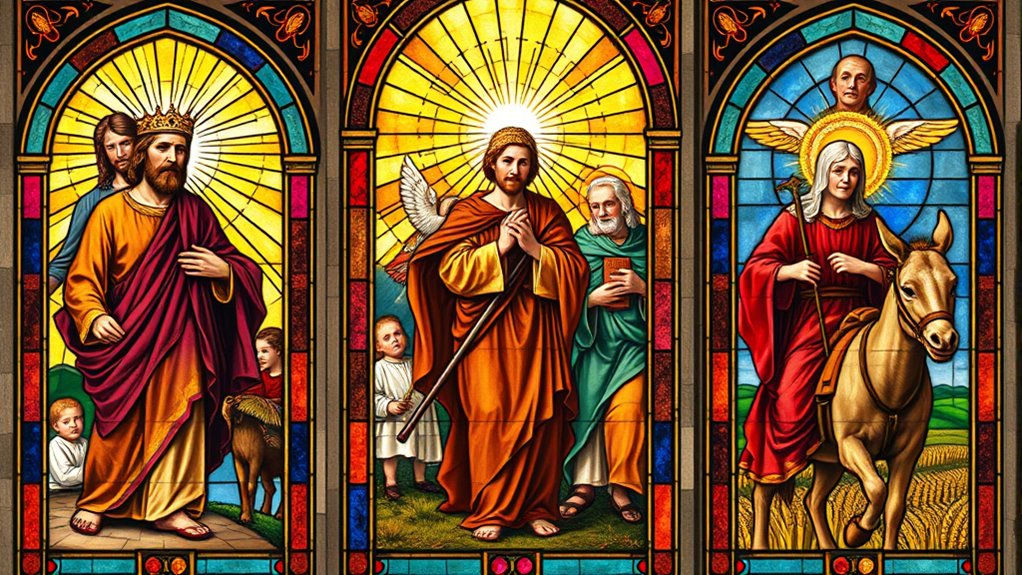
Biblical narratives reinforce these commands through stories of migration. Abraham obeyed God by becoming a migrant, leaving his homeland in a foundational act of faith. Joseph’s forced relocation to Egypt ultimately preserved his family, and Israel’s collective memory as aliens in Egypt became the explicit rationale for protecting foreigners. Catholic teaching identifies the Holy Family as an archetype for refugees, noting Jesus’ childhood flight to Egypt. The parable of the Good Samaritan further demonstrates that the definition of neighbor includes all in need, regardless of ethnic or social boundaries.
Despite this extensive scriptural record, many Christians today dismiss or minimize these commands. Some prioritize other biblical themes, particularly national sovereignty texts, while others view ancient hospitality laws as culturally bound rather than universally applicable. The gap between biblical mandate and contemporary practice remains significant, though growing numbers of Christian leaders and scholars are calling attention to the consistency and force of Scripture’s immigrant-protection passages, hoping renewed attention to these texts might reshape conversations within churches. Biblical translators have used various terms like stranger, foreigner, alien, sojourner to describe those from outside the community, words that modern readers often understand as migrants or immigrants.