




St. Agnes, reportedly martyred in Rome in 304 AD at age twelve or thirteen, remains surrounded by debate over whether her story reflects historical reality or religious embellishment. Early accounts describe her refusal to marry, her vow of virginity to Christ, and miraculous events during her persecution under Emperor Diocletian. Church writers like St. Jerome praised her youthful sanctity, yet scholars question how much later authors shaped her legend to promote ideals of female martyrdom. The following sections examine the evidence behind her controversial origins.
A young girl from a noble family in Rome, Agnes was born in 291 AD into a world where claiming the Christian faith could mean death. Her wealthy parents raised her during the reign of Emperor Diocletian, whose persecution of Christians would intensify dramatically in 303 AD with orders to destroy churches, burn sacred texts, and imprison believers who refused to worship Roman gods. Agnes grew up amid these mounting tensions, her family’s high social standing offering no protection from the empire’s religious demands.
Her name carried symbolic weight from the beginning. Derived from Greek meaning “chaste” and Latin meaning “lamb,” it foreshadowed both her vow of virginity and her eventual sacrifice. Around age twelve or thirteen, Agnes made a consecration that would seal her fate, declaring herself betrothed to Christ as her heavenly spouse. This spiritual commitment meant rejecting all earthly suitors, including young men from noble families who sought her hand in marriage. St. Jerome praised her for spotless innocence and youthful martyrdom, drawing widespread attention in early Christian communities. Many later writers used her story in debates about female sanctity and martyrdom, reflecting broader discussions about women in ministry.
The rejection that proved fatal came from the son of Prefect Symphronius, who denounced Agnes to authorities after she refused his advances. During her trial, the prefect offered her a position as a Vestal priestess, ironically attempting to preserve her virginity through pagan service. Agnes refused, insisting her life belonged to Christ first. The threats escalated from chains to execution, but she remained steadfast.
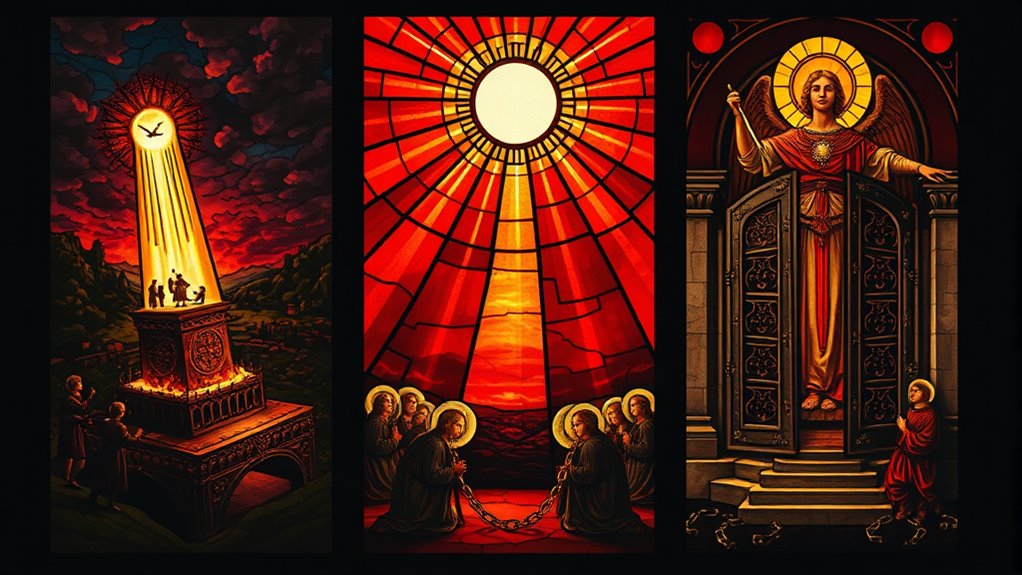
Historical accounts describe several miraculous events during her ordeal. When stripped for public humiliation, her hair reportedly grew to cover her body. An angel surrounded by light protected her in a brothel where she had been sent. The prefect’s son died when approaching her but was revived through her prayer. When sentenced to burning, the flames parted or the wood failed to ignite.
On January 21, 304 AD, Agnes was beheaded at age twelve or thirteen. Christians collected her blood on cloths, and she was buried in a catacomb that would later bear her name. Her death during the final wave of Diocletianic persecutions made her one of Christianity’s youngest martyrs, remembered for defending both faith and purity in an empire demanding absolute submission. Her bones are preserved in the Church of St. Agnes Outside the Walls, built over the original catacomb, while her skull rests in a side chapel of Sant’Agnese in Agone in Rome’s Piazza Navona.