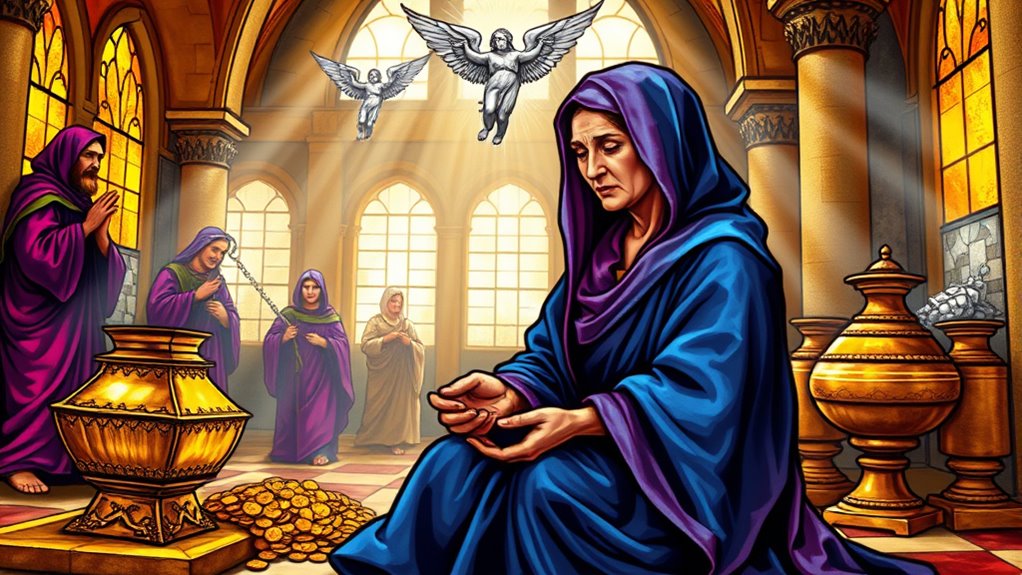
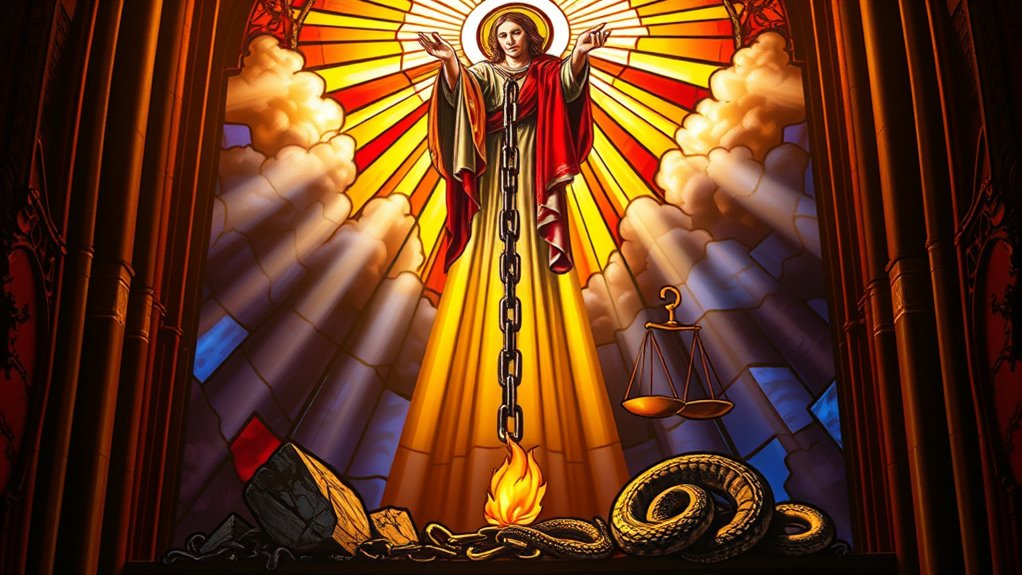


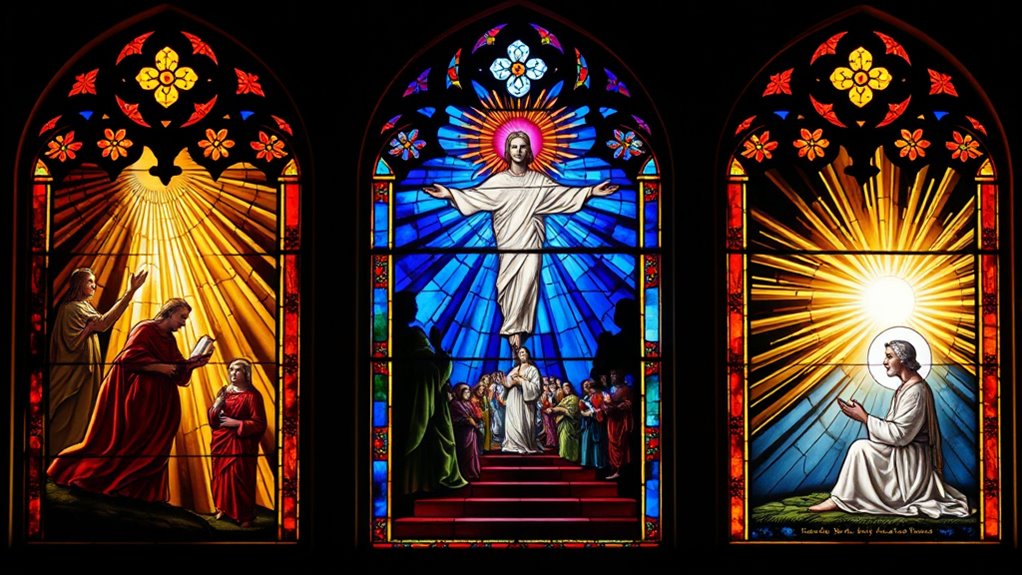
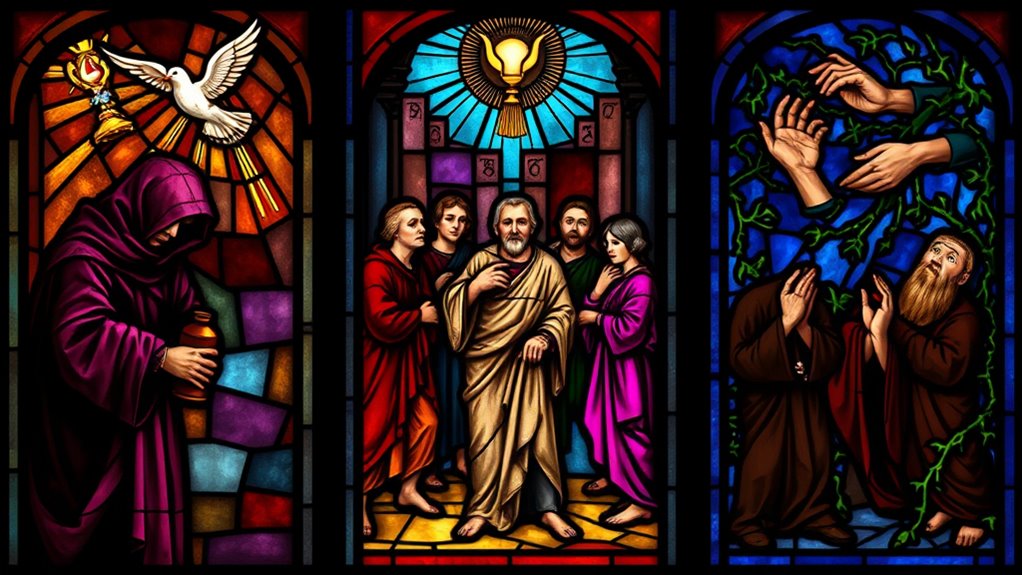
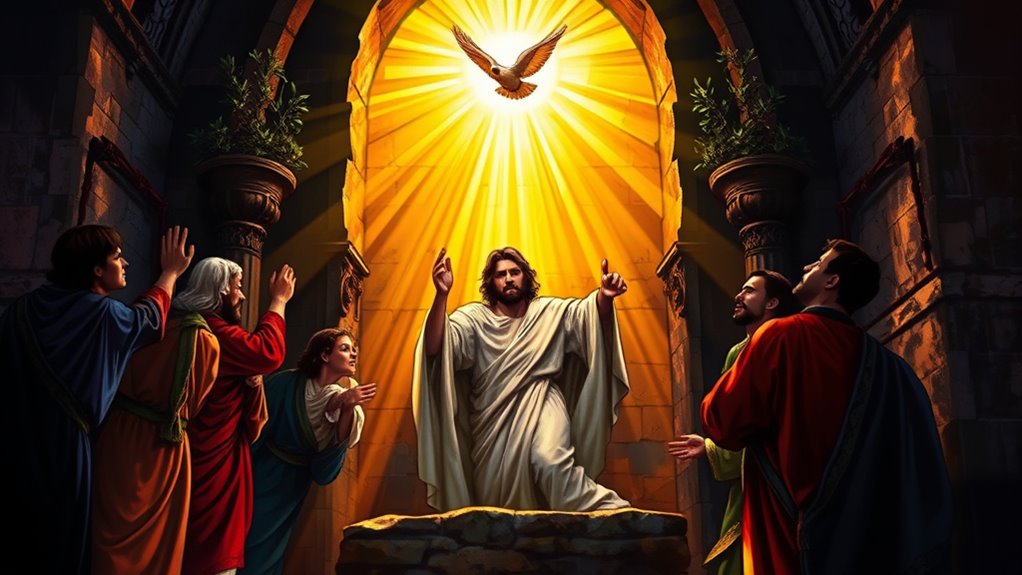
The Lazarus Blueprint identifies seven stages describing how God moves through suffering toward restoration, drawn primarily from John 11. It begins with permitted suffering, where hardship is allowed rather than caused, followed by a purposeful delay that expands the eventual demonstration. God then enters the worst moment personally, speaks specific words calling forward, and arrives as the turning point. Stage six addresses divine override of final-seeming outcomes. Research suggests roughly 70% report meaningful growth during sustained waiting. Each stage ahead clarifies this progression further.
Stage 1: Why the Lazarus Blueprint Begins With Permitted Suffering
At the opening of the Lazarus account in John 11, Jesus receives word that his close friend is gravely ill, yet he does not immediately move to help. He delays deliberately.
According to the text, the illness was never intended to end in death but was permitted for God’s glory. This detail establishes the first stage of what might be called the Lazarus Blueprint: suffering allowed, not caused, with purpose.
God does not remove the hardship immediately. Instead, the condition is held open, creating space for something larger. Permitted suffering, the account suggests, is where divine demonstration begins. Just as the Good Samaritan parable concludes with an active call to respond rather than bypass suffering, the Lazarus account frames permitted pain as an opening for purposeful presence rather than abandonment.
Martha’s response to the delay mirrors a tension many believers experience: she expressed faith in Jesus yet questioned his timing, asking why he had not arrived sooner to prevent her brother’s death, reflecting what devotional reflection on this passage identifies as the need to trust that God’s timing serves His glory even when circumstances appear to contradict His care.
This pattern aligns with biblical themes that find meaning in hardship by pointing to future restoration and God’s sustaining presence.
Stage 2: The Uncomfortable Pause Before the Lazarus Blueprint Moves
Between the moment of crisis and the moment of intervention, the Lazarus account records a pause of four days. Jesus delayed deliberately, aware that Lazarus would rise. Martha confronted him upon arrival. Mary wept at the tomb. Bystanders assumed the outcome was final.
Yet the pause served a recorded purpose: Jesus stated the situation would glorify God and strengthen belief in his authority over death. The delay expanded the number of witnesses present. Modern research reflects a parallel pattern, with roughly 70 percent of individuals reporting meaningful personal growth following sustained periods of difficult waiting before an unexpected resolution arrived. When the restorer acts wisely, normal revives are avoided so that the full weight of true revival is not diminished by accumulated compromise.
Just as Lazarus required precise conditions and timing before his resurrection could demonstrate its full weight, effective intervention demands that certain elements align before the outcome carries its greatest impact, much like how body eating by the monster can completely neutralize a revival strategy if the right response is not in place. Prayerful trust in God’s timing and practices like Scripture memorization often provide comfort and perspective during such pauses.
Stage 3: How God Personally Enters the Worst Moment of Your Life
Where the Lazarus account described a deliberate pause before intervention, Stage 3 examines what happens when God moves directly into a person’s worst moment.
Accounts describe not distant comfort but direct presence — a hand catching a striking arm, a quiet figure helping someone rise from bed. God, according to these experiences, does not arrive after the crisis resolves. He enters it. Many readers find this idea echoed in Scripture where God’s nearness is promised to the lonely and afflicted, showing that divine presence is available in suffering Psalm 23; Isaiah 41:10.
Psalm 46:1 describes Him as “a very present help in trouble.” Like Job, people report that suffering does not signal abandonment. Instead, the worst moment often becomes the precise location where divine action becomes most visible and personal.
One account describes a runner mid-stride, nearly three miles in, who collapsed into a vision of their childhood bedroom where a wrist was caught and broken before a blow could land, followed by an embrace from the intervening figure identified as Jesus.
As one pastor reflected after a torn ACL and MCL sidelined him during an intense capital campaign, the hardship opened an unexpected door to reach a bitter, atheistic physical therapist who ultimately accepted Christ.
Stage 4: The Exact Words God Speaks When He Is Ready to Move
When God is ready to move someone into a new phase of life, Scripture suggests He does not speak in generalities.
Genesis 12:1-2 records God telling Abraham to leave his country and promising to make him a great nation. The command was specific; the destination was not.
God gave Abraham a specific command but an unspecified destination. The call was clear; the path was not.
Isaiah 43:19 follows a similar pattern, announcing new things already forming before circumstances confirm them.
Scripture indicates God’s words typically combine a clear directive with an attached promise. He references timing, expansion, and new spiritual development.
The words arrive not to inform completely, but to call someone forward through faith. Hebrews 11:8 affirms that Abraham obeyed and went without knowing the destination, demonstrating that God’s call prioritizes movement over complete understanding. The priests in Joshua 3:15-16 discovered the same principle, as it was only when their feet touched the Jordan that upstream water stopped flowing, releasing heavenly resources through a single step of obedience.
This pattern often invites believers into a posture of patient obedience that transforms anger, fear, and doubt into trust and action.
Stage 5: When God’s Presence Becomes the Lazarus Blueprint’s Turning Point
God’s specific words, as examined in Stage 4, set a person in motion — but Stage 5 of the Lazarus Blueprint addresses what happens when His presence itself becomes the turning point in that journey.
In the Lazarus account, Jesus does not send instructions from a distance. He arrives. That arrival changes everything.
Scholars note that divine presence, rather than divine speech alone, marks the moment restoration becomes possible. The situation does not shift because circumstances improve. It shifts because God enters them directly.
Stage 5 suggests that presence, not merely promise, is what finally moves a person from waiting toward transformation. Upon arriving, Jesus is described as deeply moved, perturbed, and weeping — a passion driven by focused anger against Satan and the devastating effects of death.
Jesus’ arrival also exemplifies God’s compassionate care in healing and restoration, demonstrating the interplay of faith and prayer with divine presence.
Stage 6: The Moment God Overrides What Medicine, Logic, and Time Declared Final
Stage 6 of the Lazarus Blueprint addresses the moment when outcomes already declared final — by medicine, by reason, or by the passage of time — are reversed through direct divine action.
Traditional Oromo healers, including qaalluu and ayyaantuu figures, understood that knowledge held power over life and death.
Oromo cosmology measured time not in straight lines but in concentric circles, where 360-year cycles could prompt complete reconception of reality.
In God of War’s Muspelheim trials, players exceed seemingly impossible kill thresholds — 76 achieved where 70 was considered maximum.
Each system suggests declared limits remain provisional until a higher authority intervenes. Ancestors in Oromo tradition were not considered absent but treated as present active agents, capable of influencing relationships and outcomes in the living world.
The biblical promises to Abraham and his descendants foreground God’s capacity to override human expectation and alter destinies through covenantal intervention, as seen in the formation of Israel as a nation.
Stage 7: Where the Lazarus Blueprint Shows Up in Your Suffering Right Now
In the final stage of the Lazarus Blueprint, suffering is not treated as an endpoint but as a marker of proximity to divine reversal. Stage 7 mirrors John 11:43–44, where Lazarus walks out of the tomb alive after four days. Theologians who follow this framework suggest current hardships in health, finances, or relationships signal preparation for unbinding, not permanent loss. The pattern described across all seven stages moves consistently from permission through passion toward resurrection. Those inside active suffering, according to this model, may already stand closest to the moment of full restoration. After restoration comes responsibility, as Jesus instructed those present to “untie him” and release Lazarus, assigning the work of unbinding to the community gathered around the miracle. The body itself holds memory of prolonged hardship, and nervous system regulation can reduce false threat responses, creating greater internal spaciousness as restoration begins to take shape. Scripture affirms that God is present with the grieving and offers comfort and hope amid sorrow.