






The Bible does not use the phrase “nagging wife” as a fixed expression. Instead, Proverbs repeatedly addresses a quarrelsome or contentious wife, using vivid imagery like constant dripping water to describe relentless marital conflict. Proverbs 21:9, 19:13, and 27:15 reflect this pattern. These passages function as wisdom observations rather than condemnation, and Scripture ultimately calls both spouses toward honest communication, covenant faithfulness, and restored peace. The passages ahead clarify what that actually looks like in practice.
Key Takeaways
- The Bible doesn’t use the phrase “nagging wife” but addresses quarrelsome, contentious behavior in marriage through multiple Proverbs passages.
- Proverbs 21:9 warns that living on a rooftop corner is preferable to sharing a home with a quarrelsome wife.
- Proverbs 19:13 compares a wife’s quarrelsomeness to constant dripping, emphasizing how relentless conflict steadily erodes household peace.
- Ephesians 5:25 obligates husbands to respond with sacrificial love rather than withdrawal, even within a difficult marriage.
- Scripture presents these observations as wisdom for engagement and restoration, not justification for abandoning the marriage covenant.
What Does the Bible Actually Call a “Nagging Wife”?
When someone references what the Bible says about a “nagging wife,” the phrase itself does not actually appear in Scripture as a fixed expression.
English Bible translations more commonly use words like “quarrelsome,” “contentious,” “brawling,” or “fretful” to describe the behavior these passages address.
English Bible translations favor words like “quarrelsome,” “contentious,” or “brawling” rather than the simplified phrase “nagging wife.”
The King James Version, for example, uses the phrase “a brawling woman” in Proverbs 21:9.
Some modern paraphrases do substitute “nagging wife” for readability, but that rendering simplifies the stronger language found in the original text.
The Hebrew behind these verses ties closely to concepts of quarreling, strife, and ongoing irritation.
The biblical focus is on persistent contention within the home, not a single complaint.
Understanding that distinction helps readers engage more accurately with what Proverbs is actually describing.
Proverbs 21:9 and Proverbs 25:24 share nearly identical wording, both stating it is better to live in a corner of the housetop than in a house shared with a quarrelsome wife.
Proverbs approaches these warnings as wisdom rather than condemnation, offering guidance intended to support love, patience, and understanding within the home.
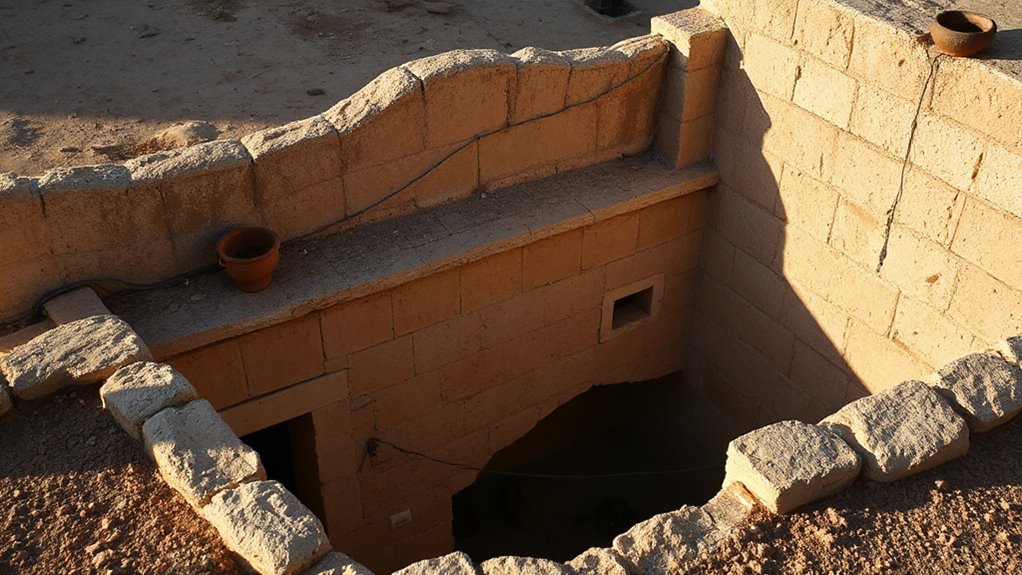
Archaeological evidence about first-century domestic life near Bethlehem provides context for how family dynamics and household roles were lived out in the broader historical and cultural setting.
Key Proverbs About a Quarrelsome Wife Explained
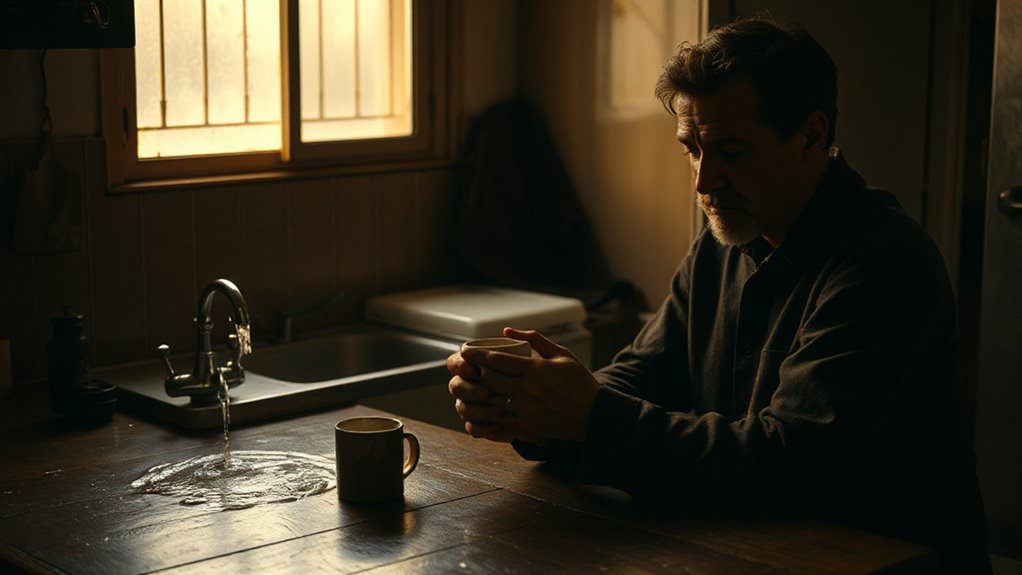
Several passages in Proverbs return to the same domestic concern: persistent conflict within marriage. Proverbs 19:13 compares a quarrelsome wife to “constant dripping,” emphasizing speech that gradually erodes household peace.
Proverbs 21:9 declares it better to live on a rooftop corner than inside a conflict-filled home, a claim strong enough to be repeated word-for-word in Proverbs 25:24.
Proverbs 21:19 intensifies the picture further, pairing quarrelsomeness with an ill-tempered disposition and suggesting that even desert living offers more relief.
Proverbs 27:15–16 extends the dripping image by comparing contention to wind and oil — things difficult to contain once released. The behaviors described revolve around words, including nagging, verbal degradation, and reminding a husband of his past failures.
Together, these verses form a deliberate pattern, using vivid comparisons to communicate that relational strife, left unchecked, steadily diminishes the safety a home should provide. Notably, Proverbs was addressed to young men, written as a father’s instruction to his son preparing for adulthood, which shapes the perspective from which these domestic warnings were originally framed.
The cultural background of these proverbs reflects a multilingual Palestine where everyday speech was primarily in Aramaic, influencing how domestic advice was communicated.
What God Expects From Both Spouses in How They Communicate
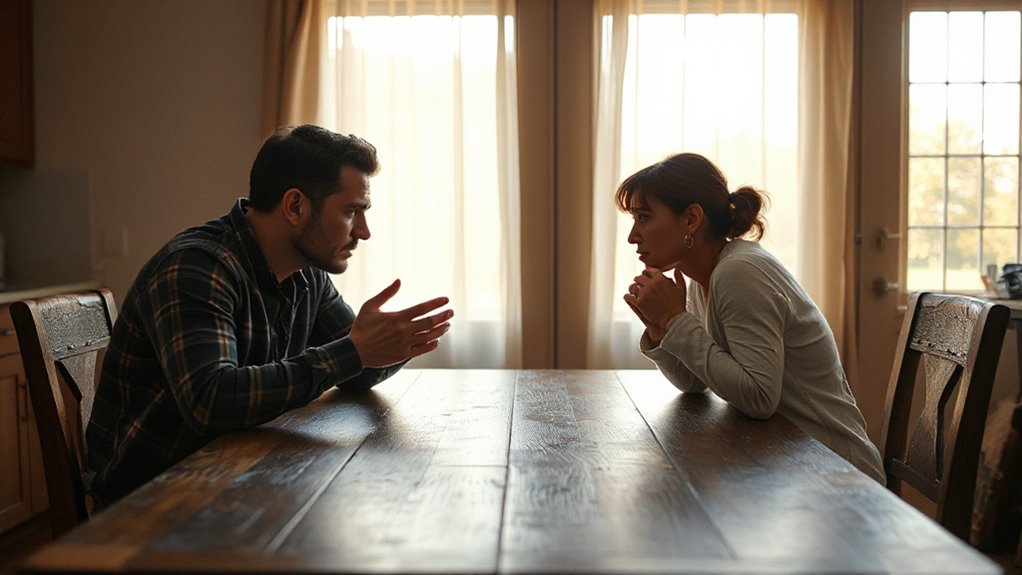
Beyond what Proverbs says about a quarrelsome wife, Scripture also sets clear expectations for how both spouses should speak and listen to each other.
Ephesians 4:25 calls believers to speak truth to one another, a standard that applies directly inside marriage. James 1:19 instructs everyone to be swift to hear and slow to speak, making attentive listening a shared responsibility, not a one-sided one.
Ephesians 4:29 adds that speech should build up rather than tear down. Anger must also be managed; Ephesians 4:31 lists bitterness, rage, and slander as patterns both spouses are called to abandon.
Taken together, these passages suggest that healthy marital communication requires honesty, restraint, careful listening, and consistent grace from husband and wife alike. Ephesians 4:26-27 also warns against allowing resentments to silently fester, reminding both spouses that unresolved tension left unaddressed can create deeper division over time.
Proverbs 18:21 reminds both husband and wife that death and life are in the power of the tongue, underscoring just how much weight every word spoken within a marriage truly carries. This teaching is consistent with the broader biblical emphasis on the unified nature of God expressed in the doctrine of the Trinity, which models harmonious relational unity while recognizing distinct persons.
What the Bible Says the Husband Should Do With a Quarrelsome Wife

For a husband dealing with a quarrelsome wife, the Bible does not offer escape as a solution. Proverbs 21:9 and 21:19 describe the misery of domestic conflict vividly, but Christian teachers widely agree these verses are observations, not commands to leave.
The marriage covenant remains binding even when the relationship feels exhausting.
CCEF counseling emphasizes moving toward the wife rather than pulling away. A husband is encouraged to speak calmly and directly about how nagging or criticism affects him, rather than withdrawing into silence or responding with equal harshness.
Honest communication, the biblical pattern suggests, is more constructive than passive avoidance or retaliation. Regular engagement in foundational disciplines like prayer and Scripture reading can strengthen a husband’s patience and wisdom in marriage, fostering spiritual growth that supports constructive responses to conflict.
The Proverbs passages use strong imagery to acknowledge real pain, while covenant responsibility remains the framework within which that pain must be addressed. When Jesus addressed the topic in Mark 10, he pointed to hardness of heart as the reason Moses permitted divorce, not as a justification for abandoning a difficult marriage.
Aaron Sironi, a faculty member and counselor at CCEF, notes that withdrawal often stems from selfish desire, not love and that Proverbs 18:1 links isolation to self-protection rather than genuine engagement with the relationship.
How the Bible Calls a Nagging Wife and Her Husband Back to the Marriage

The Bible addresses both the nagging wife and her husband, calling each back to the marriage through specific commands and patterns of conduct rather than offering either a way out.
Ephesians 5:22-24 calls the wife toward respectful submission, while 1 Peter 3:1-2 presents quiet, honorable conduct as a meaningful influence on a husband.
Ephesians 5:25 places an equal obligation on the husband, commanding sacrificial love rather than withdrawal.
Proverbs does not treat nagging as grounds for abandonment but as a persistent problem requiring honest, calm engagement from both sides. Proverbs 27:15-16 compares a quarrelsome wife to a continual dripping on a rainy day, illustrating the relentless and uncontrollable nature of unresolved conflict within the home.
The marriage covenant remains binding throughout the biblical material.
Scripture consistently steers both partners away from ongoing hostility and toward conduct that rebuilds trust, restores peace, and supports the stability of the household. Catholics and other Christians emphasize that this involves both faith and ongoing sacramental participation.