







The Bible does not mention sage by name in any canonical text, whether Hebrew, Aramaic, Greek or Latin. Even so, the herb’s long association with wisdom, purification and healing invites comparison with biblical themes. This article looks at why sage is absent from Scripture and how Bible wisdom and the purification rituals of the Old Testament relate to it.
Key Takeaways
- Sage is not named in the Hebrew Bible, the Septuagint, the Vulgate or any Aramaic biblical source.
- Exodus 30’s incense and anointing oil lists leave sage out.
- Sage’s symbolic links to wisdom, healing and purification come from later tradition and word roots, not from Scripture.
- Hyssop, not sage, is the herb the Bible uses in cleansing rituals.
Is Sage Actually Mentioned in the Bible?
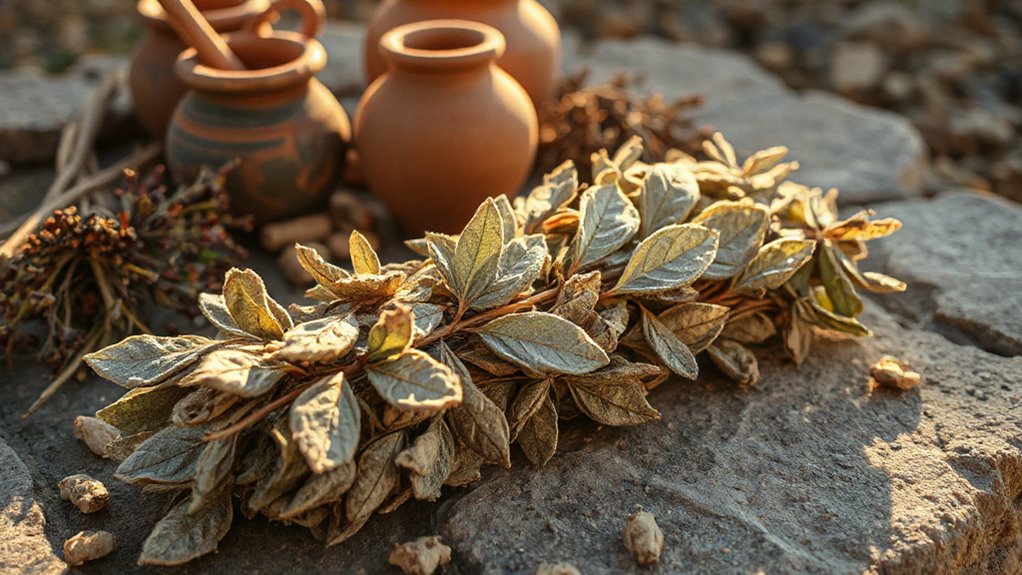
No. According to scholarly research and verse-by-verse analyses, sage does not appear in the Hebrew Bible, the Greek Septuagint, the Latin Vulgate or any Aramaic sources. Topical Bible indices list no entry for it.
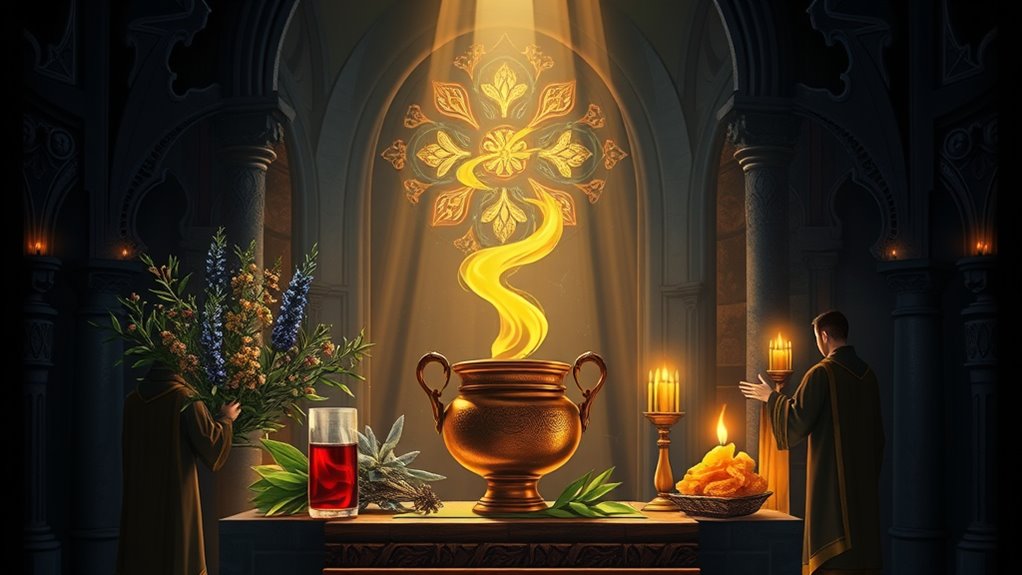
Exodus 30, which carefully documents the ingredients of priestly incense and anointing oil, omits sage entirely. Sage was known in the ancient Mediterranean world, but biblical authors never recorded it among temple spices, ritual plants or worship-related herbs.
Sage belongs to the genus Salvia, a member of the mint family Lamiaceae. It was valued for culinary, medicinal and aromatic uses throughout the ancient world, yet no biblical writer included it. In Latin, the word for sage is sapiens, a term tied to wisdom and knowledge in classical usage, but it has no direct biblical application to the herb.
The languages of the Bible help explain which plants were named. The Old Testament was written primarily in Hebrew, with portions in Aramaic, and the New Testament in Koine Greek.
What Does Sage Symbolize in a Biblical Context?
Although sage never appears by name in Scripture, its symbolic meaning draws attention from some writers. Four themes are commonly named: wisdom, purification, healing and spiritual courage. These threads are not explicitly biblical, but they echo broader scriptural values about plants as instruments of divine care and insight.
The Latin root of “sage” traces back to sapere, “to be wise,” which connects it to biblical calls for discernment. Proverbs 9:10 grounds that wisdom in reverence for God.
The fear of Yahweh is the beginning of wisdom. The knowledge of the Holy One is understanding.
Proverbs 9:10 (WEB)
The verse shows that in Scripture, wisdom begins with reverence for God rather than with any plant. Sage’s link to wisdom is therefore only a symbolic one.
The Latin root salvere links sage to salvation and healing, themes found in Ezekiel 47:12, where the leaves of the trees along the river serve for healing. Some traditions also associate sage with spiritual alertness and courage.
Aromatic herbs and spices were ingredients in the holy anointing oil described in Exodus 30:22-33, which reinforces the association between fragrant plants and consecration. Many Catholics may read such symbolism through approved translations like the NABRE, which is used in U.S. liturgy.
How Did Aromatic Herbs Like Sage Relate to Biblical Purification?
In the Hebrew Scriptures, aromatic herbs served spiritual purposes beyond their medicinal value. Hyssop appears most prominently, in Leviticus 14:4–7 and Numbers 19:18, as a plant used in blood-sprinkling and water-purification rituals. Cedar joined hyssop in cleansing ceremonies.
Psalm 51:7 uses hyssop as an image of inner cleansing.
Purify me with hyssop, and I will be clean. Wash me, and I will be whiter than snow.
Psalms 51:7 (WEB)
The psalmist asks God, not a ritual, to make him clean. The herb is only the picture of that renewal.
Sage is absent from these passages, though it shares aromatic properties with the named herbs. Some writers suggest ancient Near Eastern households used it in purification practices, and the Hebrew term marva is sometimes linked to sage. Such claims are interpretive rather than stated in Scripture.
Other fragrant substances also had ritual roles. Frankincense and myrrh, resins from the Burseraceae family, were prized as perfume, anointing oil and for embalming rituals. Hyssop’s role at Passover involved being dipped in blood and applied to doorposts to protect Hebrew houses from the final plague in Egypt.
A practical study approach, such as reading one chapter daily from a related book or gospel, can help you trace these themes and see purification practices in context.
Common Questions About Sage and the Bible
Which herb does the Bible use for cleansing instead of sage?
Hyssop is the herb most often named for cleansing. It appears in blood-sprinkling and water-purification rituals in Leviticus 14 and Numbers 19, and in Psalm 51:7.
Was sage part of the holy anointing oil?
No. Exodus 30 lists the ingredients of the anointing oil and incense, and sage is not among them.
Reading Sage Through Scripture
If you encounter sage in a spiritual or wellness setting, you can treat it as a cultural practice rather than a biblical one. For guidance on wisdom and cleansing, Scripture points to reverence for God and to the inner renewal the psalmist requests.