



The Bible presents gratitude as a deliberate, ongoing practice rather than a seasonal feeling. First Thessalonians 5:16–18 calls believers to give thanks “in all circumstances,” describing it as God’s will. Romans 1:21 identifies thanklessness as part of human rebellion. The Psalms frame thanksgiving as active worship through singing, proclamation, and even lifted hands. James 1:17 traces every good gift back to God. Those who explore further will find this theme running deeper than expected.
Key Takeaways
- The Bible commands gratitude as a continual spiritual discipline, not a seasonal feeling, calling it God’s will in Christ Jesus (1 Thessalonians 5:18).
- Thanksgiving is an act of worship directed toward God, expressed bodily and communally through singing, shouting, and public praise in the Psalms.
- Scripture grounds gratitude in God’s goodness, enduring love, and saving work, especially deliverance from sin and hardship.
- Believers are called to give thanks in all circumstances, even suffering, treating gratitude as obedience rather than mere emotion.
- Biblical thanksgiving moves outward from the heart into visible action, shaping every word and deed done in Christ’s name.
The Biblical Basis for a Life of Gratitude

The Bible presents gratitude not as an emotion to be felt when circumstances are favorable, but as a continuing command woven into the pattern of daily life.
First Thessalonians 5:16-18 links rejoicing, prayer, and thanksgiving together, describing thankfulness as God’s will in Christ Jesus.
James 1:17 grounds this further, teaching that every good and perfect gift comes from God, making gratitude a recognition of dependence rather than simply a polite response.
Romans 1:21 reinforces the weight of this by identifying thanklessness as part of human rebellion against God.
Gratitude, in the biblical framework, reflects rightly ordered worship.
It begins with acknowledging who God is, extends into daily conduct, and operates as a steady spiritual discipline rather than a seasonal or occasional practice. Consistent reading plans that focus on books like the Gospels help cultivate this ongoing habit over time.
Psalm 100:4 instructs believers to enter with thanksgiving, approaching God through his gates with praise and a grateful heart.
This call to gratitude spans from Genesis to Revelation, running through the Psalms and the writings of Paul as a broad and consistent biblical pattern.
Thanksgiving as Worship: What the Psalms Reveal
When the Psalms speak of thanksgiving, they treat it as an act of worship directed toward God rather than a private feeling kept to oneself. Psalm 100 calls “all the earth” to enter God’s presence with thanksgiving, grounding that response in God’s goodness and enduring love.
Thanksgiving in the Psalms is not a private feeling but an act of worship directed toward God.
Psalm 95 frames gratitude within a congregational summons to sing and worship together. Psalm 50 goes further, presenting thanksgiving as a sacrificial offering rather than a passive emotion. The Psalms’ communal focus echoes how the biblical text is organized into chapters and verses to aid public reading and proclamation, as seen in the Bible’s 1,189 chapters.
The Psalms also connect gratitude to God’s saving work. Psalms 30, 107, and 118 each give thanks following rescue and deliverance. Psalms of Thanksgiving also celebrate deliverance from sin, recognizing God’s forgiveness as a cause for profound gratitude.
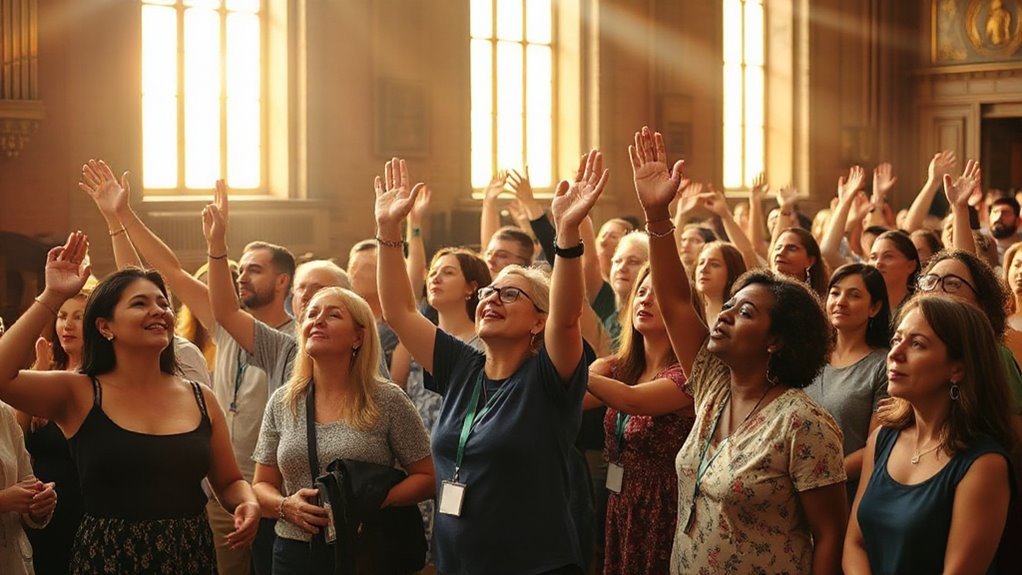
Throughout, thanksgiving appears embodied and communal, expressed through singing, shouting, bowing, and public proclamation, suggesting that gratitude, in the biblical view, finds its fullest form within gathered worship. Psalm 117 extends this call beyond Israel, summoning all nations and peoples to praise God for His enduring love and faithfulness.
Giving Thanks in Hard Times

Gratitude in difficult seasons, according to Scripture, is less about feeling good and more about choosing a posture of trust. First Thessalonians 5:16–18 instructs believers to give thanks in all circumstances, framing thankfulness as obedience rather than emotion.
Importantly, biblical thanksgiving does not require denying pain. Scripture allows grief and gratitude to coexist, directing thanks toward God’s character and presence rather than the hardship itself.
Romans 5:3–5 connects suffering with endurance, character, and hope, suggesting difficulty serves a larger purpose. Regular practice of prayer and honest expression helps thankfulness become a sustained posture even when answers are delayed and circumstances remain challenging, reflecting the value of consistent prayer.
Psalm 46:1 describes God as a present help in trouble, and Lamentations 3:22–23 points to fresh mercies each morning.
Philippians 4:6 pairs thanksgiving directly with prayer during anxiety, presenting gratitude as a discipline that sustains trust when circumstances remain difficult. The Psalms demonstrate that lament and praise can occupy the same prayer, with individual and communal cries of pain often concluding in thanksgiving rooted in God’s faithfulness.
First Peter 4:12–13 encourages believers not to be surprised by fiery trials, reminding them that sharing Christ’s sufferings is itself a reason to rejoice in anticipation of the glory to be revealed.
Gratitude That Moves From the Heart to the Hands

Scripture does not leave gratitude sitting quietly in the chest. Biblical thanksgiving moves outward, taking shape in words, postures, and actions directed toward God and others.
Biblical thanksgiving does not stay hidden. It moves outward, shaping words, postures, and actions toward God and others.
Psalm 134:2 pictures lifted hands in the sanctuary, showing that inward praise reaches for visible expression. Jesus gave thanks before meals, acknowledging God’s provision through ordinary habit.
Colossians 3:17 extends this pattern further, connecting gratitude to every word and deed done in Christ’s name.
Serving others, meeting practical needs, and declaring God’s goodness publicly all reflect this movement from feeling to action. Many Catholics find such service encouraged by reading a Catholic Bible that includes the deuterocanonical books.
First Thessalonians 5:18 frames continual thanksgiving as a regular practice, not a seasonal one.
The biblical picture is consistent: gratitude that stays internal remains incomplete; Scripture consistently joins the acknowledging heart to the responding hands. In Psalm 119:48, the psalmist lifts hands toward God’s commands with love, linking the outward gesture directly to devoted meditation on Scripture.
The Hebrew root behind “give thanks” carries the image of uplifted hands in open praise, pairing that physical gesture with an inward confession directed toward God.