


The Bible describes humility as a core virtue, not a sign of weakness. Proverbs 22:4 links it directly to honor and life, while James 4:6 states that God actively resists the proud but gives grace to the humble. Jesus himself modeled this quality by washing his disciples’ feet in John 13. Scripture consistently connects humility to blessing, wisdom, and closeness with God — themes explored more fully just ahead.
Key Takeaways
- True biblical humility means honestly recognizing your worth as God sees it, not tearing yourself down or practicing self-deprecation.
- James 4:6 teaches that God actively opposes the proud but generously gives grace to the humble.
- Jesus modeled humility by emptying Himself of divine privilege, serving others, and washing His disciples’ feet.
- Scripture promises that humility leads to real rewards, including riches, honor, life, and greatness in God’s kingdom.
- Daily humility practices include morning dependence on God, serving others, and transferring credit for successes back to God.
What Does the Bible Define as True Humility?

The Bible defines true humility not as self-deprecation, but as an honest recognition of one’s worth as God sees it. Scripture encourages believers to hold a balanced view — acknowledging sin while also accepting God’s love. This means avoiding the urge to tear down one’s self-worth, since every person is created in God’s image.
Through Christ’s sacrifice, believers are reminded they are deeply valued. The goal, according to biblical teaching, is to see oneself as God sees — neither prideful nor worthless.
True humility also involves a childlike trust in God, reflecting the attitude described in Matthew 18:4. It is marked by meekness and lowliness of mind — not as an outward performance, but as a genuine condition of the heart. In 1 Chronicles 17:16, David’s question of “Who am I…?” stands as a model of humility that believers are called to emulate.
Philippians 2:3-9 further captures this balance, calling believers to “count others more significant” than themselves — a posture modeled perfectly by Jesus, who humbled Himself to the point of death on a cross.
Why God Rewards Humility and Resists Pride

Throughout Scripture, a consistent pattern emerges: God resists the proud and rewards the humble. James 4:6 states plainly that God opposes the proud but gives grace to the humble. Proverbs 22:4 connects humility and fear of the Lord with riches, honor, and life. These are not minor incentives; they represent the fullness of what God intends for human flourishing.
Pride, by contrast, invites resistance. Arrogant hearts and haughty eyes rank among the things God hates most, and the proud are assured punishment. Proverbs 29:23 captures the contrast clearly: pride brings a person low, while a humble spirit gains honor.
The pattern suggests that humility is not passive weakness but an orientation that positions a person to receive what God willingly gives. Jesus himself demonstrated this, and Philippians 2:3-5 calls believers to imitate Christ’s attitude by considering others more important than themselves.
Humility also carries communal weight, as Colossians 3:12-14 instructs believers to put on compassion, kindness, and humbleness of mind alongside meekness and patience, binding all of these together with love as the bond of perfection.
How Jesus Modeled Humility in His Own Life
No figure in the New Testament modeled humility more completely than Jesus, whose life traced a consistent path of self-lowering from birth to death.
Though described in Philippians as existing in the form of God, he did not exploit that equality but instead emptied himself, taking the form of a servant. He was born in poverty, placed in a manger, with no room at the inn. During his ministry, he dined with social outcasts and touched lepers.
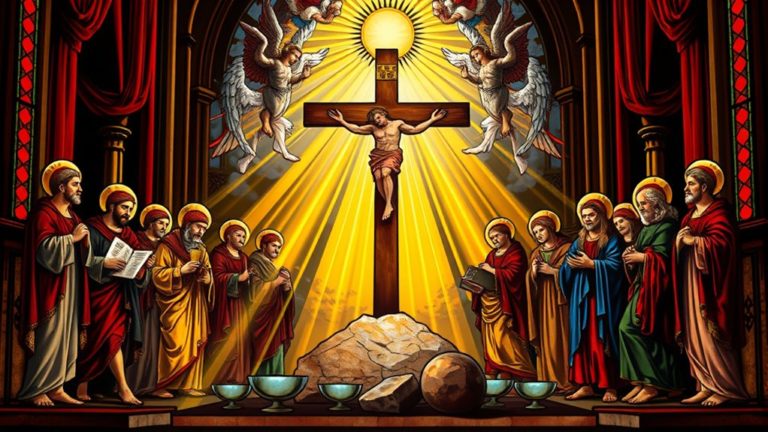
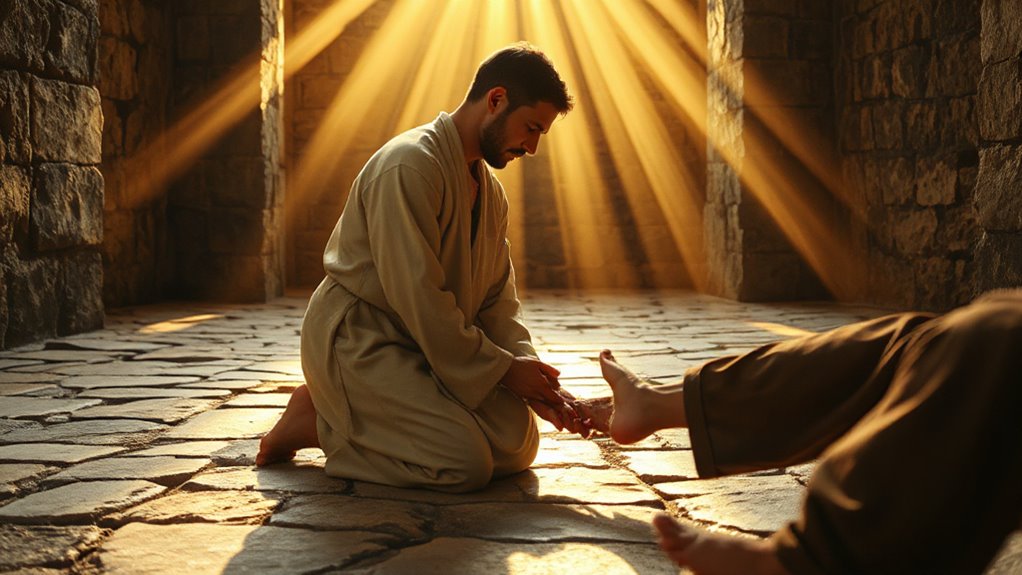
At the Last Supper, recorded in John 13:1–16, he laid aside his garments, tied a towel around himself, and washed his disciples’ feet, including those of Judas. He then chose death on the cross, the most shameful execution of his era, in complete obedience to the Father.
God responded to this ultimate act of self-emptying by highly exalting him and bestowing upon him the name above every name, so that every knee would bow and every tongue confess him as Lord. Even after his resurrection, his earthly ministry had been marked by a consistent rejection of worldly comfort, as he himself declared that the Son of Man has nowhere to lay his head.
What Rewards Does God Promise the Humble?

Jesus modeled humility through service and sacrifice, and Scripture suggests that such humility does not go unnoticed or unrewarded by God.
Several biblical texts outline specific promises tied to living humbly before God. Proverbs 22:4 names riches, honor, and life as rewards for humility combined with reverence for God. These rewards extend beyond material wealth to include spiritual abundance and eternal life. Psalm 149:4 adds that God crowns the humble with victory, even when temporary losses occur along the way.
James 4:6 notes that God actively shows favor to the humble while opposing the proud. Matthew 18:4 further promises that whoever humbles themselves like a child becomes greatest in the kingdom of heaven, suggesting that the highest honors belong to those least concerned with seeking them.
Proverbs 15:33 and 18:12 both affirm that humility precedes honor, reinforcing that humility comes before the exaltation God grants to those who walk in reverent submission to Him.
Pride, by contrast, is understood as the root of all sin, and its prevalence in the world makes the mother of sin a force that humility alone can effectively displace through dependence on God rather than human ability.
How to Practice Biblical Humility Every Day

From morning to night, the practice of biblical humility follows a recognizable daily rhythm.
Mornings begin with acknowledging dependence on God, reading Scripture, and asking for help to walk humbly. Commute time becomes an opportunity to memorize and meditate on Bible passages.
Throughout the day, interactions with others include looking for ways to serve, encourage, and identify evidences of grace in people around them. Criticism is invited rather than avoided.
Evenings involve transferring credit for successes to God, confessing sin, and giving thanks for specific people and circumstances. Before sleep, brief reading and Scripture meditation close the day. Thankfulness also marks the believer distinctly, serving as a daily reminder that ingratitude marks unbelief.
This consistent structure, drawn from practices rooted in passages like 1 Peter 5:5, shapes humility not as an occasional effort but as a daily discipline. A deeper understanding of humility is further strengthened through intentional study of the attributes of God as revealed in Scripture.