
The Bible neither bans alcohol nor endorses excessive drinking. Wine appears throughout Scripture in meals, celebrations, and worship, and Jesus himself turned water into wine at Cana. Proverbs, Galatians, and Ephesians warn clearly against drunkenness, linking it to poor judgment and spiritual harm. The dominant pattern is contextual moderation, not total prohibition. Those exploring what Scripture actually teaches about self-control, cultural context, and personal application will find the full picture worth examining.
Key Takeaways
- The Bible presents wine as a normal part of ancient life, appearing at meals, celebrations, and worship without automatic condemnation.
- Jesus’ first miracle was turning water into wine at Cana, signaling the arrival of God’s kingdom through his messiahship.
- Scripture consistently warns against drunkenness, listing it among sinful behaviors that exclude people from inheriting God’s kingdom.
- The dominant biblical posture is contextual moderation, not total prohibition, with drinking becoming sinful only when it leads to drunkenness.
- Those with prior misuse or family vulnerability are advised to abstain completely, while Romans 14 warns against normalizing drinking around at-risk believers.
What the Bible Actually Says About Wine and Drinking?
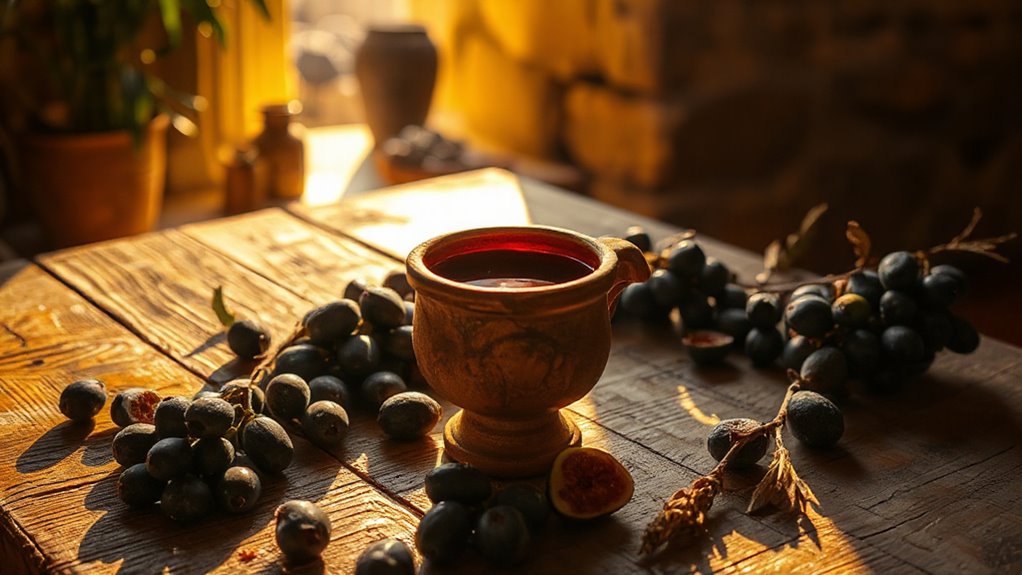
Understanding what the Bible actually says about wine requires setting aside assumptions and looking closely at the text itself. Scripture presents wine as a normal part of ancient Israelite life, appearing at meals, celebrations, and even Passover observances. The doctrine of the Trinity, while not about wine, shows how early Christians balanced continuity and distinctiveness in belief, which helps explain how Jesus could be both divine and present at cultural practices like drinking wine at meals.
Scripture presents wine as a normal part of ancient Israelite life, not a forbidden one.
Wine blessings appear throughout the Old Testament, where abundance of wine signaled divine favor and covenant faithfulness.
Proverbs acknowledges that moderation allowed wine a place within wise, responsible living. The New Testament continues this pattern, with Jesus using wine at the Last Supper as a covenant symbol, and Paul advising Timothy to drink a little wine for health.
The Bible neither condemns wine outright nor endorses careless use. Its treatment is consistently nuanced, acknowledging both the drink’s cultural place and the real dangers of misuse. Jesus transformed water into choice wine at Cana as his first recorded miracle, signaling the arrival of God’s kingdom through his messiahship.
Palestine and Syria were known for producing large quantities of excellent wine, and Moses’ spies famously returned carrying an oversized cluster of grapes on a pole as evidence of the land’s remarkable fertility.
Why Does the Bible Warn So Strongly Against Drunkenness?
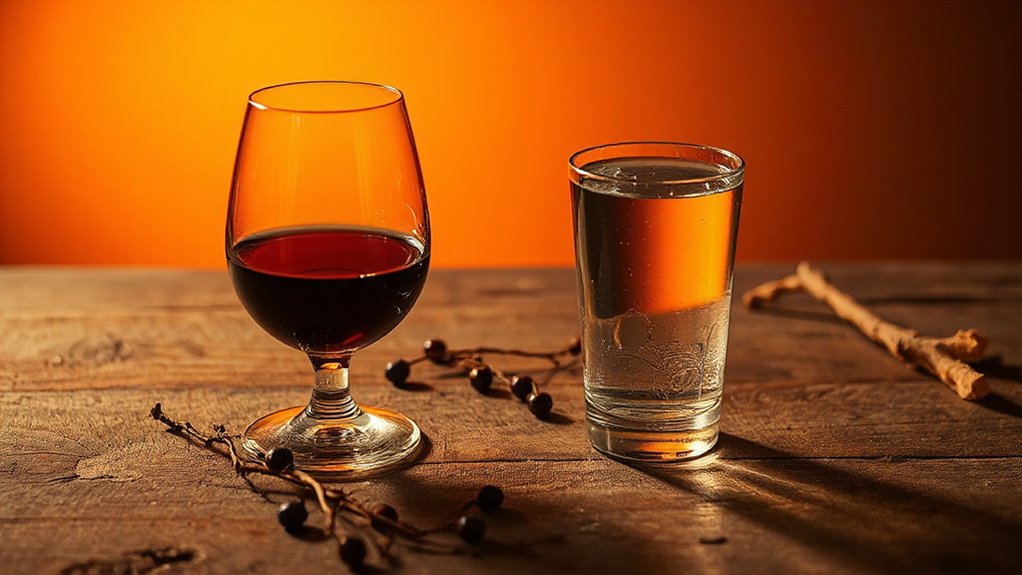
While the Bible treats wine as a normal and even blessed part of ancient life, it draws a sharp line at drunkenness, and the reasons given span moral, practical, and spiritual ground.
Proverbs 23:29–35 connects heavy drinking with physical suffering, confused speech, and poor judgment. The passage vividly warns that wine which swirls smoothly at first will ultimately bite like a serpent.
Galatians 5:19–21 lists drunkenness among the works of the flesh, and both Galatians 5:21 and 1 Corinthians 6:10 warn that drunkards will not inherit God’s kingdom. Many believers find guidance in practicing regular honest prayer.
Ephesians 5:18 frames the issue positively, urging spirit filling rather than wine.
Romans 13:13 places drunkenness alongside carousing and conflict, suggesting it erodes social peace.
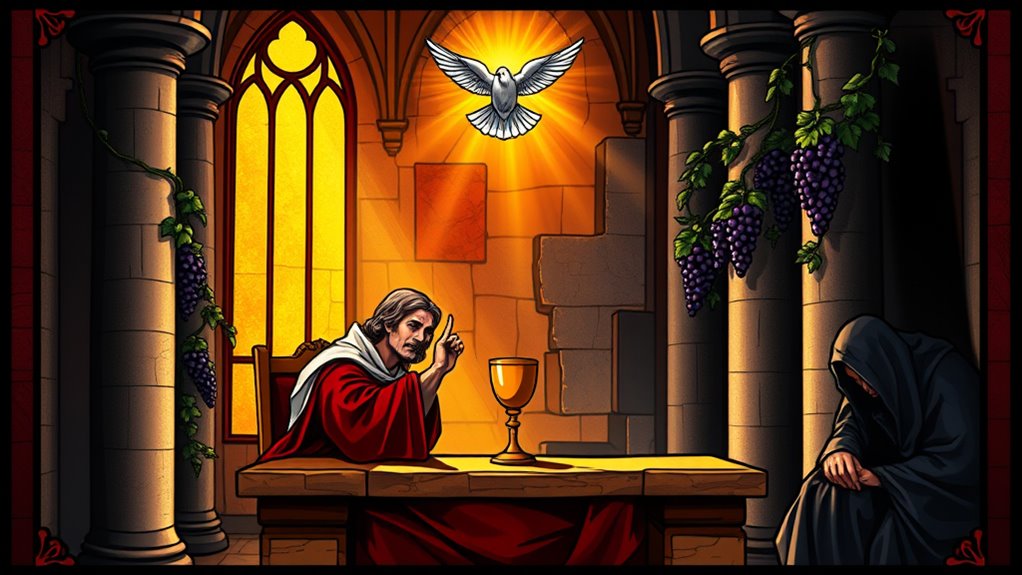
The Bible’s concern is not merely behavior but moral vigilance, spiritual readiness, and the capacity to remain clear-minded before God. 1 Peter 5:8 directly connects this clarity of mind to the need to remain watchful against a prowling adversary.
Is All Drinking Sinful, or Does the Bible Allow Moderation?
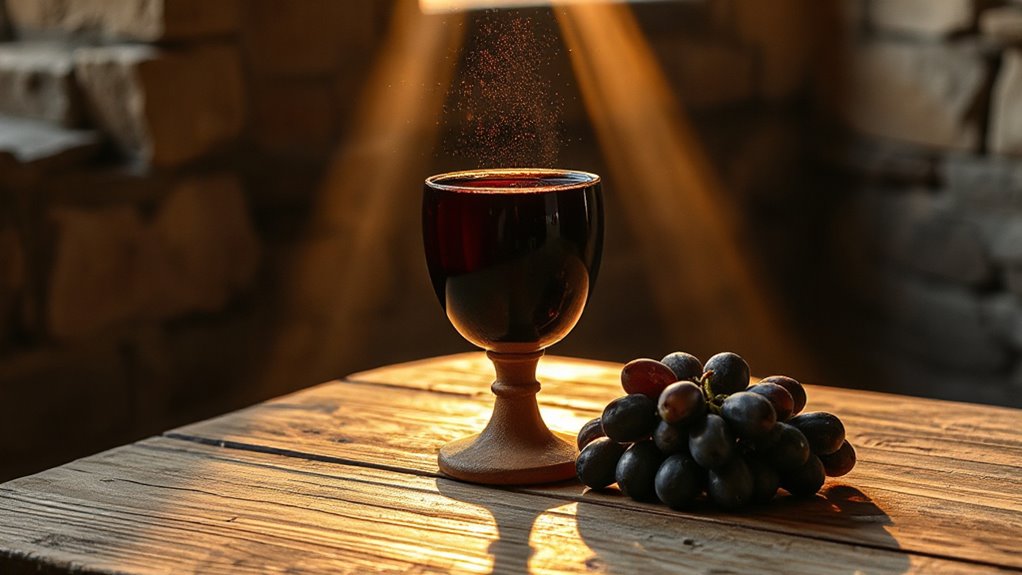
One of the more practical questions readers bring to the Bible is whether any amount of drinking crosses a moral line, and the text itself offers a fairly consistent answer. Scripture does not treat all drinking as sinful.
Passages like 1 Timothy 5:23, Ecclesiastes 9:7, and Deuteronomy 14:26 present wine in medical, celebratory, and even worship contexts. The pattern scholars identify is one of contextual moderation rather than total prohibition.
Drinking becomes a moral problem when it tips into drunkenness, which Ephesians 5:18 and Galatians 5:21 explicitly condemn. Biblical restraint, not abstinence, describes the dominant scriptural posture.
The Bible draws a clear distinction between the act of drinking and the loss of self-control that follows excess. Jesus’ first recorded miracle at the wedding in Cana involved producing copious amounts of wine, situating alcohol within a context of celebration rather than condemnation. Bible Gateway, a widely used resource for exploring such passages, is not currently available in the UK and EU while a new solution is being developed.
How Should You Apply the Bible’s Teaching on Alcohol Today?
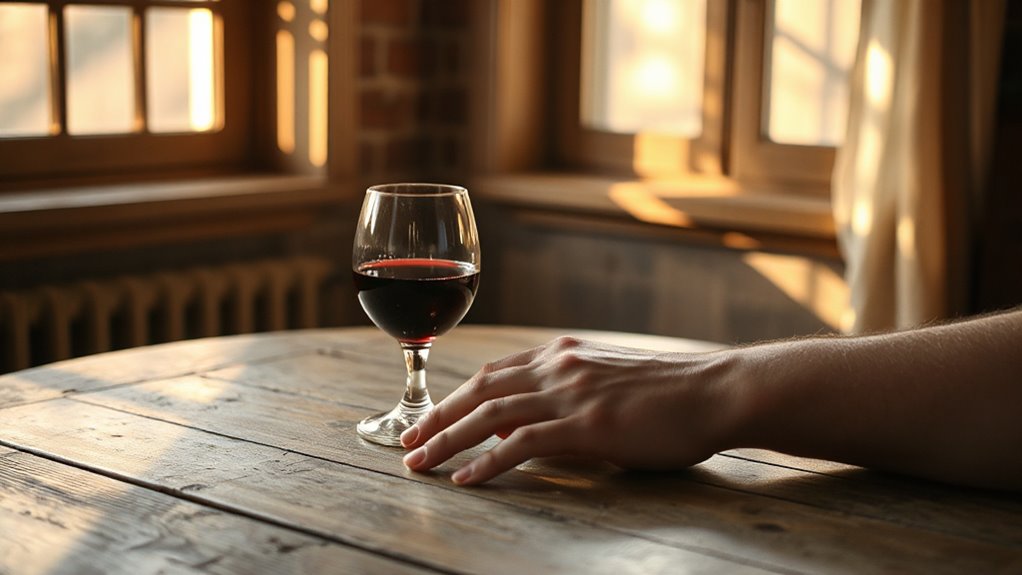
From the principles Scripture lays out, a practical framework for alcohol use today takes shape around one governing idea: self-control. Ephesians 5:18 and Proverbs 23 both warn that impaired judgment opens the door to further sin, making restraint a spiritual priority rather than a personal preference.
Bible-based guides often recommend that believers set limits beforehand, well before impairment begins to cloud decision-making. Those with prior misuse or family vulnerability are generally advised to abstain completely. Many Christians also consider historical and theological perspectives on temperance when forming personal convictions, including views from Christian denominations.
Romans 14 adds another layer, urging Christians to protect weaker believers by refusing to normalize drinking around those in recovery or at risk.
The body, treated as God’s temple, also shapes the decision. Alcohol should never replace spiritual coping or become the defining habit of a Christian’s daily life.
Drunkenness is explicitly listed among the works of the flesh in Galatians 5:21, underscoring that habitual overindulgence is not merely a personal failing but a spiritual one with eternal consequences. Proverbs 20:1 warns that wine is a mocker and strong drink a brawler, and those led astray by alcohol are declared unwise.