



Historians remain divided over whether Jesus explicitly claimed divinity, with the Gospel of John recording direct statements like “Before Abraham was, I am” (John 8:58) while the three Synoptic Gospels lack such clear declarations. Scholars note that Matthew, Mark, and Luke instead emphasize Jesus’ implicit assertions of divine authority through acts like forgiving sins and accepting worship, behaviors reserved for God in Jewish tradition. The debate centers on whether these differences reflect Jesus’ actual words or later theological development, a question that continues to generate careful scholarly analysis of ancient texts and contexts.
Whether Jesus of Nazareth explicitly claimed to be God remains one of the most debated questions in New Testament scholarship, with implications that extend far beyond academic circles into the faith commitments of billions of believers worldwide. This question interacts with larger theological issues such as God’s nature and the implications of divine forgiveness for Christian identity. The central tension lies in comparing the Synoptic Gospels—Matthew, Mark, and Luke—with the Gospel of John, which offers strikingly different portraits of Jesus’ self-understanding.
The Synoptic accounts lack explicit first-person declarations such as “I am God,” a fact that leads some historians to argue the historical Jesus made no overt claim to deity. In contrast, John’s Gospel contains multiple passages where Jesus appears to identify himself directly with God, including the statement “Before Abraham was, I am” in John 8:58 and “I and the Father are one” in John 10:30. These texts use language that ancient readers would have recognized as divine self-identification, and within the narrative itself, they provoke charges of blasphemy.
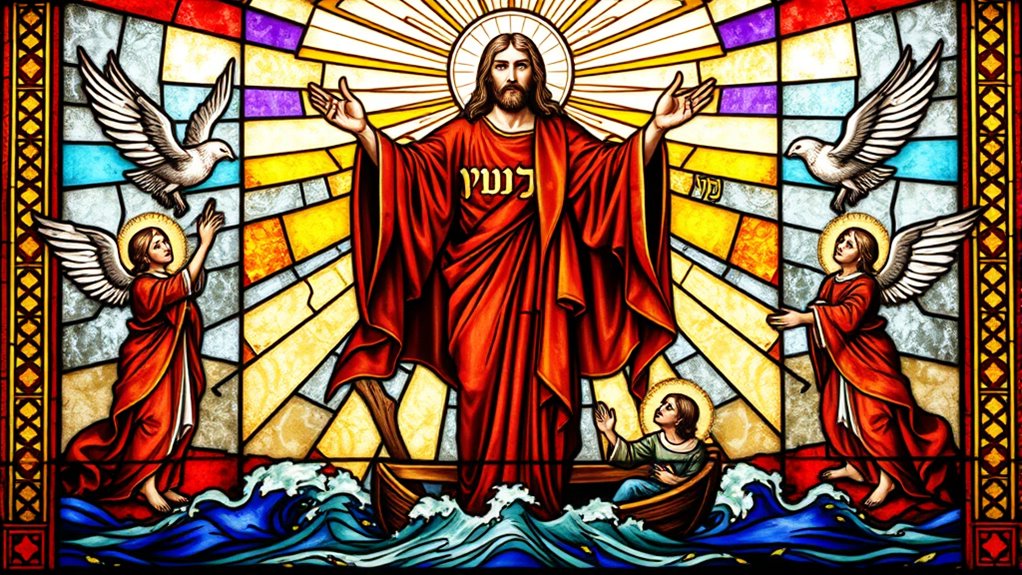
The numerical argument—three Synoptics versus one Johannine account—has traditionally weighted scholarly opinion toward skepticism about explicit divine claims. However, a revisionist trend now recognizes that the Synoptics contain implicit assertions of divine status. Jesus’ authority to forgive sins in Mark 2:5–12, for instance, represents a prerogative traditionally reserved for God alone. His use of “Son of Man” imagery, drawn from the apocalyptic visions in Daniel, could signal eschatological authority that first-century Jewish audiences might interpret as divine. When Jesus walked on water in Mark 6:45-51, he used the phrase “ego eimi,” which parallels the divine name “I Am” from Exodus 3:14, signifying divine self-identification.
Methodological challenges complicate the picture further. Gospel genres differ in theological aim, and dating debates affect whether Johannine sayings reflect Jesus’ own words or later community theology. Scholars caution that first-century Jewish titles like Messiah carried ambiguous meanings that do not automatically equate to claims of divinity.
Early non-Christian sources such as Tacitus and Josephus confirm Jesus’ historical existence and crucifixion under Pontius Pilate but remain silent on questions of self-claimed deity. Beyond historical writings, the Gospel accounts record that Jesus was worshiped by disciples in the boat after he calmed the storm, an act of reverence typically reserved only for God in Jewish tradition. The debate ultimately requires careful source-critical analysis, balancing literary context with historical plausibility, and leaves room for ongoing scholarly dialogue about what the earliest evidence truly reveals.