




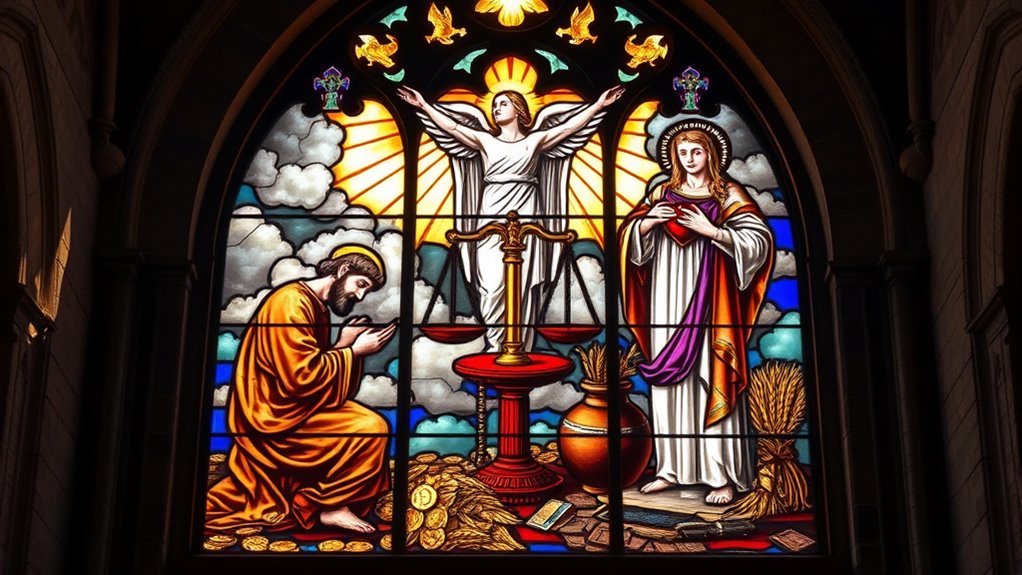

Prayer to God requires no special training or perfect words, simply honest communication with the Creator. Beginners can start by finding a quiet space, addressing God directly as “Father,” and including elements like praise, confession, thanksgiving, and personal requests. Regular practice at consistent times helps develop natural conversation, while Scripture passages from Psalms can provide inspiration and language models. The Holy Spirit assists when words feel inadequate, and patience allows prayer to evolve naturally over time, with deeper understanding emerging through continued practice.

How does one begin a meaningful conversation with the divine? Prayer experts suggest establishing consistent practices that create space for genuine communication with God, much like developing any meaningful relationship through regular interaction. Beginners can also combine prayer with regular Bible study using methods like observation-interpretation-application to deepen understanding and response.
The foundation begins with practical preparation. Choosing a specific time and quiet location helps build sustainable habits, whether morning, midday, or evening works best. Physical posture matters less than mental focus—kneeling, sitting, or walking all serve equally well when they aid concentration.
Beginning with direct address using names like “Father” or “Heavenly Father” personalizes the experience and acknowledges God’s character.
Many beginners find structure helpful when starting prayer conversations. Reading Scripture passages first, particularly from Psalms, provides both inspiration and model language when personal words feel inadequate.
Centering prayer—quiet reflection on God’s presence without immediate requests—offers another entry point that requires no special vocabulary or training.
Effective prayer typically incorporates several components that mirror healthy human relationships. Praise acknowledges God’s nature and character, while confession maintains honesty about personal shortcomings.
Thanksgiving recognizes specific blessings, and supplication presents both personal needs and concerns for others. Submission aligns requests with God’s will rather than demanding particular outcomes.
Different prayer styles accommodate various personalities and circumstances. Scheduled prayer follows biblical examples like Daniel’s three-daily practice, while conversational prayer treats God as a trusted friend in informal dialogue.
Group prayer gatherings provide communal strength, as referenced in Matthew 18:20, where collective spiritual focus amplifies individual efforts.
Common challenges include initial awkwardness, managing distractions, and handling seemingly unanswered prayers. Creating focused environments by turning off phones or finding quiet spaces helps maintain concentration. Prayer offers instant access to God’s love and understanding, addressing the deep human need to be truly known by our Creator. The Holy Spirit assists believers during prayer, especially when words fail to express deeper spiritual needs and longings.
Understanding that God’s responses may differ from human expectations requires patience and trust in divine timing and wisdom.
The most effective approach combines reverence with authentic communication. Prayer develops like any relationship—through consistent practice, honest expression, and patient persistence.
Rather than perfect words or elaborate rituals, prayer thrives on sincere intention and regular attention. Over time, what begins as structured practice often evolves into natural conversation that strengthens spiritual connection and provides guidance for daily decisions.
Frequently Asked Questions
What if I Don’t Feel God Responding to My Prayers?
When someone feels God isn’t responding to their prayers, this experience is common among believers. Research shows 85% accept unanswered prayers as part of God’s plan, while 73% believe responses may not align with personal desires.
Prayer continues to provide emotional benefits like reduced anxiety for 45% of users. Responses might manifest indirectly or require patience, with 87% reporting at least one answered prayer annually.
Is It Okay to Pray for Material Things Like Money or Possessions?
Praying for material needs is generally acceptable across major faiths, though religious traditions emphasize balance. Christianity, Judaism, and Islam acknowledge legitimate requests for sustenance while warning against idolizing wealth.
The key lies in maintaining proper perspective—viewing possessions as tools for stewardship rather than ultimate goals. Prayers for money should accompany willingness to give generously and prioritize spiritual growth over accumulation of riches.
Can I Pray in My Native Language if It’s Not English?
Praying in one’s native language is widely accepted and often encouraged across many religious traditions. Most faith communities recognize that native languages can create deeper emotional connections and more authentic expressions of spirituality.
Conservative Judaism, for example, permits prayers in any language while emphasizing respect for meaning.
Many indigenous and cultural groups have historically used their mother tongues in prayer as acts of cultural preservation and spiritual authenticity.
How Long Should I Wait Before Expecting an Answer to Prayer?
Prayer answers don’t follow a standard timeline, according to research on prayer practices. About 87% of Americans who pray report seeing at least one answer within a year, though timing varies widely.
Many believers view unanswered prayers as part of divine timing rather than delays. Trust-based patience, rather than expecting immediate responses, tends to correlate with higher satisfaction and continued prayer practice over time.
Is It Wrong to Pray When I’m Angry or Upset With God?
It is not wrong to pray when angry or upset with God, though the approach matters. Biblical figures like David expressed frustration honestly in prayer, as seen in Psalm 13.
Theologians suggest directing anger at circumstances rather than God’s character, maintaining respect while being truthful.
Prayer can actually help process emotions constructively, inviting the Holy Spirit to transform anger into understanding and peace through honest communication.