

On January 15, 2026, Pope Leo XIV announced the reestablishment of Rome’s seven suburbicarian dioceses as active pastoral assignments, converting what had been honorary cardinal positions into working bishoprics serving 2.8 million Catholics across the metropolitan area. The reform, which references governance structures dormant since 1870, has drawn praise from supporters who view it as consistent with early Church practices and synodality, while critics question the administrative complexity of restructuring existing parish systems. Implementation will unfold gradually over eighteen months, with first appointments expected by Easter 2026 and detailed guidelines forthcoming in March, offering fuller context on this significant ecclesial reorganization.
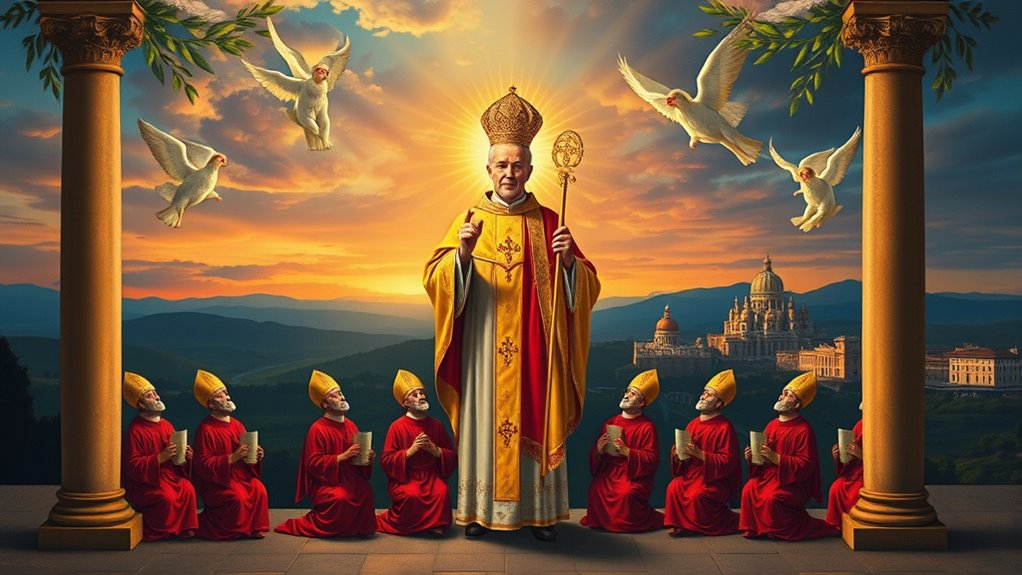
Pope Leo XIV announced on January 15, 2026, the reestablishment of Rome’s traditional episcopal hierarchy, a move that returns governance of the Eternal City to a structure dormant since 1870. The decision reinstates seven suburbicarian dioceses that historically surrounded Rome, each to be led by a cardinal bishop who will oversee pastoral and administrative responsibilities previously consolidated under the Vicariate of Rome.
The restructuring affects approximately 2.8 million Catholics across the metropolitan area. Cardinal bishops will now govern Ostia, Porto-Santa Rufina, Albano, Frascati, Palestrina, Sabina-Poggio Mirteto, and Velletri-Segni as active dioceses rather than titular assignments.
Vatican officials indicated the change aims to distribute episcopal authority more effectively and restore practices from the early Church, a period Pope Leo XIV frequently references in his preaching.
The announcement drew mixed responses from Catholic leadership worldwide. Supporters praised the decision as consistent with the pope’s emphasis on synodality and local church governance, noting that decentralization could strengthen pastoral care in Rome’s sprawling suburbs. Archbishop Thomas Brennan of Chicago, speaking to reporters on January 17, called the reform “a thoughtful return to ecclesial foundations that honors both tradition and practical needs.”
Critics questioned the timing and necessity of the restructuring. Several Italian bishops expressed concern about administrative complexity and potential overlap with existing parish structures. Canon law experts noted that implementing the change would require updating numerous Vatican procedures and potentially relocating personnel from the current vicariate system.
Pope Leo XIV’s background as prefect of the Dicastery for Bishops from 2023 to 2025 informed his approach to the reform. During that tenure, he evaluated episcopal candidates globally and developed expertise in diocesan administration. His choice of the papal name Leo XIV referenced Pope Leo XIII’s Rerum Novarum, which addressed institutional structures during the industrial revolution, suggesting institutional reform remains central to his pontificate.
The first appointments to the restored dioceses are expected by Easter 2026. Implementation will proceed gradually over eighteen months, allowing parishes and administrative offices to adjust. Vatican spokesman Father Giulio Marchetti confirmed that detailed guidelines would be published in March 2026.
The move was also presented by Vatican communicators as a way to encourage communal worship practices rooted in both private devotion and corporate ecclesial life.