
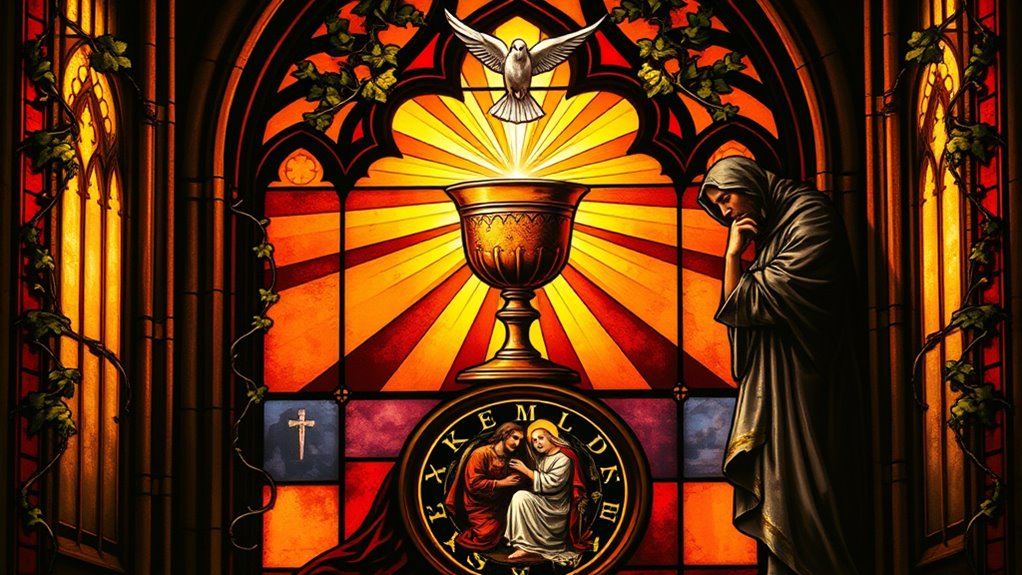
The Bible draws a clear line between drinking alcohol and becoming drunk. Moderate drinking is treated as permissible, while drunkenness is consistently identified as sinful. Proverbs 20:1 calls wine “a mocker,” and Galatians 5:19–21 lists drunkenness among the works of the flesh. Ephesians 5:18 instructs believers to seek the Spirit rather than excess wine. The governing concern throughout Scripture is self-control, and there is much more to unpack on where exactly that line falls.
Key Takeaways
- The Bible consistently condemns drunkenness as sinful, listing it among the “works of the flesh” in Galatians 5:19–21 alongside other serious moral failures.
- Proverbs 23:29–35 vividly warns that lingering over alcohol leads to sorrow, physical harm, and severely impaired judgment.
- Ephesians 5:18 directly contrasts drunkenness with being Spirit-filled, framing intoxication as spiritually incompatible with Christian living.
- The Bible distinguishes between drinking alcohol and becoming drunk; moderate consumption is generally permissible, but drunkenness crosses a clear moral line.
- Church leaders are held to a stricter standard, with 1 Timothy 3:2–3 and Titus 1:7 requiring complete freedom from drunkenness.
The Bible’s Clear Position on Drunkenness
When the Bible addresses alcohol, it draws a meaningful line between drinking and becoming drunk. Drunkenness, not alcohol itself, is consistently identified as the problem.
The Bible distinguishes between drinking and drunkenness — one is permissible, the other is the problem.
Scripture treats intoxication as a loss of self-control, connecting it with impaired judgment, moral disorder, and spiritual harm. Moderate use is generally presented as permissible, while excess is treated as sinful.
Biblical teaching frames drunkenness as incompatible with Christian virtues including sobriety, wisdom, and righteousness. The concern extends beyond personal behavior, touching on how intoxication affects relationships, public witness, and long-term spiritual health.
Rather than outlining a rigid prohibition on all drinking, the Bible emphasizes restraint and responsible conduct. The governing standard, drawn consistently across its moral teaching, is avoiding intoxication and preserving clear-headed self-control. Drunkards and gluttons become poor, as Proverbs warns, linking excess not only to spiritual failure but to practical ruin.
Galatians 5:19-21 lists drunkenness explicitly among the works of the flesh, placing it alongside other behaviors Scripture identifies as contrary to a life directed by God. Ancient scriptural language and cultural context also inform how passages about wine and excess are understood, supporting a reading that distinguishes moderate use from drunkenness.
Bible Verses That Directly Condemn Getting Drunk
That general framework—drunkenness as sinful, moderation as the standard—finds direct support in specific Bible passages that name and condemn intoxication in plain terms.
Proverbs 20:1 calls wine “a mocker” and warns that those led astray by it lack wisdom. Proverbs 23:29–35 describes sorrow, physical harm, and impaired judgment as consequences of lingering over drink. Isaiah 5:11–12 pronounces “woe” on those who pursue strong drink morning and night, connecting it with spiritual neglect. Aramaic was the everyday language of Jesus’ time, so many of these Old Testament teachings would have been discussed in Aramaic in common conversation and instruction.
In the New Testament, Galatians 5:19–21 lists drunkenness among the works of the flesh, warning it excludes people from God’s kingdom. Ephesians 5:18, Romans 13:13, 1 Peter 4:3, and 1 Corinthians 6:10 reinforce that position, treating intoxication as a serious moral failure rather than a minor lapse. Ephesians 5:18 also draws a direct contrast, urging believers to be filled with the Spirit rather than turning to wine. The Bible also holds leaders to a higher standard, with passages like 1 Timothy 3:2–3 and Titus 1:7 explicitly requiring that overseers and church leaders be free from drunkenness as a condition of their calling.
Drunk vs. Drinking: Where the Bible Draws the Line
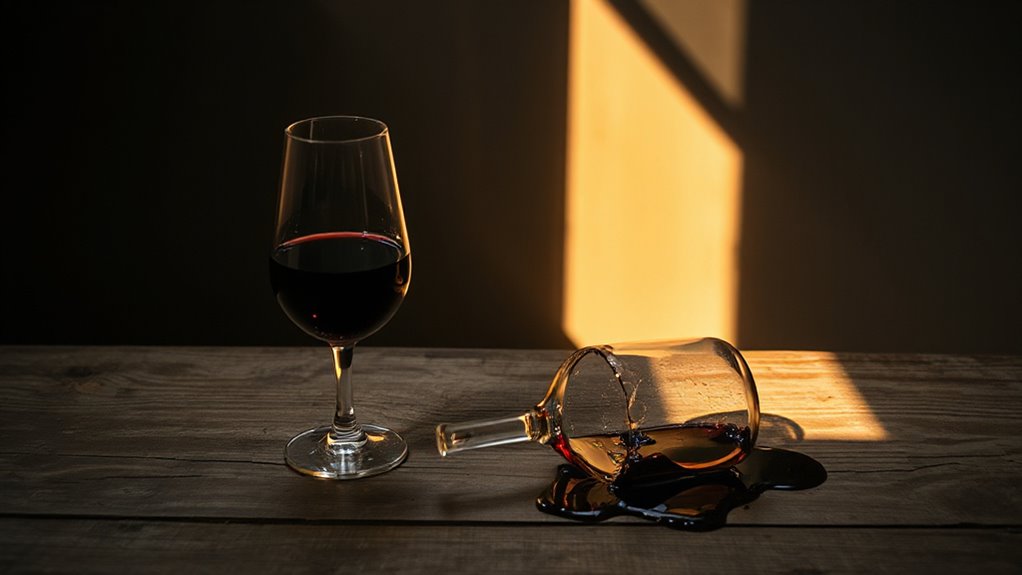
One of the clearest distinctions the Bible draws is between drinking alcohol and becoming drunk. Scripture presents wine as a normal part of meals, hospitality, and celebration without attaching sin to the act of drinking itself. Regular, honest practice of prayer and seeking wisdom can help believers make sober, discerning choices about consumption and self-control.
The moral concern appears when drinking moves into excess. Moderation functions as the practical boundary, with self-control identified as the governing virtue. Scripture suggests cultivating self-control through ongoing spiritual disciplines to resist excess.
Proverbs and New Testament letters both warn against drunkenness while stopping short of condemning all consumption. The line is crossed when alcohol produces impaired judgment, reduced restraint, or repeated excess. Addiction and behavior leading to shame also fall on the wrong side of that boundary.
The biblical pattern, taken as a whole, urges discernment rather than total prohibition, treating drunkenness as the violation rather than drinking itself. Ephesians 5:18 directly contrasts getting drunk with wine against living under Spirit-led control, framing intoxication as debauchery rather than a matter of personal preference.
Jesus himself participated in this culture, as demonstrated when he turned water into wine at the wedding in Cana, confirming that drinking was not inherently considered sinful but rather a natural part of human celebration.