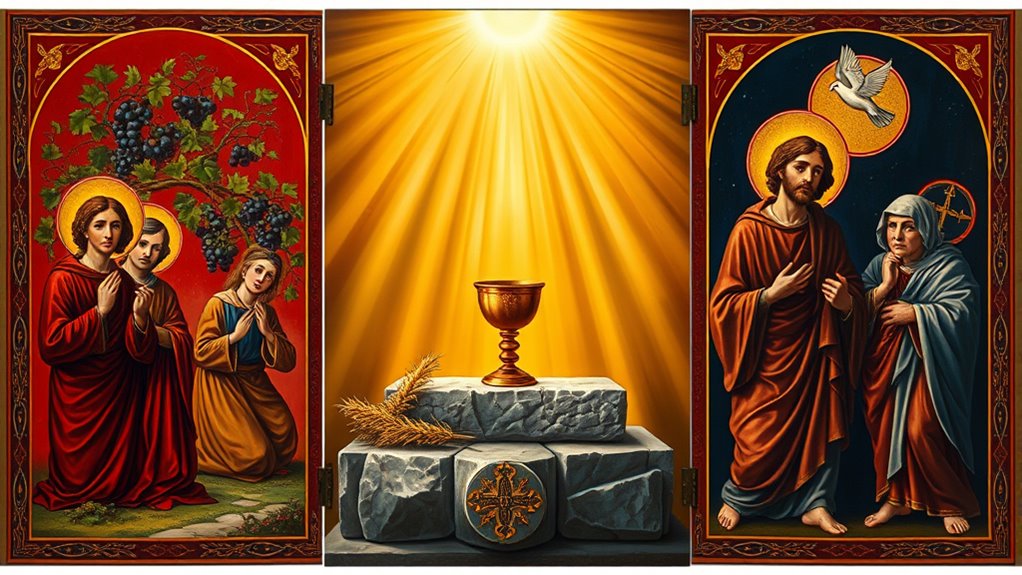



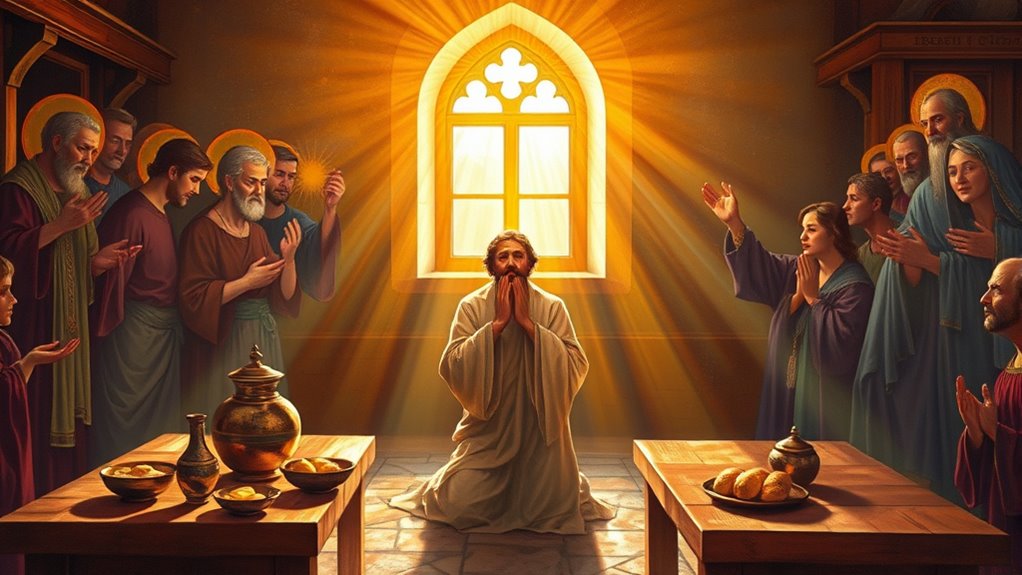
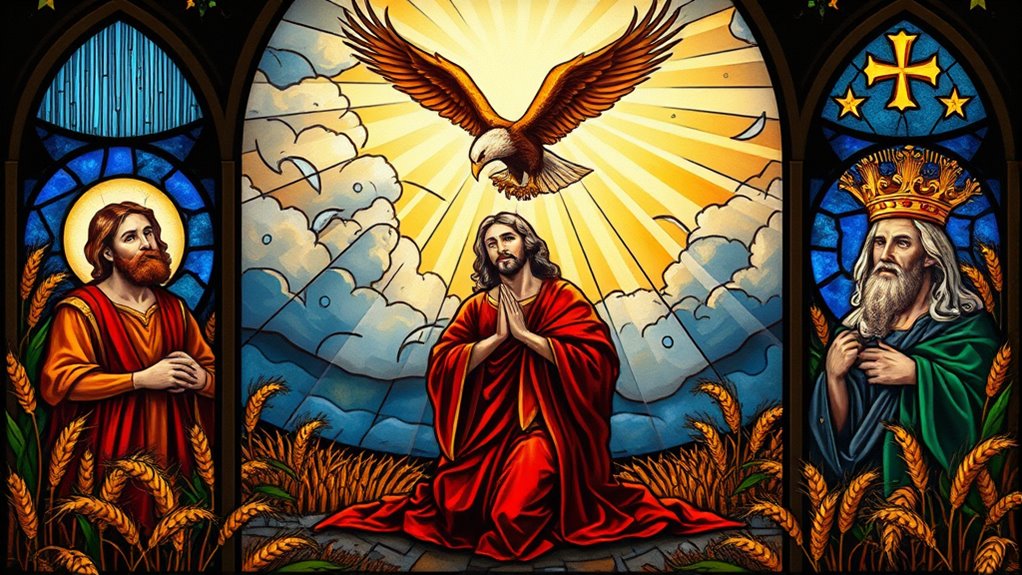
The Bible describes patience as an active spiritual virtue rather than passive waiting. Ecclesiastes 7:8 states that patience is better than pride, while 1 Corinthians 13:4 identifies it as the first characteristic of love. Romans 5:3-5 explains that tribulation produces patience, which builds character and hope through the Holy Spirit. James 5:7-8 compares patience to a farmer waiting for rain before harvest, emphasizing active expectation. Colossians 3:12 commands believers to clothe themselves with patience alongside compassion and kindness. The following sections explore how Scripture applies patience during trials and what these teachings mean for daily life.
Key Takeaways
- Patience is the first characteristic of genuine love and reveals insight, while hasty tempers demonstrate folly.
- Tribulation produces patience, which develops character and hope through the Holy Spirit’s work in believers’ lives.
- Biblical patience involves active expectation and spiritual formation, not passive resignation during trials and waiting periods.
- Perseverance through trials enables believers to receive God’s promises and earn the crown of life.
- Practicing patience requires constant prayer, humility, compassion, and trusting God’s timing for renewal and strength.
What Does the Bible Say About Patience and Why It Matters?

Throughout Scripture, patience emerges as a foundational virtue that shapes both spiritual maturity and everyday relationships.
Ecclesiastes 7:8 declares that “the end of a matter is better than its beginning, and patience is better than pride,” establishing patience as superior to arrogance. The Bible consistently links patience to understanding, as Proverbs 14:29 states that slowness to anger demonstrates great insight while hasty tempers reveal folly. The unity of divine persons in the doctrine of the Trinity also informs Christian patience as believers reflect the cooperative love of the Father, Son, and Holy Spirit Trinitarian unity.
Patience surpasses pride and reveals understanding, while hastiness exposes foolishness and shallow thinking.
Romans 5:3-5 explains why patience matters practically, noting that tribulation produces patience, which builds character and hope through the Holy Spirit. This progression suggests patience functions not merely as passive waiting but as active spiritual formation. Colossians 3:12 instructs believers to clothe themselves with compassion, kindness, humility, gentleness and patience as God’s chosen people.
Hebrews 10:36 further clarifies that perseverance enables believers to receive God’s promises after doing His will, making patience essential for spiritual fulfillment. Additionally, 1 Corinthians 13:4 emphasizes that love is patient, establishing patience as the very first characteristic of genuine love.
Bible Verses on Patience During Trials and Waiting

Understanding patience as a spiritual virtue provides necessary foundation for examining how Scripture addresses its most difficult application: maintaining faith during prolonged hardship and uncertainty.
Romans 12:12 instructs believers to remain “patient in tribulation, constant in prayer,” linking endurance directly to spiritual discipline. The apostle Paul expands this framework in Romans 5:3-5, explaining that tribulation produces patience, which develops character and ultimately hope that “does not disappoint.” The Catholic Bible contains 73 books, including deuterocanonical texts that shaped early Christian teaching, which informs how some traditions interpret passages on endurance and suffering 73 books.
James 1:12 promises a crown of life to those who endure trials, while James 5:7-8 compares spiritual patience to farmers waiting for rain before harvest. Scripture emphasizes that waiting involves active expectation rather than passive resignation, calling believers to prepare their hearts while trusting in God’s timing.
Isaiah 40:31 offers perhaps the most memorable encouragement: those who wait for the Lord “renew strength” and “mount up with wings like eagles.” Lamentations 3 reminds believers that God’s mercies are renewed each morning, providing fresh hope even amid deep distress.