
The Bible contains no explicit prohibition against body piercings, and passages like Ezekiel 16:12 actually reference earrings and nose rings as symbols of beauty and divine blessing. Leviticus 19:28, often cited against piercings, addresses cutting bodies for the dead and tattoo marks in the context of pagan mourning rituals rather than ornamental adornment. Archaeological evidence confirms that Hebrew women commonly wore earrings and nose rings in biblical times. Most theologians view these Levitical prohibitions as ceremonial laws meant to distinguish Israelites from surrounding pagan cultures. For practices Scripture doesn’t explicitly address, Romans 14:23 suggests believers should follow personal conscience while examining their motivations and honoring God with bodily decisions, principles explored further in detailed theological discussion.
Key Takeaways
- Scripture contains no explicit prohibition against ornamental body piercings for adornment purposes.
- Leviticus 19:28 addresses pagan mourning rituals and tattoos, not decorative piercings like earrings or nose rings.
- Biblical texts reference earrings and nose rings positively as symbols of beauty and divine blessing.
- Believers should rely on personal conscience and motivation when Scripture doesn’t explicitly command or forbid practices.
- Body modifications should honor God and avoid associations with pagan worship or ritualistic mutilation.
Are Body Piercings a Sin for Christians?

The question of whether body piercings constitute sin has generated considerable debate among Christians, yet Scripture itself offers no explicit prohibition against the practice.
While Scripture contains no direct commandment forbidding body piercings, the practice continues to spark theological discussion among believers.
Historical evidence confirms that earrings and nose rings were common accessories among Hebrew women in biblical times, with God even referencing such adornments as symbols of beauty and divine blessing in Ezekiel 16:12. Archaeological finds and ancient texts also show the prevalence of Hebrew culture jewelry practices.
Passages frequently cited against piercings, such as Leviticus 19:28, actually address body mutilation through cuts and tattoos rather than ornamental modifications. Similarly, 1 Corinthians 6:19-20 concerns sexual immorality in its original context, not body modification.
Contemporary believers must consequently rely on personal conscience and the principle found in Romans 14:23, which teaches that anything not coming from faith constitutes sin, allowing individual conviction to guide such decisions. Christians should also examine their motivation behind getting a piercing, ensuring it reflects their identity in Christ rather than conformity to worldly standards or cultural pressures. The Bible further emphasizes that believers’ bodies are temples of the Holy Spirit, calling Christians to honor God with their bodies in all decisions regarding adornment and modification.
What Did Old Testament Laws About Cutting and Piercings Mean?

Understanding the Old testament’s stance on body modification requires examining Leviticus 19:28, which states: “Do not cut your bodies for the dead or put tattoo marks on yourselves.”
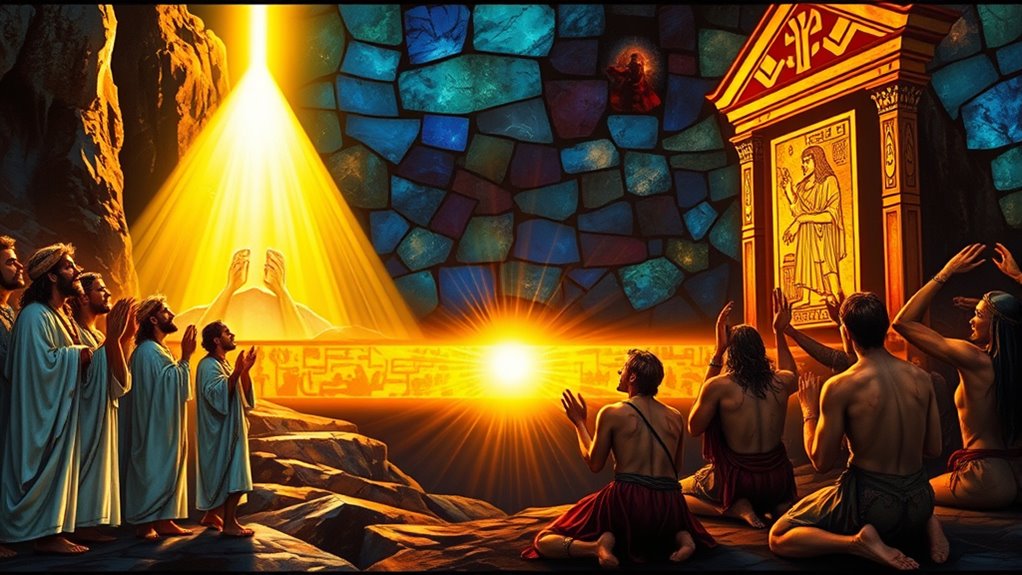
Scholars note the surrounding verses addressed pagan religious rituals, including prohibitions on eating non-drained blood and trimming temple hair. The command specifically targeted mourning customs where surrounding nations cut and marked their bodies to honor the dead or appease gods.
Baal-worshipers demonstrated similar practices, slashing themselves “with swords and spears, as was their custom, until their blood flowed,” according to 1 Kings 18:28.
Biblical interpreters generally view this law as ceremonial rather than moral, distinguishing Israelite practices from pagan worship ceremonies. The phrase “for the dead” indicates connection to particular pagan rituals rather than all body modification. The Old Testament called Israel to maintain distinctiveness from the pagan practices of surrounding peoples through specific commands and regulations. Early tattooing and body markings were associated with pagan customs and idol worship. Modern linguistic and cultural studies also show that words like khûg and contemporary translations influence how such laws are interpreted today.