



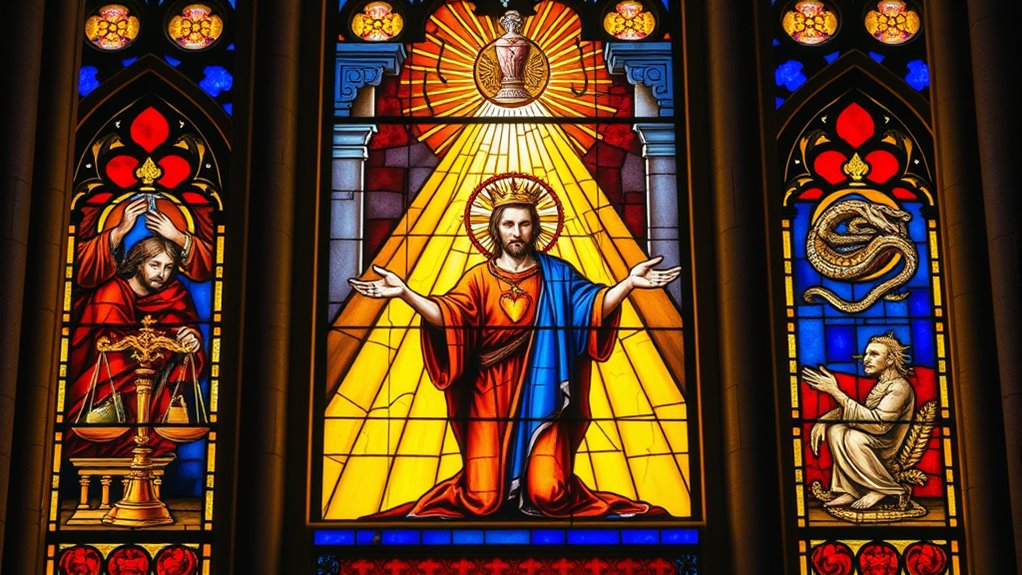
The Bible does not dedicate entire books to physical fitness, but several passages address how believers should care for their bodies. First Corinthians 6:19–20 describes the body as a temple of the Holy Spirit, connecting physical care to honoring God. First Timothy 4:8 acknowledges that physical training holds real value, while Romans 12:1 frames bodily care as an act of worship. The passages ahead explore what that framework actually looks like in practice.
Key Takeaways
- The body is a temple of the Holy Spirit, making physical care an act of honoring God, not vanity (1 Corinthians 6:19–20).
- Physical training holds real but limited value, ranked below godliness in eternal significance (1 Timothy 4:8).
- Presenting your body as a living sacrifice frames working out as an act of spiritual worship (Romans 12:1).
- Consistency in training builds self-control and patience, qualities Scripture identifies as fruits of the Spirit (Galatians 5:22–23).
- Fitness becomes idolatry when it displaces God in your priorities or masters you rather than serving Him.
What Does the Bible Actually Say About Exercise?

The Bible does not dedicate entire books to the subject of physical fitness, yet several passages speak directly or indirectly to the practice of exercise and bodily care.
First Timothy 4:8 acknowledges that physical training holds some value, though it ranks godliness higher for its promises spanning both present and future life.
First Corinthians 6:19-20 describes the body as a temple of the Holy Spirit, linking physical care directly to worship.
Mark 12:30 includes strength alongside heart, mind, and soul in the command to love God fully.
Second Corinthians 9:24-27 uses athletic discipline as a picture of spiritual perseverance.
Together, these passages suggest that Scripture neither ignores nor elevates exercise, but places it within a broader framework of stewardship and devotion. Romans 12:1 calls believers to present their bodies as a living sacrifice, spiritual worship, positioning physical offering as an act of holy and acceptable worship before God.
Psalm 139:13-14 reminds believers that God himself designed and formed the human body, meaning that caring for it through movement and exertion is a response to being fearfully and wonderfully made.
Christians have historically linked care for the body with the doctrine that there is one God in three persons, affirming both physical stewardship and the distinct roles of Father, Son, and Holy Spirit as the basis for moral living and worship of the whole person, including the Trinity.
Your Body Is a Temple : What That Means for Fitness

Among the most direct statements Scripture makes about physical care is found in 1 Corinthians 6:19–20, where Paul identifies the human body as a temple of the Holy Spirit and instructs believers to honor God with it. The passage states that individuals were purchased at a price, meaning bodily care becomes an act of obedience rather than vanity. Early Christian theology interpreted this as elevating physical maintenance to a spiritual responsibility. Many contemporary Catholic resources also connect this teaching to approved translations used in liturgy and study, reinforcing the link between doctrinal understanding and practical care.
The Greek term *soma*, translated as “body,” refers specifically to the individual physical form as a place where worship occurs. Historical church documents consistently connected health practices with honoring God’s design. For believers, this framing shifts the motivation behind fitness from personal appearance toward something quieter and more enduring: faithful stewardship of a divine gift.
Paul reinforces this in 1 Corinthians 3:16–17, where he warns that God will destroy anyone who destroys God’s temple, underscoring that the body’s sacred status carries both privilege and accountability. This accountability extends to practical daily choices, as Scripture’s call to honor God in the body encompasses nutrition, movement, and rest as expressions of faithful care.
How Your Workout Routine Can Strengthen Your Spiritual Discipline

What a person does with their body five mornings a week may shape more than muscle.
Romans 12:1 calls believers to offer their bodies as living sacrifices, suggesting physical effort carries spiritual weight.
Galatians 5:22-23 lists patience and self-control as fruits of the Spirit, qualities that consistent training quietly develops.
Enduring discomfort in a workout builds tolerance for difficulty elsewhere, including in prayer and study.
Luke 18:1 encourages persistence in prayer, and researchers note that habit formation in one area often reinforces discipline in others.
First Timothy 4:8 acknowledges that physical training holds value for present life.
When a person maintains a regular schedule, they practice the same faithfulness that spiritual life requires daily. Structured plans help build consistency by encouraging regular, manageable sessions that become habits over time. Jesus himself memorized and recited scripture as a defense against temptation, modeling the same intentional preparation that structured physical discipline also trains the mind to sustain.
First Corinthians 6:19-20 reminds believers that the body is a temple of the Holy Spirit, owned not by the individual but by God, which reframes physical care as an act of stewardship rather than vanity.
When Fitness Becomes an Idol: What the Bible Actually Warns Against

Physical discipline, when pursued without reflection, can quietly shift from stewardship into something the Bible treats with serious concern.
Scripture does not condemn exercise, but it does identify specific warning signs. Colossians 2:23 notes that harsh treatment of the body appears wise yet lacks genuine spiritual power.
First Timothy 4:8 reminds readers that bodily training holds limited value compared to godliness. Many believers find that even short, consistent routines—12 minutes daily—help maintain balance between physical care and spiritual disciplines.
The shift into idolatry often begins with motive. When fitness validates personal identity instead of honoring God, or when gym schedules consistently displace prayer, the body has assumed a position reserved for something greater.
Romans 12:1 frames the body as an offering to God rather than a project for self-perfection.
First Corinthians 6:12 warns that while many things are permitted, not be mastered by anything is the boundary that keeps freedom from becoming bondage.
Recognizing these patterns early allows believers to restore balance before worship quietly redirects itself. Fitness becomes sinful self-glorification when it is no longer pursued to glorify Christ as more valuable than looks, health, or reputation.