
Archbishop Georg Gänswein, Pope Benedict XVI’s former personal secretary and current Papal Nuncio to the Baltic states, says Pope Leo XIV is restoring normality to the Vatican after a period marked by dramatic gestures and uncertainty. He cites the pope’s quiet firmness rooted in tradition, the reinstatement of consistories not held since 2014, and a spiritually focused leadership style that prioritizes gradual stabilization over rupture. Gänswein observes renewed calm and fresh confidence emerging within the Roman Curia, describing the shift as an opportunity for grounded governance centered on unity and clarity of mission that merits closer examination.
In one of his first extended remarks since Pope Leo XIV’s election, Archbishop Georg Gänswein has spoken of a restoration of normality to the Vatican and the universal Church. The longtime personal secretary to Pope Benedict XVI and current Papal Nuncio to Lithuania, Estonia, and Latvia told reporters that “normality is slowly returning” under the new pontificate, describing a positive shift in atmosphere and governance. Baptism, as a visible sign of belonging to the Church, remains central to the life of the faithful and the renewed pastoral focus on sacramental life.
Normality is slowly returning to the Vatican under Pope Leo XIV’s pontificate, marking a positive shift in atmosphere and governance.
Gänswein, who served as Prefect of the Papal Household under both Benedict and Francis and was privy to the secret of Benedict’s resignation, pointed to what he called visual and acoustic accents set by Pope Leo that had been overlooked in recent years. He described signs of growing stability and serenity in the early months of the pontificate, characterizing Leo’s approach as one of quiet firmness rooted in tradition while remaining attentive to present needs.
The archbishop noted a renewed calm and quiet hope in Rome, with fresh confidence emerging within the Roman Curia. He sensed widespread relief that what he termed a season of arbitrariness has ended, bringing a whole new positive dimension to the Vatican. Gänswein emphasized that Pope Leo has demonstrated a deep sense of continuity rather than rupture, focusing on gradual normalization in daily Vatican life. The Pope has eschewed the dramatic gestures that characterized his predecessor’s pontificate.
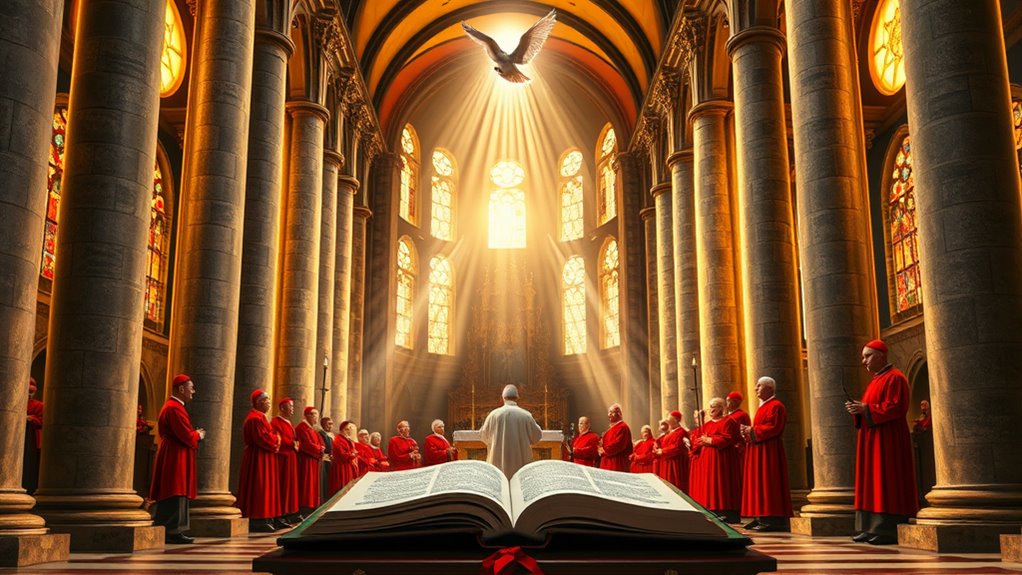
Among specific changes, Gänswein praised the re-instigating of consistories, the first since 2014, which he said cardinals welcomed as a platform for genuine issues and necessary discussions. All cardinals had been invited two weeks prior to the interview. On synodality, he noted that while it remains an important theme, the method and language are being utilized differently under Leo, referencing requests for clarification of a term he suggested is not fully anchored in Church faith.
Gänswein expressed full support for the new direction, calling it an opportunity for consolidation after turbulence. He praised Leo’s sermons and catecheses as grounded in Augustinian spirituality, noting their depth and foundation in the spirit of the Pope’s Order founder. He emphasized that the moment is not about personalities but about the unity of the Church and clarity of mission, urging Catholics to pray, trust, and walk with the Holy Father in hope for grounded, spiritually focused leadership.