Rome’s 2025 Jubilee, which runs through January 2026 under the theme “Pilgrims of Hope,” combines spiritual renewal with lasting infrastructure improvements that city officials say will benefit residents and visitors for generations. The Holy Year has already drawn over 1.3 million pilgrims through St. Peter’s Holy Door in its first month, prompting metro extensions and the pedestrianization of Via dei Fori Imperiali. With 32 million visitors expected and events spanning youth gatherings to ecumenical celebrations, the transformation extends beyond temporary religious observance into permanent urban legacy.
The 2025 Jubilee, a Catholic Holy Year held every quarter century, began on December 24, 2024, when Pope Francis opened the Holy Door of St. Peter’s Basilica, marking the start of a period dedicated to spiritual renewal, forgiveness, and celebration that will continue until January 6, 2026.
The event, operating under the motto “Pilgrims of Hope,” was proclaimed through the papal bull *Spes non confundit*, meaning “Hope does not disappoint,” and the Vatican anticipates over 32 million pilgrims will visit Rome during this extraordinary year.
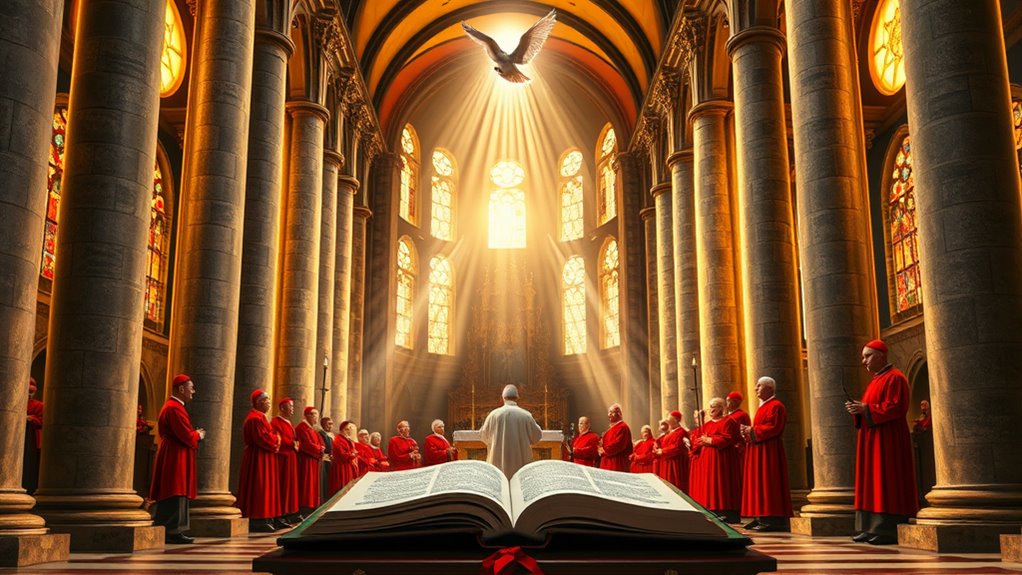
The symbolic passage through Holy Doors at St. Peter’s and other papal basilicas, including St. John Lateran, Santa Maria Maggiore, and St. Paul Outside the Walls, represents a changeover from sin to grace and grants pilgrims plenary indulgence when accompanied by confession, communion, prayer, and works of mercy. Scholars emphasize hermeneutical principles when considering how ancient texts and traditions inform contemporary Catholic practice.
Registration is available through the Jubilee website, with pilgrimages beginning at Piazza Pia near Castel Sant’Angelo and following Via della Conciliazione to St. Peter’s.
The year features numerous themed jubilees targeting specific groups. The Jubilee of Artists runs February 15-18, 2025, while the Jubilee of Volunteering on March 8-9 drew 150,000 pilgrims over two days.
Other scheduled events include gatherings for military and police personnel, people with disabilities, workers, teenagers, entrepreneurs, and youth, with the Jubilee of Youth extending from July 28 to August 3, 2025. The Jubilee of the Eastern Churches on May 13, 2025, will serve as a key moment for fostering ecumenism and unity among Eastern Churches and the wider Catholic community.
Cultural and sporting events will take place across Rome at venues including Piazza del Popolo, Piazza Navona, the Gardens of Castel Sant’Angelo, Villa Ada, Villa Borghese, and Circus Maximus.
The influx of visitors has prompted infrastructure upgrades, including metro extensions and the pedestrianization of Via dei Fori Imperiali, though extended wait times are anticipated for transportation and popular sites like the Colosseum and Vatican Museums. In the first month alone, more than 1.3 million pilgrims passed through the Holy Door at St. Peter’s Basilica, demonstrating the extraordinary global response to the Jubilee’s call for spiritual renewal.
The Jubilee closes on Epiphany 2026 when the Holy Doors shut, symbolizing the end of the Holy Year and leaving a legacy of renewed faith and upgraded infrastructure that will serve residents and visitors for generations.