
The Bible does not mention Halloween by name, but it clearly warns against occult practices central to the holiday’s origins. Deuteronomy 18:10-12 forbids divination, witchcraft, and sorcery, calling them abominations. Leviticus 19:31 cautions against spiritual defilement through occult involvement. Ephesians 5:11 instructs believers to avoid works of darkness. Many Christians respond by hosting alternative harvest festivals, participating in community outreach, or abstaining entirely, guided by biblical principles of holiness while seeking to demonstrate Christ’s love. The following sections explore how families navigate these convictions practically.
Key Takeaways
- The Bible doesn’t mention Halloween specifically but warns against occult practices like divination, witchcraft, and necromancy in Deuteronomy 18:10-12.
- Scripture instructs believers to avoid “unfruitful works of darkness” and activities associated with spiritual impurity throughout both Testaments.
- Christians may participate through community outreach, giving gospel tracts, or hosting alternative festivals that emphasize biblical themes.
- Some believers abstain from Halloween entirely, while others selectively participate by avoiding costumes or activities promoting occult symbolism.
- Personal decisions should follow biblical principles of spiritual discernment, honoring God’s holiness while demonstrating Christ’s love to others.
Biblical Warnings Against Occult Practices and Darkness
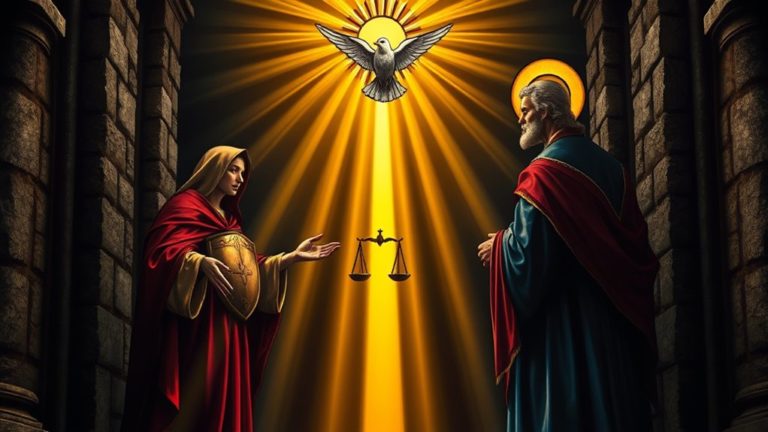
The Bible’s position on occult practices appears consistently throughout both the Old and New covenant, establishing clear boundaries that ancient Israel and early Christians were expected to observe. Archaeological discoveries such as the Dead Sea Scrolls provide historical context for the Bible’s transmission. Deuteronomy 18:10-12 explicitly forbids divination, witchcraft, sorcery, spell casting, consulting mediums or spiritists, and necromancy, labeling these activities as abominations.
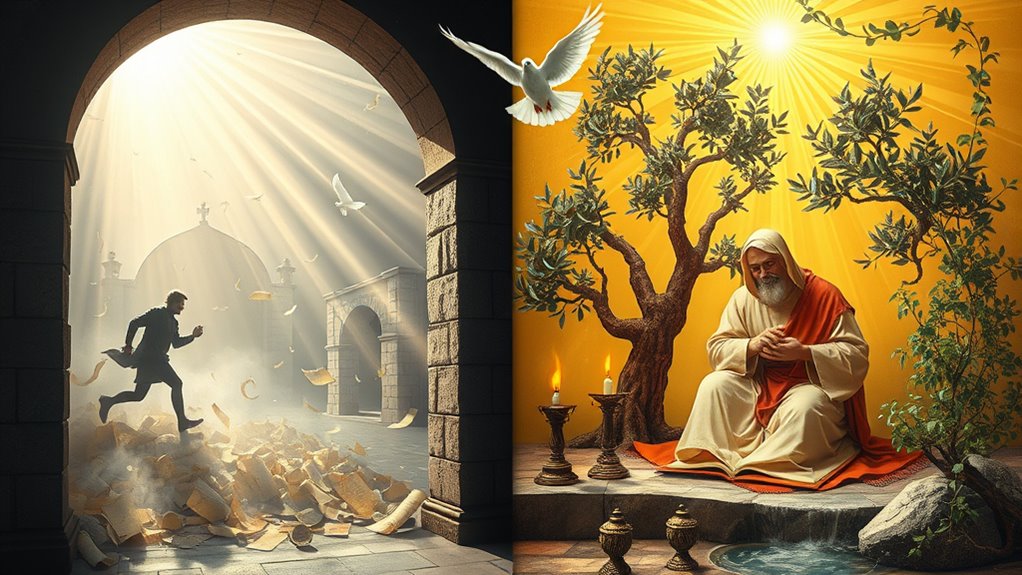
Leviticus 19:31 warns against turning to such practitioners to avoid spiritual defilement. The New Testament continues this stance, as demonstrated in Acts 19:19 when early Christians publicly burned their magic books after conversion.
Ephesians 5:11 advises believers to avoid “unfruitful works of darkness,” while Revelation 21:8 includes sorcerers among those facing eternal consequences. Isaiah 47:13 criticizes reliance on astrologers and star-based predictions, warning that these counselors cannot save from coming judgment. These passages emphasize that occult involvement conflicts with the holiness and consecration God requires from His people. Christians are instructed to put on God’s armor to stand against the devil’s wiles and deceptive schemes.
How Should Christians Respond to Halloween?
How should Christians navigate a holiday whose symbols include witches, ghosts, and darkness while remaining faithful to biblical principles? Establishing a consistent routine, such as a reading plan, can help families reflect on biblical principles amid cultural celebrations. Many believers choose to engage their communities during Halloween through loving outreach rather than complete withdrawal.
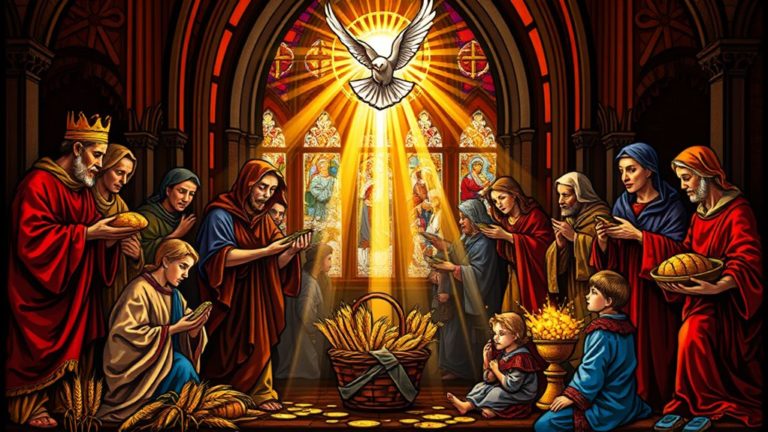
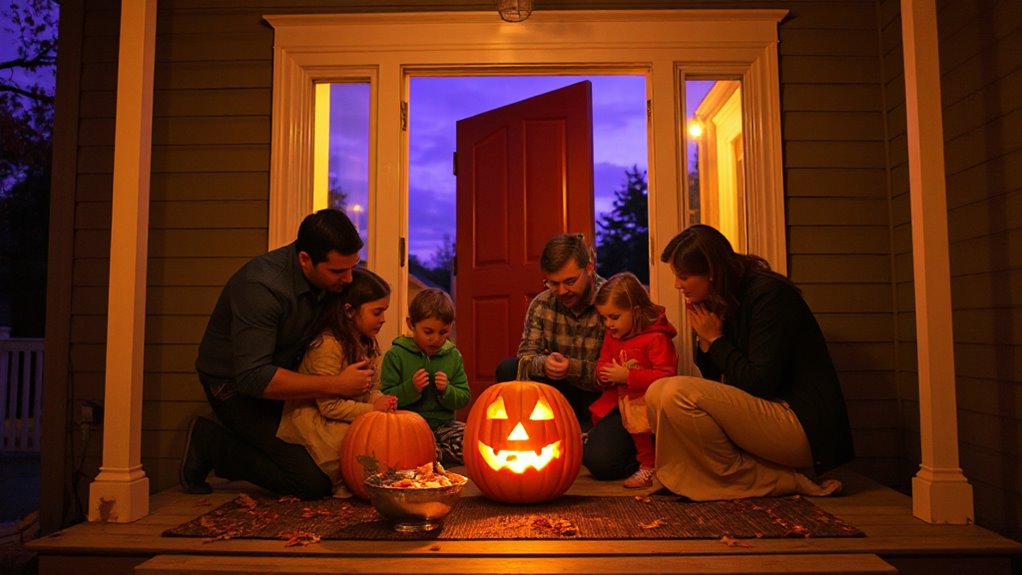
Some families participate selectively, distributing gospel tracts with candy or hosting alternative celebrations like Harvest Festivals that avoid occult themes. Others redirect the occasion entirely, dressing children as biblical characters or saints and using fall gatherings to build relationships.
Christians are advised to reject costumes and activities glorifying witchcraft, fortune telling, or violence, as these conflict with Scripture. Some churches have reframed the evening as “A new hello,” organizing community events that collect food for charity while sharing the Gospel. The decision to celebrate or abstain is ultimately personal but guided by biblical principles, with each family weighing how their choices reflect godly values and show Christ’s love to neighbors, balancing community participation with spiritual integrity.