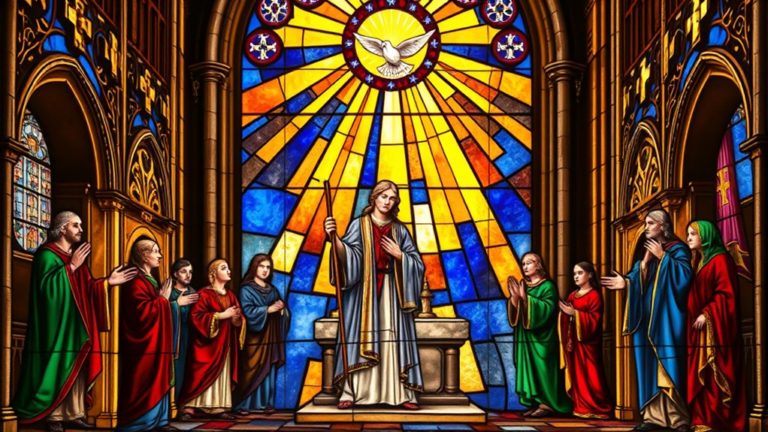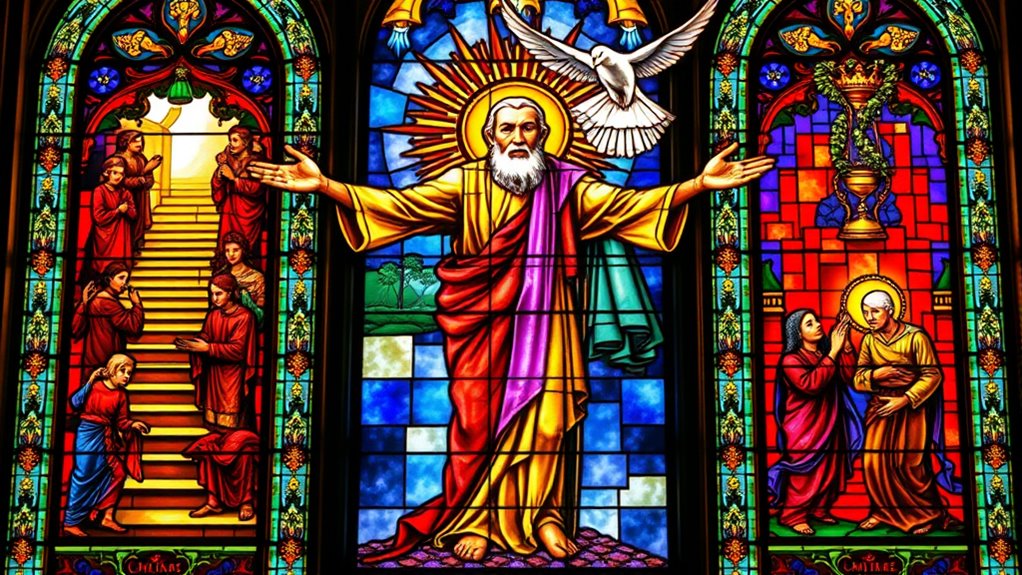





Paul’s quotation of the Cretan poet Epimenides in Titus 1:12—”Cretans are always liars, vicious beasts, lazy gluttons”—followed by his startling affirmation that “this testimony is true,” creates a rhetorical challenge for interpreters. Rather than condemning all Cretans, Paul addresses specific false teachers within the church who were promoting circumcision, Jewish myths, and teachings motivated by financial gain. His sharp rebuke aims at restoration, directing Titus to appoint mature elders who could refute opponents through sound doctrine while modeling integrity. The strategy reveals how early Christian communities navigated cultural criticism while maintaining hope for genuine transformation.
The letter to Titus contains one of the New Testament’s most striking statements: “Cretans are always liars, vicious beasts, lazy gluttons.” Paul quotes this harsh assessment from Epimenides, an ancient Cretan poet, and then adds what seems even more troubling—”This testimony is true.” The passage has puzzled readers for centuries, raising questions about whether Paul endorsed ethnic stereotyping or condemned an entire island population.
Context reveals a more measured reading. Crete had been a Roman province since 66 BC, home to a diverse population including Jews who formed communities there, as mentioned in Acts 2:11 and documented by the historian Philo. Alexandrian Jews in the early 40s AD noted Crete as an esteemed island colony. Archaeological inscriptions near Gortyn mention a sanctuary to Asclepius, the healing god called “Savior,” illustrating the religious mixture confronting early Christians. The island’s history stretched back to the Minoan era as the first sophisticated European culture with advanced art and architecture before successive periods shaped its religious landscape. The biblical narrative also repeatedly links Israel’s identity with land and covenant promises, offering a contrasting theological model of peoplehood rooted in covenantal land.
Paul assigned Titus to restore order and appoint elders in these new churches, according to Titus 1:5. The qualifications Paul outlined required mature character, integrity, self-control, and devotion to Jesus—attributes meant to contrast with behaviors threatening the community.
The specific problem involved teachers described as rebellious, empty talkers, and deceivers, particularly “those of the circumcision,” ethnically Jewish Cretans who taught falsehoods for monetary gain and demanded circumcision and Torah observance from non-Jewish converts.
Paul’s use of the Epimenides quote targeted these specific teachers rather than all Cretans. The original context involved Cretans denying Zeus’s immortality, with Epimenides possibly defending the god against his own people’s claims. Paul redirected this internal critique toward leaders whose behavior blurred lines between truth and falsehood through obsession with Jewish myths and human commands. The contrast highlighted the trustworthiness of God, who does not lie, as stated in Titus 1:3, versus the association of Cretan culture with Zeus and deceptive gods.
The apostle instructed Titus to rebuke sharply for soundness in faith, emphasizing that lying remained incompatible with the God of truth and Jesus, who declared himself the truth in John 14:6. Vitally, Paul’s strategy included the possibility of change rather than permanent condemnation.
Elders were to refute opponents with sound doctrine while Christians maintained godly living and compassionate service, keeping their faith pure amid competing religious claims in a challenging cultural environment.