

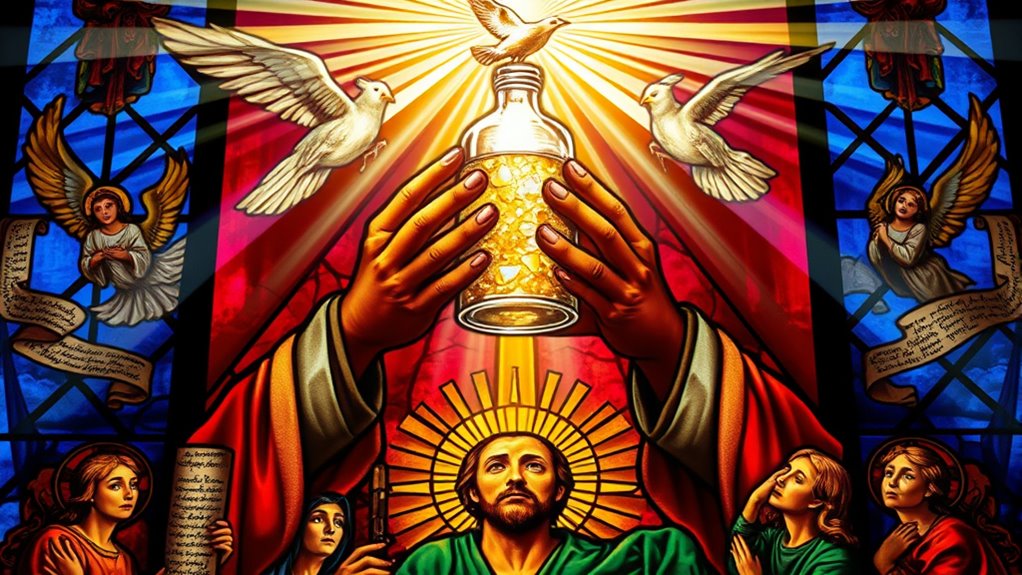




While the Bible does not mention modern drugs by name, it addresses their use through principles of sobriety and stewardship. Ephesians 5:18 warns against intoxication that leads to debauchery, and 1 Corinthians 6:19-20 describes the body as a temple requiring protection and honor. First Peter 5:8 calls believers to remain sober-minded to resist deception. These passages frame substance decisions as spiritual obligations affecting one’s relationship with God. Scripture also offers recovery frameworks emphasizing reliance on God’s strength, mind renewal, and accountability structures that support lasting transformation and healing.
Key Takeaways
- The Bible does not mention modern drugs directly but applies broader principles about intoxication, self-control, and body stewardship.
- Scripture warns against intoxication and being led astray, emphasizing sober-mindedness to maintain spiritual alertness and resist deception.
- Believers’ bodies are temples of the Holy Spirit, requiring protection and honor as a spiritual obligation.
- Recovery relies on God’s strength, mind renewal, new identity in Christ, confession, and accountability within supportive communities.
- Faith-based approaches combining biblical principles with evidence-based therapies show longer sobriety and reduced relapse rates.
What Does the Bible Say About Drug Use?

When examining what the Bible says about drug use, readers encounter an immediate challenge: Scripture contains no direct references to modern substances like cocaine, heroin, marijuana, or methamphetamine. The absence of specific prohibitions, however, does not indicate approval. Instead, biblical principles address the underlying issues.
First Corinthians 6:19-20 presents the body as a temple of the Holy Spirit, requiring protection and honor. This passage establishes stewardship as a spiritual obligation.
First Peter 5:8 calls for sober-mindedness to resist deception, while Ephesians 5:18 warns that intoxication leads to debauchery and separates believers from the Holy Spirit’s influence. These principles apply broadly to substance abuse, even when specific drugs remain unnamed in ancient texts. Proverbs 20:1 describes wine as a mocker and beer as a brawler, warning that being led astray by them is unwise.
Romans 13:13 calls believers to behave decently, as in the daytime, not in carousing and drunkenness, sexual immorality and debauchery, dissension and jealousy. Regular engagement in foundational disciplines like daily Bible reading supports resisting patterns of substance misuse.
Biblical Principles for Christians Struggling With Drugs

For Christians confronting drug dependency, biblical teaching offers a framework that addresses both the spiritual and practical dimensions of recovery.
Scripture emphasizes reliance on God’s strength, with passages like Isaiah 41:10 assuring believers of divine support during anxious moments. Romans 12 encourages mind renewal for discerning healthier choices, while 2 Corinthians 5:17 declares that anyone in Christ becomes a new creation. Regular practices such as daily prayer and centering reflection help believers stay grounded in that renewed identity.
Recovery often involves confession and accountability, as James 5:16 promotes healing through sharing struggles with trustworthy others. Many view addiction as a worship disorder, redirecting desires from substances to God.
Faith-based programs that integrate these principles have demonstrated longer sobriety periods and reduced relapse rates, according to studies on religious coping mechanisms. Daily prayer, meditation, and Scripture study help build inner resources for sustained transformation. Programs blending evidence-based therapies such as EMDR and trauma-informed counseling with biblical principles provide holistic healing that addresses body, mind, and spirit.
Understanding that change is non-linear and cyclical helps Christians extend grace to themselves during setbacks, recognizing that progress involves forward movement alongside occasional struggles.