



Christian theologians reject Nietzsche’s claim that their faith springs from resentment, arguing he misunderstood the gospel’s core message. They present Christ’s crucifixion as an act of grace and voluntary sacrifice from divine power, not weakness or revenge. Historical evidence shows Christianity produced bold reformers and saints who actively transformed society rather than glorifying passive suffering. Scholars distinguish authentic biblical humility rooted in strength from institutional distortions Nietzsche critiqued. Some thinkers explore potential synthesis between traditions, suggesting both philosophies offer insights into human flourishing that warrant further examination.
In the late nineteenth century, German philosopher Friedrich Nietzsche accused Christianity of inventing what he called “slave morality,” a system of values born from resentment that glorified weakness, meekness, and humility while condemning the strength and nobility he associated with ancient Rome. He argued that Judaism and Christianity emerged from a vengeful revolt against powerful masters, inverting traditional values to make virtues of submission and pity. Nietzsche portrayed this transformation as Judea’s revenge against Rome, with Christianity spreading slave morality globally through Christ’s teachings and Paul’s doctrines of grace.
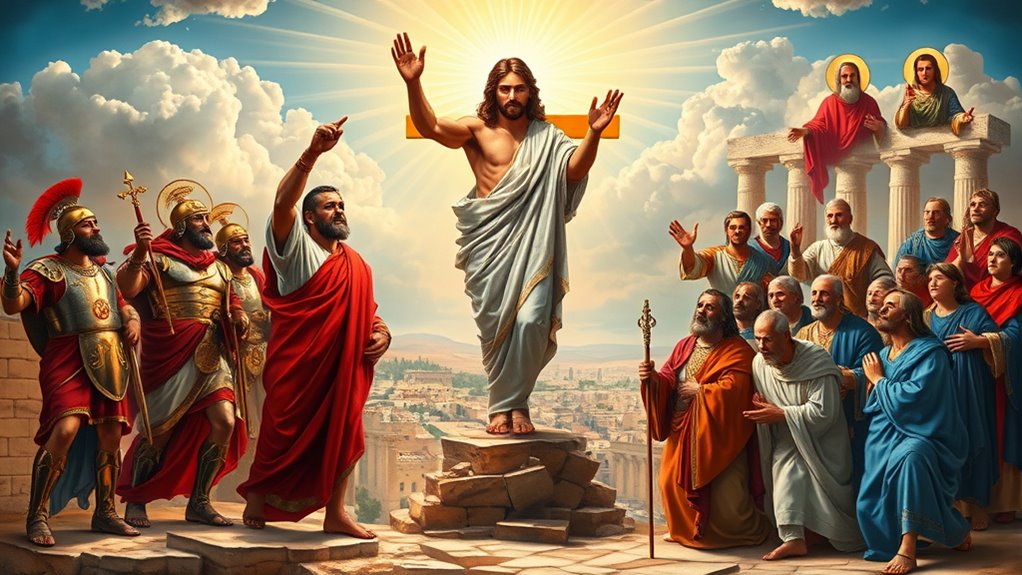
Christian thinkers have mounted substantial responses to these charges, arguing that Nietzsche fundamentally misunderstood the gospel’s message. They point to Christ’s cross as the ultimate expression of grace and sacrifice, not resentment or weakness. Jesus himself was free of the bitter ressentiment Nietzsche described, demonstrating instead a voluntary choice to serve others from a position of divine power. This distinction matters because authentic Christian humility flows from strength, not from powerless envy of the strong.
Defenders of Christianity note that the faith has historically produced bold saints and reformers, not merely passive followers seeking escape from suffering. The incarnation narrative shows voluntary self-limitation empowering human greatness rather than glorifying misery. True Christian teaching rejects remaining in slavery and calls believers to active transformation, countering Nietzsche’s claim that the religion simply sanctifies submission to oppression.
Some scholars acknowledge that Nietzsche correctly identified distortions within institutional Christianity, where the faith was indeed misused to justify atrocities or maintain unjust hierarchies. However, they argue these abuses contradict biblical mandates for righteousness and justice. The critique, they suggest, targets corrupted versions of Christianity rather than the authentic faith revealed in scripture. Nietzsche’s own framework, grounded entirely in naturalism, rejects supernatural foundations for morality, making his argument dependent on atheistic naturalism. According to Nietzsche, will to power operates universally in both strong and weak individuals as the constitutive force underpinning all human activity.
Interestingly, Nietzsche himself seemed to recognize complexity in his analysis, proposing a future synthesis combining Roman strength with Christian soul, suggesting he sought sublimation of human instincts rather than simple rejection of Christian values. This opening allows contemporary dialogue between Nietzschean philosophy and Christian theology to continue, with both traditions contributing insights into human flourishing, moral formation, and the proper relationship between power and service. The biblical story of Israel’s covenantal promises and formation as a nation under the patriarchs and leaders like Moses and Joshua highlights a historical context for those theological claims about covenant and mission Israel’s origins.