The Black church reframes culture wars by rejecting conventional left-right political categories, drawing instead on a history of communal self-governance rooted in African traditions and covenantal Christianity. Rather than adopting predetermined ideological positions, Black church leaders like Martin Luther King Jr. charted “third way” approaches that combined moral witness with practical organizing, leveraging economic independence and scriptural authority to challenge both conservative and liberal establishments. This tradition prioritizes lived experience over abstract partisan debates, creating space for social change that transcends typical culture war narratives and continues shaping American public life in unexpected ways.
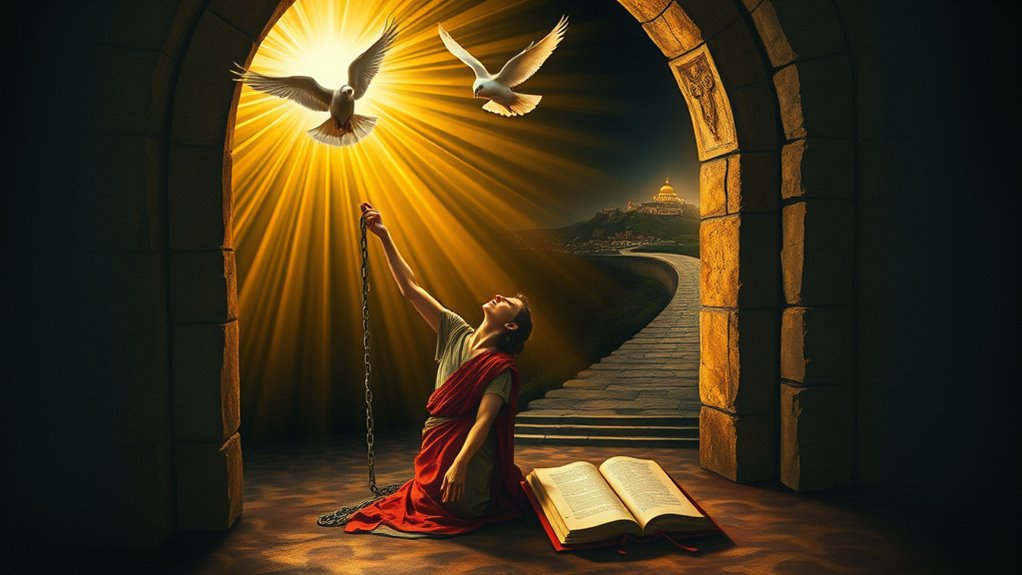
Throughout American history, the Black church has occupied a distinctive position in steering conflicts that divided the nation along racial, political, and moral lines. Originating from praise houses and hush harbors where enslaved people blended African cultures with Christianity, these institutions provided independence from white surveillance and evolved into centers that represented more facets of community life than any other organization. During the Jim Crow era, the Black church functioned as a “nation within a nation,” offering childcare, education, health clinics, and other services unavailable elsewhere when the state failed Black interests. The church’s roots in communal self-governance similarly echo historical models of collective identity found in other longstanding faith communities like Israel, whose early formation centered on familial and covenantal bonds that shaped communal life and purpose covenantal promises.
The Black church emerged as a nation within a nation, providing essential services and community independence when the state abandoned Black interests.
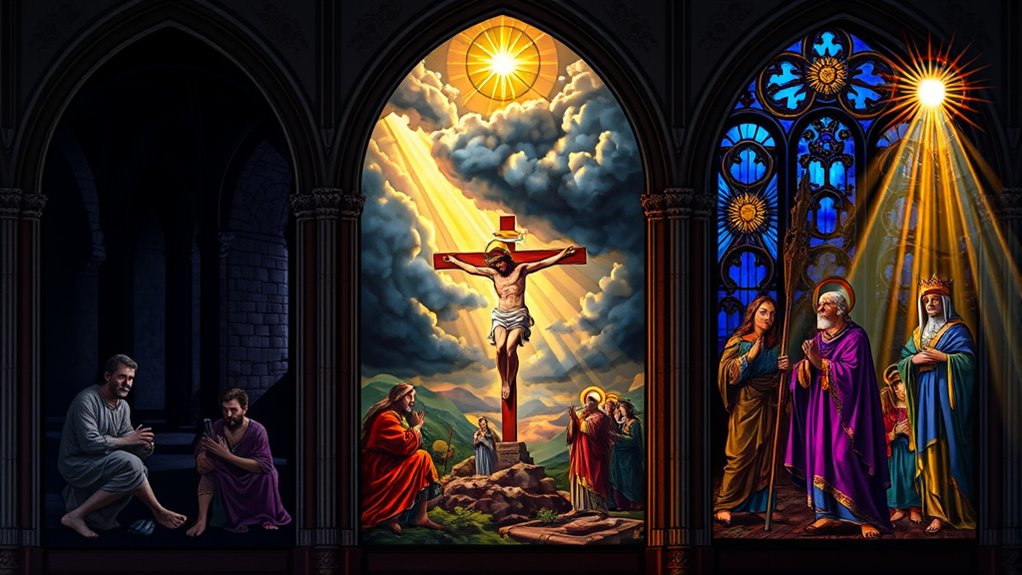
The church’s role in civil rights leadership demonstrated its capacity to chart paths beyond conventional political boundaries. Leaders like Martin Luther King Jr. pursued a non-violent approach that represented a “third way” between the black power movement and white liberal abandonment. King criticized the Vietnam War while pushing anti-poverty initiatives, maintaining scriptural authority amid political splits and guiding what became the most effective faith-based social change movement in American history. In Tallahassee, when ministers like C.K. Steele led the bus boycott, churches provided economic independence through congregational support that allowed leaders to negotiate with city officials without fear of financial retaliation.
This tradition of steering between polarized positions extends back to Reconstruction, when Black churches centered efforts to remake the political system for formerly enslaved men while fostering biracial coalitions through shared memberships. In modern crises, such as when organized clergy prevented the Watts Riots from spreading in Los Angeles after the Leonard Deadwyler shooting, religious leadership forced institutional accountability and articulated community hopes during moments of tension. Ordinary men, women, and children demonstrated moral discipline when they confronted police dogs and fire hoses during civil rights demonstrations.
Today, the Black church faces challenges that test its historical role. Declining in-person attendance and tithes have shrunk congregations, while internal conflicts over preaching styles and new media create generational rifts. The Jena 6 case highlighted battles with internet-tied activists, and the 2008 California primary showed shifting dynamics when Obama won 86 percent of the Black vote despite establishment endorsements.
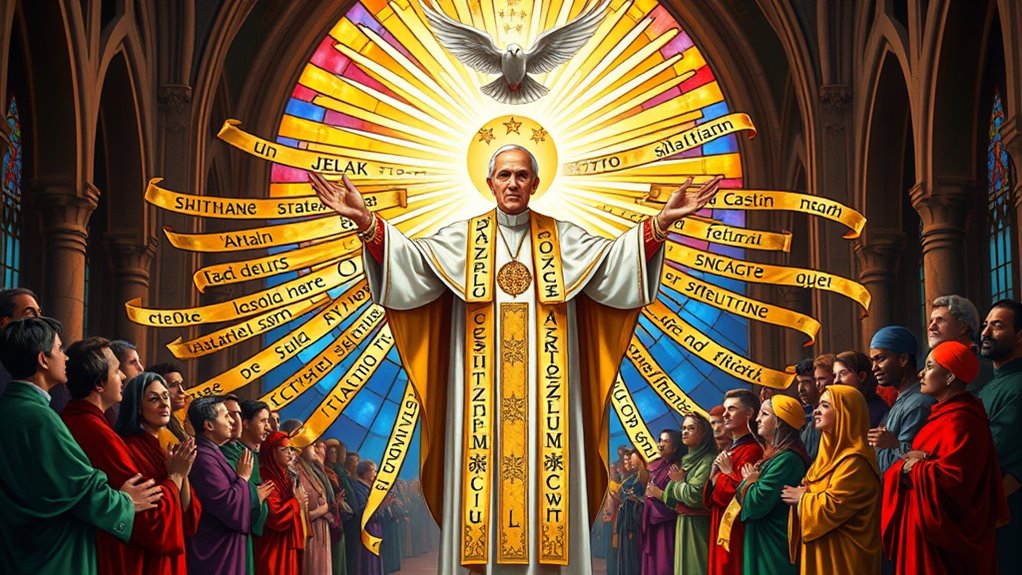
Yet the church’s legacy offers guidance through contemporary polarization by rejecting assumed left-right alignment as ahistorical. Its historic public witness supports the Constitution as both moral and strategic mechanism, promoting a faithful path that avoids ideological captivity and reframes culture war narratives through lived experience.