
A spontaneous Rosary prayer combines the ancient devotion’s meditative structure with immediate response to sudden need or distress. Unlike purely extemporaneous prayer, it offers familiar words when personal expression fails, while the repetition of Hail Marys and Our Fathers maintains focus during emotional turmoil. This practice draws on Scripture-based prayers and contemplation of Christ’s mysteries, creating quiet strength through rhythm and reliability. The Rosary’s centuries-old framework supports believers when urgency meets uncertainty, grounding them in relationship with God through both vocal and mental prayer that engages heart and mind together in the present moment.
Spontaneous prayer and the Rosary represent two distinct yet complementary forms of Catholic devotion, each serving a unique purpose in the spiritual life of believers. Spontaneous prayer occurs in the moment, involving conversation with God using one’s own words rather than memorized formulas. This approach allows believers to express immediate emotions, whether joy, anguish, or frustration, and to respond quickly to others’ needs, such as prayer requests shared through social media. The practice builds intimacy with God through personal expression, developing relationships that extend beyond traditional devotional structures. Prayer as communication with God is central to the Christian life, grounding believers in relationship and reliance on God’s presence communication with God.
The Rosary, by contrast, employs repetition of prayers like the Hail Mary and Our Father while meditating on mysteries from Christ’s life. This combination of vocal and mental prayer avoids mindless recitation when prayed from the heart. Biblical precedent supports such repetition: Jesus himself repeated prayers in Gethsemane, and angels in Revelation 4:8 ceaselessly proclaim “Holy, holy, holy.” The Rosary’s prayers derive from Scripture, with the Hail Mary drawn from Luke’s Gospel, and have served Catholics for centuries. The repetition serves to maintain focus while contemplating important events in the lives of Jesus and Mary.
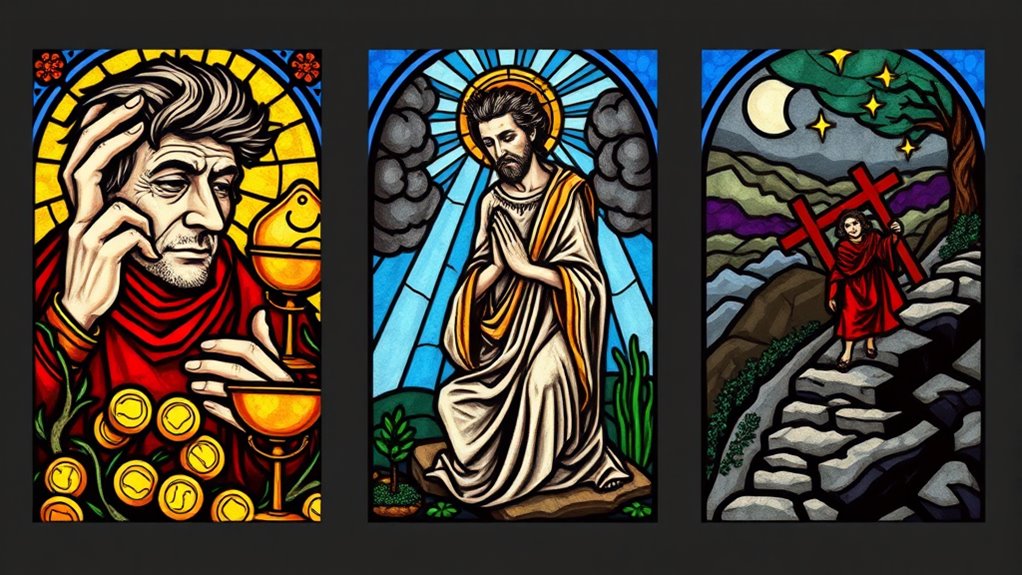
Critics sometimes associate the Rosary with vain repetition, but this concern applies to any prayer lacking genuine engagement. The Pharisee’s self-praising prayer and the tax collector’s humble plea illustrate that emptiness stems from the heart’s condition, not the words’ repetition. Jesus taught the Lord’s Prayer as a repeatable model, demonstrating that pre-composed prayers remain valid when offered sincerely.
Leading spontaneous prayer typically begins with the Sign of the Cross and an invitation to God’s presence, addressing him with titles like “Good and gracious God.” The format often follows five steps: Address, Appreciate, Ask, Through His name, and Amen. A pause for silence helps segue into prayerful focus. Quieting oneself during this pause allows awareness of emotions and thoughts that may signal where God is speaking.
Practical examples demonstrate both forms working together. Knights of Columbus members have prayed spontaneously for deceased cancer patients, while families in desperation have turned to the Rosary when personal words failed. The Rosary provides structure during distress, while spontaneous prayer offers immediate response to daily needs. Together, these practices create a balanced devotional life, combining Scripture-based tradition with personal conversation.