The Bible affirms wine as part of God’s provision for celebration and joy, appearing in moments like the wedding at Cana where Jesus transformed water into exceptional wine. Psalms connect wine to divine blessing, and Deuteronomy commands its use in feasts before the Lord. However, Scripture draws a sharp line at drunkenness, with Ephesians 5:18 prohibiting intoxication and Proverbs warning of impaired judgment. Paul lists habitual drunkards among those incompatible with God’s kingdom, while specific examples throughout both covenants reveal the serious consequences of excess.
Key Takeaways
- The Bible presents wine as a divine blessing and part of God’s provision that brings gladness to the human heart.
- Jesus participated in Jewish celebrations involving wine, performing his first miracle by transforming water into wine at Cana.
- Scripture draws a sharp line against drunkenness, prohibiting intoxication and contrasting it with being filled with the Spirit.
- Drunkenness impairs judgment, causes spiritual error, and is listed among sins incompatible with inheriting God’s kingdom.
- Priests were commanded to abstain from alcohol during duties to maintain spiritual discernment and distinguish holy from unholy.
Biblical Examples of Wine and Celebration
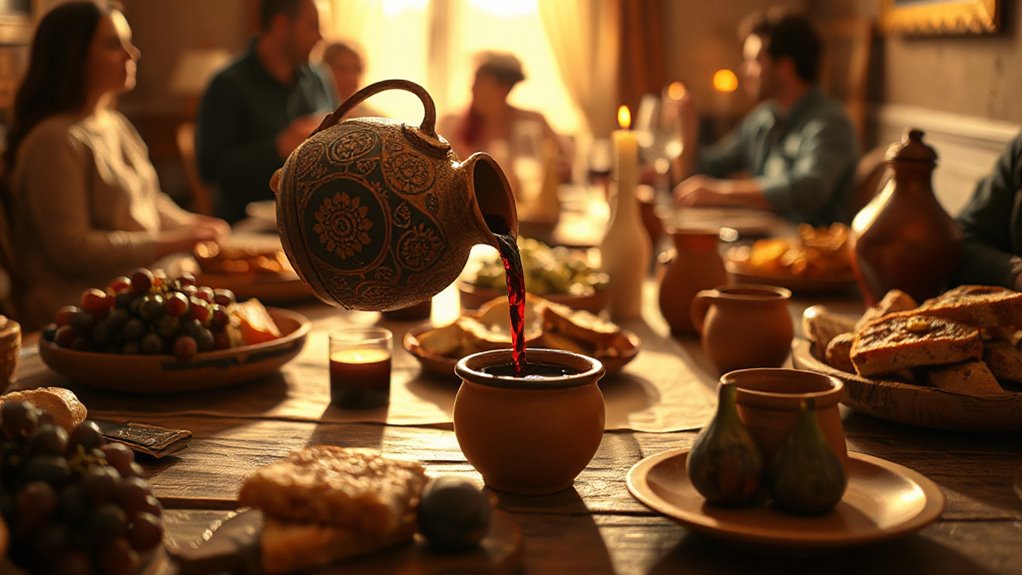
Throughout the biblical narrative, wine appears prominently in moments of celebration and communal gathering, functioning as both a practical beverage and a symbol of joy.
Wine served as both everyday refreshment and sacred symbol, marking biblical moments of divine blessing and human celebration.
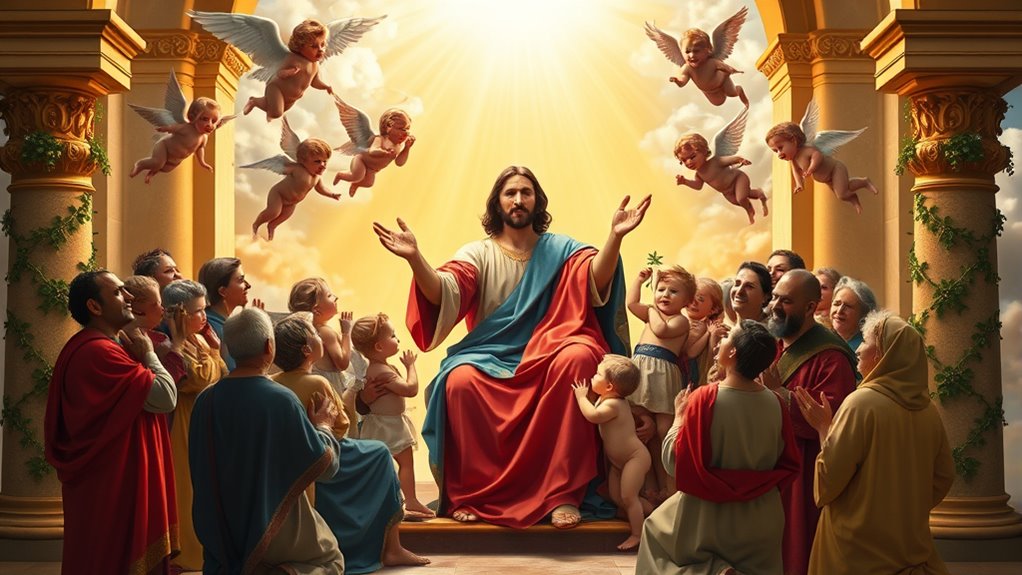
At the wedding in Cana, Jesus performed his first miracle by transforming water into wine, an act that both resolved a social crisis and revealed divine glory (John 2:1-11). The feast master praised the wine’s exceptional quality, underscoring wine’s cultural importance at weddings. Jesus, who was ethnically Jewish and participated in Jewish feasts, performed this sign within Jewish practice.
Beyond weddings, wine accompanied harvest festivals featuring singing and dancing (Isaiah 16:10), and God commanded Israelites to purchase wine for tithing feasts, instructing them to “feast before the Lord rejoicing” (Deuteronomy 14:26).
The Hebrew word for feast literally means drinking, confirming wine’s integral role in celebration and divine blessing. The Psalms repeatedly connect wine to divine blessing and abundance, portraying it as part of God’s provision that brings gladness to the human heart. Genesis 43:34 describes drinking and merrymaking at Joseph’s feast without implying intemperance.
When Drinking Becomes Sin: Warnings About Drunkenness
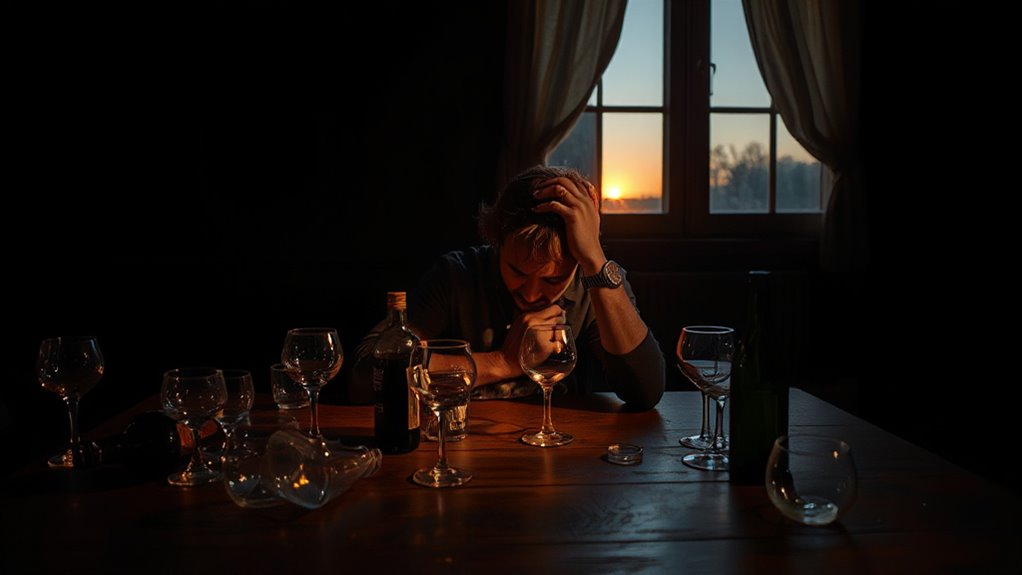
While Scripture affirms wine as a blessing in celebration, it consistently draws a sharp line at drunkenness, treating the loss of sobriety as a serious moral failure. Ephesians 5:18 explicitly prohibits getting drunk, contrasting it with being filled with the Spirit. The Catholic Bible contains 73 books, including deuterocanonical texts like Tobit and Wisdom, which reflect the broader canonical tradition of early Christianity.
The biblical record documents consequences: Noah’s drunkenness led to family shame, Lot’s to incest, and Belshazzar’s to divine judgment. Proverbs 23:29-35 catalogs the effects—woe, sorrow, strife, red eyes, and injuries.
Isaiah 28:7 notes that intoxication causes priests and prophets to err in judgment, while Hosea 4:11 states it takes away understanding. Leviticus 10:9-11 commanded priests to abstain from alcohol during duties to maintain their spiritual responsibilities and distinguish between the holy and unholy. Proverbs 31:4-5 warns that intoxication impairs judgment and justice, making wine particularly dangerous for those in positions of leadership. The warning carries eternal weight. Paul lists drunkards among those who will not inherit God’s kingdom in both 1 Corinthians 6:10 and Galatians 5:21, marking habitual drunkenness as incompatible with faithful discipleship.