The Bible does not forbid drinking liquor outright. Deuteronomy 14:26 permits wine and strong drink in worship, and Psalm 104:15 describes wine as a gift that gladdens the heart. However, Scripture draws a consistent line at drunkenness, which Galatians 5:21 and 1 Corinthians 6:10 both name as serious moral failure. The concern extends to bondage, harm to others, and decisions that cannot honor God. The passages ahead address each of these questions directly.
Key Takeaways
- The Bible permits drinking alcohol but consistently and seriously condemns drunkenness, listing it alongside grave sins like envy and sexual immorality.
- Deuteronomy 14:26 explicitly allows wine and strong drink, showing Scripture does not treat moderate drinking as sinful.
- Alcohol becomes a spiritual problem when it moves from freedom into bondage, mastering a person rather than remaining under their control.
- Believers must consider how their drinking affects others, voluntarily abstaining if it causes a vulnerable brother to stumble.
- Every drinking decision should be measured against whether it glorifies God and reflects the sobriety and self-control Scripture commends.
Does the Bible Permit Drinking Liquor?
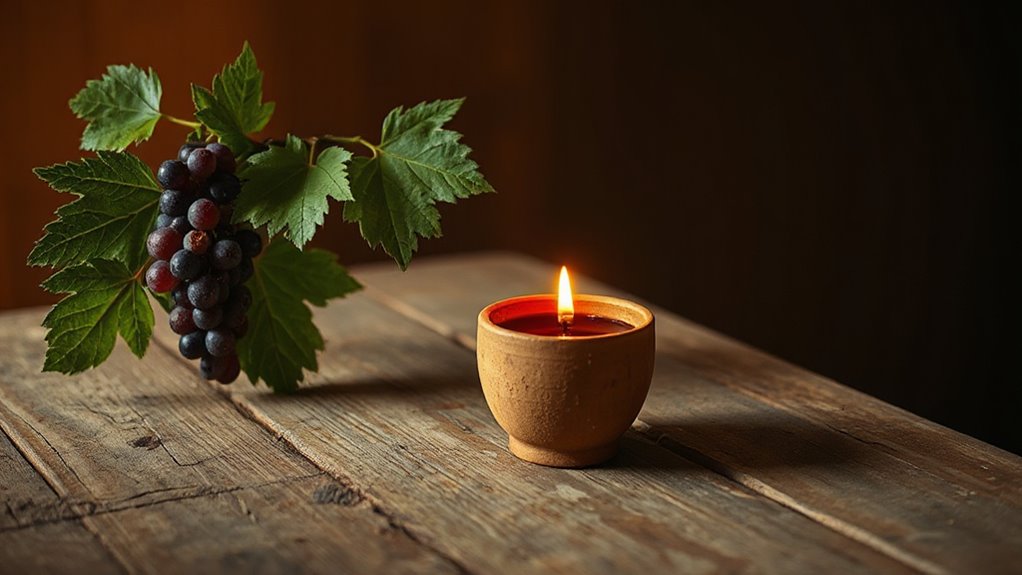
Whether the Bible permits drinking liquor is a question that draws varied answers depending on how one reads the text. Several passages treat wine and strong drink as ordinary parts of life. Deuteronomy 14:26 allows consuming wine and strong drink during worship, while Psalm 104:15 describes wine as something God provides to gladden human hearts.
GotQuestions states that Scripture does not necessarily forbid Christians from drinking alcoholic beverages. Catholic Answers similarly notes that Ephesians 5:18 condemns drunkenness, not drinking itself.
The consistent biblical pattern separates use from excess. Permission appears in specific contexts, while repeated warnings target overindulgence. Most major interpretive traditions, including Catholic and mainstream evangelical sources, conclude that drinking is allowed within measured limits, though abstinence remains a respected position among some groups. The miracle at Cana, where Jesus turned water into wine, would be difficult to reconcile with the view that drinking wine is sinful.
Paul instructed Timothy to drink wine rather than water exclusively, a recommendation rooted in the practical reality that water in that era often contained harmful contaminants. Regular prayer and reliance on the Holy Spirit can help believers exercise wisdom and self-control when making decisions about alcohol.
What the Bible Actually Says About Getting Drunk
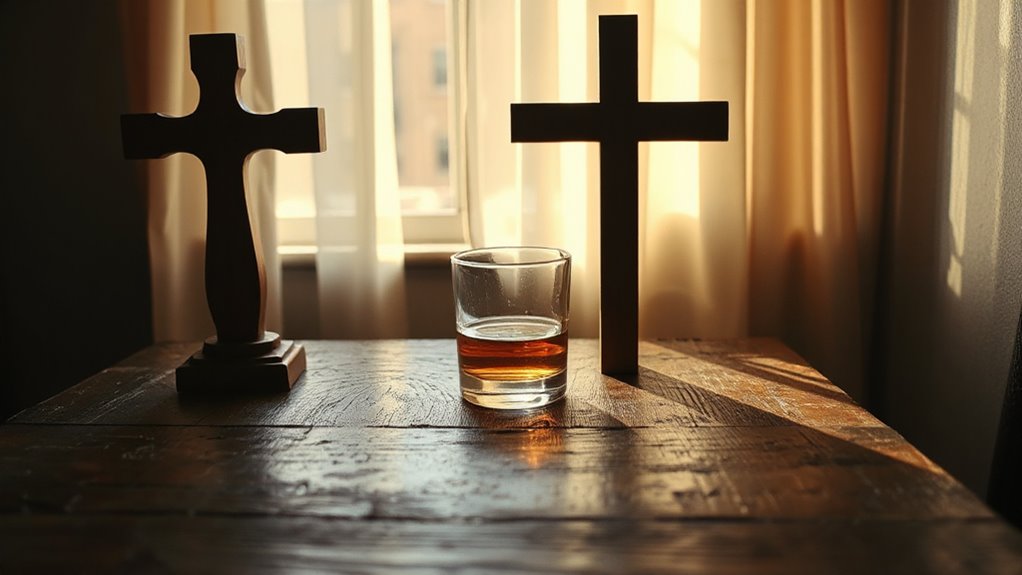
While the Bible leaves room for drinking in certain contexts, it draws a sharp and consistent line at drunkenness.
Multiple passages treat it not as a minor slip but as a serious moral failure.
Scripture does not treat drunkenness as a minor stumble. It names it consistently as serious moral failure.
Ephesians 5:18 directly commands against getting drunk, linking it to debauchery.
Galatians 5:21 groups drunkenness alongside envy and orgies, warning that those who practice such things will not inherit God’s kingdom.
First Corinthians 6:10 echoes that warning.
Romans 13:13 connects drunkenness with sexual immorality and quarreling.
Proverbs 23:29–35 describes its practical consequences: confusion, poor judgment, and ongoing harm.
Scripture consistently presents drunkenness as something that corrupts decision-making, damages relationships, and conflicts with a life oriented toward God.
The biblical pattern favors sobriety and self-control over intoxication. Proverbs 20:1 warns that wine is a mocker and that whoever is led astray by it is not wise. First Corinthians 5:11 warns believers against even associating with someone who bears the name “brother” and is a drunkard.
The Catholic canon also includes deuterocanonical books that were part of the Septuagint and recognized in early Christian tradition.
When Your Drinking Has Crossed Into Bondage
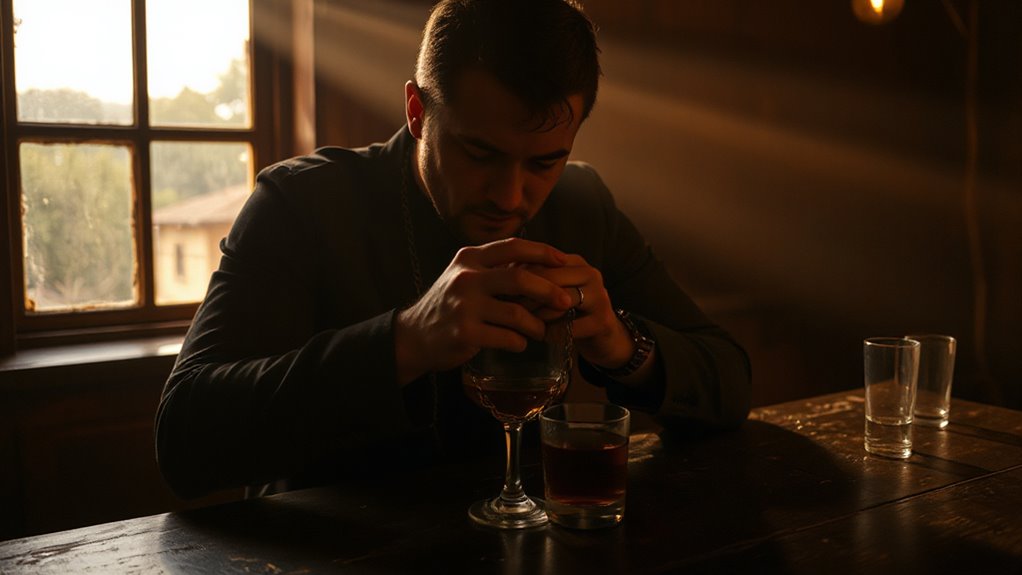
The Bible does not limit its concern about alcohol to individual episodes of drunkenness. Scripture also addresses patterns, and that distinction matters.
First Corinthians 6:12 states that while something may be lawful, it must not become dominating.
Proverbs 23:29–35 describes a recognizable pattern: lingering over drink, blurred perception, and returning to alcohol despite the harm it causes.
These are practical markers, not abstract warnings.
Christian sources such as Got Questions and Crosswalk identify addiction as the point where alcohol moves from freedom into bondage.
Signs commonly cited include inability to stop after starting, drinking to manage emotional pain, and escalating use over time.
When alcohol weakens judgment, damages relationships, or disrupts spiritual discipline, the Bible’s framework treats that condition as serious and worth addressing. The doctrine of the Trinity underscores that moral accountability before God involves both Father and Son in Christian understanding.
First Timothy 3:8 instructs that deacons must not be addicted to much wine, reflecting that Scripture holds those in leadership to a clear standard of sobriety.
Galatians 5:19–21 lists drunkenness among the works of the flesh, placing it alongside other behaviors described as contrary to life in the Spirit.
Why the Bible Allows Alcohol but Demands Self-Control
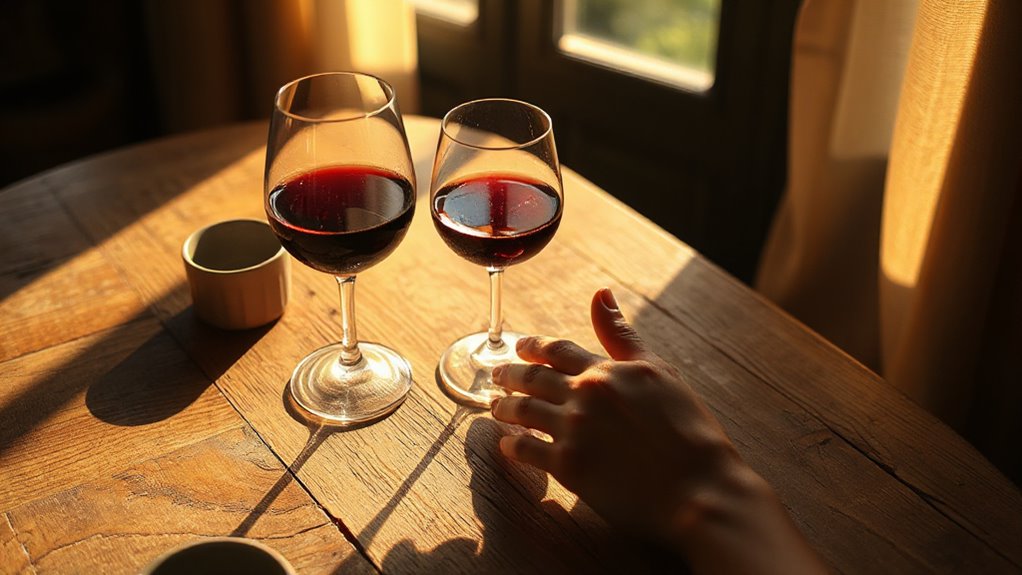
Scripture permits alcohol without treating it as sinful in itself, yet that permission comes with clear conditions.
Psalm 104:15 describes wine as something that gladdens human hearts, and Ecclesiastes 9:7 presents drinking as part of ordinary life.
The Bible draws a firm line, however, between use and misuse.
Ephesians 5:18 directly forbids drunkenness, while Proverbs 23:29–35 documents the physical, mental, and moral damage excessive drinking produces.
First Corinthians 10:31 sets the governing standard: whatever a person does, including drinking, should reflect God’s glory.
First Corinthians 6:12 cautions against being mastered by anything.
Taken together, these passages frame alcohol as a matter of Christian freedom—real freedom, but one bounded by self-control, sober judgment, and personal accountability before God. Deuteronomy 14:26 even instructs God’s people to use their tithe money to purchase beer and wine and celebrate before the Lord, demonstrating that Scripture can treat alcohol as part of legitimate, God-honoring worship. Catholics, as a branch within Christianity, likewise teach moderation and the role of conscience in such matters Catholic teaching.
Should You Stop Drinking for Someone Else’s Sake?
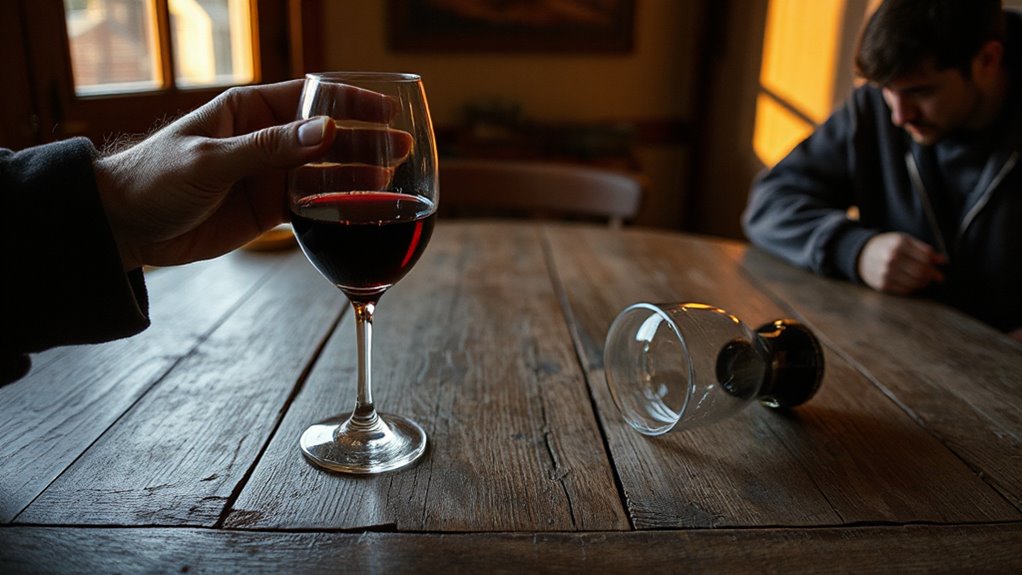
Personal freedom in drinking, as the previous section outlined, does not exist in isolation. Romans 14:21 states that it is good not to eat meat or drink wine if doing so causes a brother to stumble. The passage does not describe alcohol as universally sinful. Instead, it shifts the question from personal permission to relational impact.
A believer who drinks lawfully may still choose abstinence around recovering addicts, new believers, or family members for whom alcohol carries painful associations. Church commentators commonly treat this voluntary restraint as an act of care rather than religious obligation. Many commentators note that early church practices varied, especially as Christian communities formed during the first centuries after Christ.
The guiding concern is not freedom itself but how that freedom affects others. Love, Scripture suggests, sometimes requires setting a personal liberty aside. Paul’s principle in 1 Corinthians 8 warns that causing a brother to stumble by exercising one’s liberty is equated with sinning against Christ himself. Proverbs 20:1 warns that wine is a mocker, cautioning that even the appearance of endorsing its use can influence those already vulnerable to its effects.