


The Bible speaks about swearing in two ways: formal oaths made before God, and profane or vulgar language. Jesus taught that simple honesty makes oaths unnecessary (Matthew 5:34-37). Paul condemns corrupt and obscene speech without listing forbidden words (Ephesians 4:29; Colossians 3:8). For swear words, the Bible’s concern is the heart behind the speech.
Key Takeaways
- “Swearing” covers two things in Scripture: oaths and promises, and profane or degrading speech.
- Jesus called for plain honesty in place of oaths.
- The Bible names no specific forbidden words. It condemns unwholesome, corrupt and obscene speech in general.
- Scripture treats speech as a heart issue and offers wholesome, thankful speech as the alternative.
The Two Types of Swearing the Bible Addresses
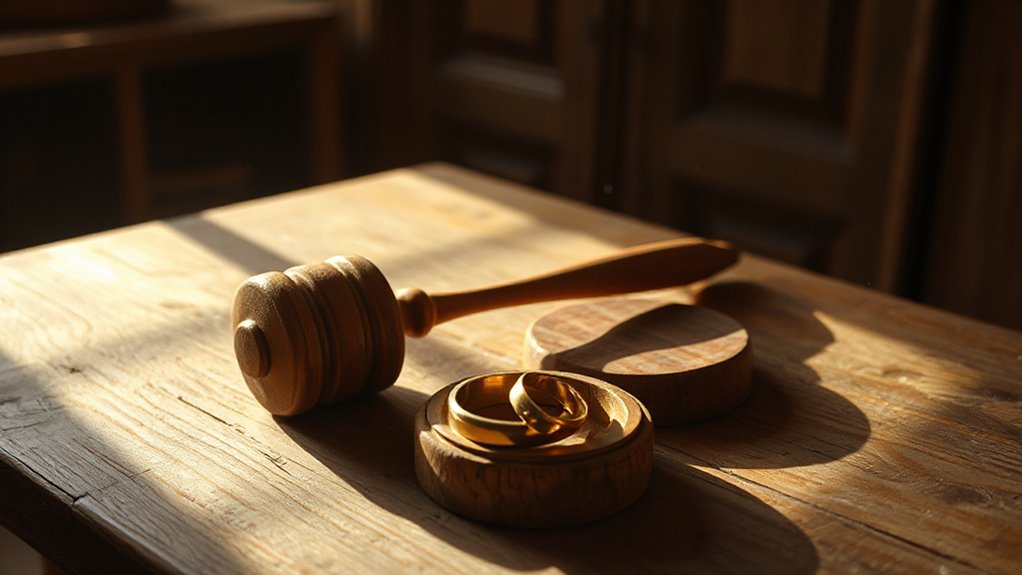
When most people hear the word “swearing,” they think of crude language or offensive outbursts. The Bible, however, addresses two distinct forms of the practice.
The first involves oaths and formal promises made before God, in which a person binds themselves to truthfulness or loyalty. Scripture refers to this in contexts like marriage vows and personal agreements, such as the oath Abraham swore to Abimelech in Genesis 21:22–24. The second form concerns profanity and vulgar speech, including foul language, crude jokes and words that dehumanize others.
One concerns the integrity of promises; the other concerns the dignity of everyday speech. Together, they form a broader framework for how language shapes relationships and reflects character. The language of swearing appears many times in Scripture, reflecting how seriously God’s people were expected to treat language tied to promises and the divine name.
Regular practice of honest speech and centered prayer can help shape a habit of integrity in both promises and everyday conversation.
What Jesus Taught About Oaths and Empty Vows

Among Jesus’ most direct teachings on speech are his words in Matthew 5:34-37.
“Again you have heard that it was said to them of old time, ‘You shall not make false vows, but shall perform to the Lord your vows,’ but I tell you, don’t swear at all: neither by heaven, for it is the throne of God; nor by the earth, for it is the footstool of his feet; nor by Jerusalem, for it is the city of the great King. Neither shall you swear by your head, for you can’t make one hair white or black. But let your ‘Yes’ be ‘Yes’ and your ‘No’ be ‘No.’ Whatever is more than these is of the evil one.
Matthew 5:33-37 (WEB)
Jesus did not merely discourage careless promises; he challenged oath-making as it was commonly practiced. Swearing by heaven, earth, Jerusalem or one’s own head was ruled out, since all such references ultimately pointed back to God. In its place he set a simple standard of plain “yes” and “no,” and he said that anything beyond that comes from the evil one. This is a call to frivolous or deceitful swearing being set aside.
His critique targeted the habit of treating oaths as technicalities rather than serious commitments. Rabbis had developed elaborate distinctions, such as ruling that swearing by the temple differed from swearing by the temple’s gold, to determine which oaths were binding. Despite this teaching, Paul took vows during his ministry. Many interpreters take this to mean the early church understood Jesus as opposing oath abuse rather than issuing a blanket prohibition on all vows.
Does the Bible Forbid Profanity and Foul Language?

The Bible never lists specific forbidden words, but it addresses unwholesome speech consistently. Ephesians 4:29 prohibits corrupt communication.
Let no corrupt speech proceed out of your mouth, but only what is good for building others up as the need may be, that it may give grace to those who hear.
Ephesians 4:29 (WEB)
Ephesians 5:4 names filthiness, foolish talk and crude joking as out of place for believers, and Colossians 3:8 groups filthy communication with anger and malice as things to put aside. The Greek term aischrologia refers to vile or obscene language. According to 2 Timothy 2:16, profane speech leads to more ungodliness over time.
Many Christians also understand profanity as expressing contempt for God, and they connect it to the Second Commandment’s prohibition of misusing God’s name. Biblical guidelines focus less on specific vocabulary and more on the intent behind words. Because word meanings shift across time and cultures, some writers argue that what counts as evil speech is shaped by the culture’s standards in which a believer lives.
Catholic teaching adds that authority, tradition and communal practice help shape moral guidance, including norms about speech, as seen in how Catholics balance Scripture with Sacred Tradition.
Why the Bible Treats Swearing as a Spiritual Character Issue

The Bible treats swearing not merely as a social bad habit but as a window into a person’s spiritual condition. Jesus said in Matthew 5:37 that speech beyond simple honesty comes from evil, suggesting that words reflect deeper inner realities.
James 3:9-12 reinforces this by noting that cursing people made in God’s image is inconsistent with blessing God.
With it we bless our God and Father, and with it we curse men, who are made in the image of God. Out of the same mouth comes blessing and cursing. My brothers, these things ought not to be so.
James 3:9-10 (WEB)
A person’s words, in this view, indicate whether the heart aligns with God’s purposes. Hosea 4:2 connects swearing with lying and bloodshed as linked expressions of moral corruption spreading through a community. Proverbs 6:16-19 identifies a lying tongue and false witness among the things the Lord hates, so deceitful speech is not a minor offense.
What the Bible Says Christians Should Say Instead of Swearing

Scripture does not simply prohibit swearing; it also prescribes what should replace it. Ephesians 4:29 calls for wholesome talk that benefits the listener, and Ephesians 5:4 replaces obscenity and coarse joking with thanksgiving. Colossians 4:6 advises speech that is gracious and seasoned with salt.
Let your speech always be with grace, seasoned with salt, that you may know how you ought to answer each one.
Colossians 4:6 (WEB)
Proverbs 15:1 adds that gentle words reduce conflict rather than escalate it. Together, these passages frame Christian speech as purposeful, kind and grounded in truth rather than impulse.
Strong language can still serve a purpose: in Galatians, Paul calls for those who preach a false gospel to be eternally condemned. The tongue holds the power to give life or cause death, so believers are urged to use wisdom and restraint.
Common Questions About Swear Words and the Bible
Is it a sin to take a legal oath?
Christians differ on this. Paul’s taking of vows suggests to many that Jesus opposed the abuse of oaths rather than every formal promise. Others read his words more strictly and avoid oaths altogether.
How can I tell whether my speech is unwholesome?
Since Scripture focuses on intent rather than vocabulary, a useful test is Ephesians 4:29: does the speech build up the listener? Words that degrade others, express contempt or deceive fall short of that standard.
Speaking With Honesty and Grace
The biblical approach to swear words is less about a list of banned vocabulary and more about the kind of person your speech shows you to be. Paying attention to what you say, and why, is a practical place to begin. Reading steadily through the Gospels, perhaps with a reading plan, can help shape the habits behind your words.