

The Bible takes a nuanced position on wine, neither flatly forbidding it nor giving it unrestricted approval. Proverbs 20:1 warns that wine is a mocker, while Psalm 104:15 describes wine as something that gladdens the human heart. Jesus himself turned water into wine at Cana, according to John 2. Paul even advised Timothy to drink a little wine for his stomach. The distinctions between permitted use and clear biblical warnings become sharper further along.
What Does the Bible Actually Permit About Wine?
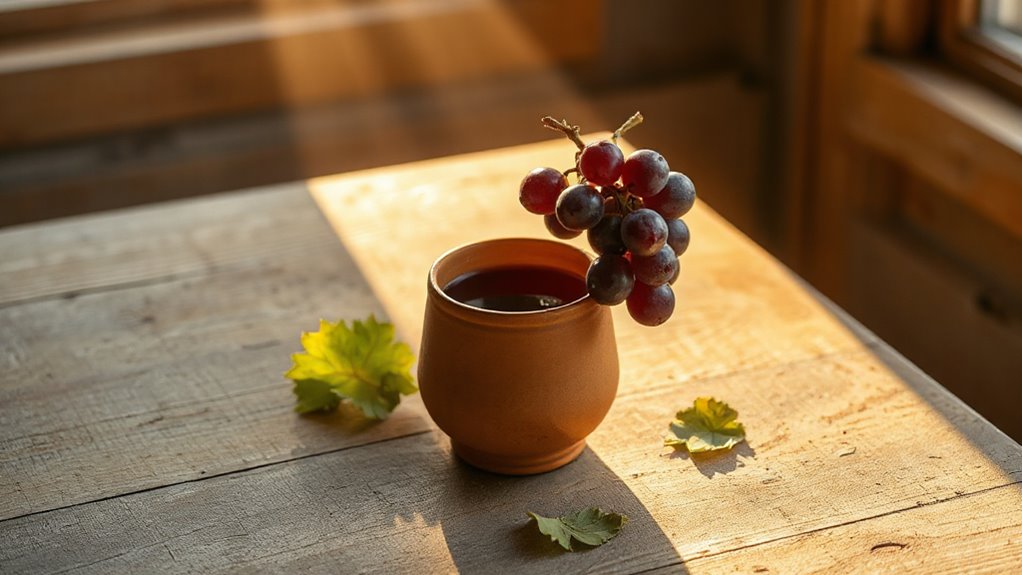
The Bible does not impose a blanket prohibition on wine. Scripture consistently portrays moderate consumption as acceptable within God’s order.
Ecclesiastes 9:7 encourages drinking wine with a merry heart, framing it as something God approves. Psalm 104:15 credits wine directly to God as a gift meant to gladden human hearts.
Deuteronomy 14:26 permits spending offerings on wine as part of celebrating before the Lord. Leadership guidelines in 1 Timothy 3:8 and Titus 2:3 caution against excess rather than forbidding wine altogether, suggesting moderation as the standard.
Even Paul, writing to Timothy in 1 Timothy 5:23, recommends a little wine for health. Across both covenants, wine appears as a blessing, not a forbidden substance, when consumed responsibly.
Jesus himself demonstrated this when he turned water into wine at the Wedding at Cana, a miracle that would be difficult to reconcile with any view that wine itself is sinful. In biblical times, wine was a common and often safer alternative to water, which was frequently contaminated and unsafe to drink.
What Does the Bible Say About Getting Drunk?
While the Bible permits moderate wine consumption, it draws a firm line at drunkenness. Several New Testament passages address this directly. Ephesians 5:18 prohibits drunkenness, calling it debauchery and contrasting it with being filled by the Holy Spirit. Galatians 5:19-21 lists drunkenness among works of the flesh that prevent inheriting God’s kingdom. Romans 13:13 warns against carousing and drunkenness, while 1 Peter 4:3 frames such behavior as belonging to a pagan past.
The Old Covenant reinforces these warnings. Proverbs 23:29-35 describes drunkenness producing woe, sorrow, strife, and addiction. Proverbs 20:1 calls wine a mocker that leads the unwise astray. Together, these passages consistently treat drunkenness not as a minor lapse, but as a serious spiritual and moral failure. Scripture also warns against the progressive nature of alcoholism, cautioning that what begins as a choice can gradually become a devastating addiction.
Paul’s letters further underscore the social consequences of drunkenness, warning in 1 Corinthians 5:11 that believers should not even associate with those who are habitually given to drunkenness, reflecting how seriously the early church treated this behavior as a communal and spiritual concern.
Did Jesus Really Drink Wine?
Few questions in biblical studies generate more debate than whether Jesus actually drank fermented wine.
Evidence from the Gospels suggests he did. Luke 7:33-34 records Jesus directly contrasting his own habits with John the Baptist’s abstinence, and religious leaders accused him of being a drunkard, though falsely.
At the wedding in Cana, Jesus transformed water into roughly 162 gallons of wine, which the master of the feast praised as superior quality.
Jewish wedding tradition expected fermented wine, not grape juice.
Scholars note Jesus was a Nazarene from Nazareth, not a Nazirite bound by abstinence vows like John.
His sinless life while drinking wine suggests the Bible distinguishes between moderate consumption and drunkenness, treating the substance itself as morally neutral. Scripture also explicitly records Jesus drinking wine at the Last Passover, where he shared the cup with his disciples before his crucifixion.
The Greek word used in John 2:10, methuo, meaning “to be drunken,” implies the wine Jesus created at Cana was capable of intoxicating those who consumed it.
Who Does the Bible Say Should Not Drink?
Across the Bible, certain groups faced clear restrictions on drinking wine—not as a blanket condemnation of alcohol, but as rules tied to specific roles and circumstances.
Nazirites under religious vows were required to abstain entirely, as Numbers 6:4 established. Priests entering the temple’s inner court faced the same rule, per Ezekiel 44:21, to maintain clarity during sacred service.
Proverbs 31:4-5 warned kings against wine, fearing impaired judgment could corrupt justice. Church deacons, according to 1 Timothy 3:8, were prohibited from addiction to wine, reflecting leadership’s demand for self-control.
Individuals struggling with addiction also fell into this category, since alcohol’s addictive properties posed particular risks. Each restriction addressed specific responsibilities or vulnerabilities rather than declaring wine universally forbidden. The Bible’s use of the broader term “strong drink” acknowledged that dangerous beverages extended beyond wine alone.
Paul’s warning in Ephesians 5:18 against drunkenness further confirms that Scripture’s concern was always the abuse of alcohol rather than its consumption. The Bible’s consistent focus on abuse, not consumption reinforces that moderate drinking was never universally condemned for all believers across every circumstance.
How Should Christians Decide Whether to Drink?
How a Christian decides whether to drink alcohol depends less on a single rule and more on a range of biblical principles, personal conscience, and denominational guidance.
Scripture prohibits drunkenness rather than drinking itself, with Ephesians 5:18 urging Spirit-filled self-control instead of intoxication. Paul’s words in 1 Corinthians 6:12 frame alcohol as a matter of Christian freedom, provided it does not lead to addiction or harm.
Some denominations, including the Assemblies of God and the Church of God, advise total abstinence, citing addiction risks and calls to sobriety found in 1 Thessalonians 5:1-11. Others permit moderate consumption under personal conscience.
Most agree that avoiding excess, protecting weaker believers, and honoring God’s ownership of the body remain the guiding priorities throughout this decision.