The Bible treats a drunkard not as someone who slips once but as someone whose repeated, immoderate drinking defines a pattern of conduct. Scripture separates drinking from drunkenness, condemning the latter across both covenants. Proverbs warns that wine mocks and strong drink stirs strife. Paul lists drunkards among those who will not inherit God’s kingdom. Luke 21:34 cautions that drunkenness weighs down the heart and undermines readiness for sudden judgment. There is more to uncover ahead.
Key Takeaways
- The Bible defines a drunkard as someone with a repeated pattern of excessive drinking, not someone who commits a single isolated lapse.
- Scripture draws a clear distinction between moderate drinking, which is permissible, and drunkenness, which is consistently condemned throughout both Testaments.
- The Old Testament links drunkenness to shame, broken judgment, and spiritual disorder, illustrated through figures like Noah, Lot, and Nabal.
- The New Testament lists drunkards among those who will not inherit God’s kingdom, and church standards require leaders to be sober and self-controlled.
- Luke 21:34 warns believers that drunkenness weighs down the heart and reduces spiritual readiness for the sudden, unforeseen arrival of judgment.
How the Bible Defines a Drunkard
Webster-style definitions used in Bible reference tools reinforce this, emphasizing repeated, immoderate drinking rather than a single lapse. The defining feature, thus, is pattern, not isolated incident.
Bible study tools consistently treat the term as describing ongoing behavior with moral weight. Scripture does not apply the label to someone who stumbles once but to someone whose conduct regularly ends in intoxication, loss of judgment, and public reproach.
The term functions as a moral category, not merely a behavioral description. Proverbs 23 directly connects this pattern of behavior to consequences, warning that a drunkard and a glutton shall come to poverty.
The Greek and Hebrew languages reflect this same moral weight, with terms such as methusos and shikkor used across the Old and New Testaments to describe those given over to habitual intoxication.
Ancient observations about human behavior and social consequences also inform biblical warnings, showing a consistent moral and practical concern across cultures.
What the Bible Says About Drinking vs. Drunkenness
The Bible draws a clear line between drinking and drunkenness, treating them as separate moral categories rather than degrees of the same problem. Scripture presents wine as part of ordinary life, sometimes described as a gift from God, and frames moderate drinking as compatible with faithful living. Passages like Romans 14 treat alcohol as a matter of personal conscience rather than universal prohibition.
Drunkenness, however, receives consistent condemnation. Ephesians 5:18 directly commands against getting drunk with wine. Galatians 5:21 and 1 Corinthians 6:10 list drunkenness among behaviors incompatible with God’s kingdom. Proverbs 20:1 warns that wine is a mocker and that whoever is led astray is not wise.
The central biblical concern is not alcohol itself but the loss of self-control that drunkenness produces. Scripture consistently separates use from abuse, placing moral weight on the condition of the heart and the preservation of judgment. Paul also makes clear that church members should not keep fellowship with a drunkard, as outlined in 1 Corinthians 5:11. Regular, honest prayer and reflection can help believers maintain self-control and align their choices with God’s will.
What the Old Testament Says About Drunkards
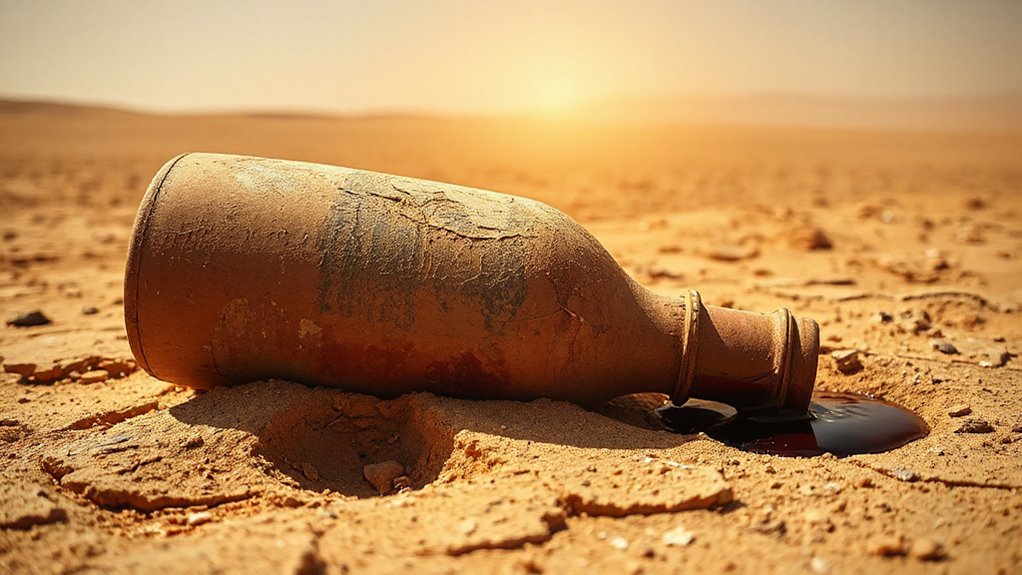
Throughout the Old covenant, drunkenness appears not as a minor social failing but as a condition tied to shame, broken judgment, and spiritual disorder. Noah’s intoxication led to family dishonor; Lot’s drinking preceded serious moral failure. Nabal’s heavy drinking contributed to reckless conduct, while King Ben-Hadad’s indulgence exposed him to military defeat.
Proverbs 23:29–35 describes drunkenness through vivid images of wounds, grief, and distorted perception. Proverbs 20:1 frames wine as a mocker and strong drink as a source of strife.
Priests were forbidden from drinking before entering the tent of meeting, linking sobriety directly to holy service. Isaiah condemned those who pursued strong drink from morning onward.
Isaiah also warned that drunkards of Ephraim would face divine judgment, declaring woe over those overcome with wine.
The Old Testament references wine roughly 140 times throughout its pages, reflecting how deeply embedded alcohol was in daily life and why its misuse carried such weight.
Together, these accounts treat drunkenness as a practical and spiritual danger with consistent, documented consequences. The inclusion of the deuterocanonical books in the broader biblical tradition also reflects how ancient communities documented moral teachings about excess.
What the New Testament Says About Drunkards
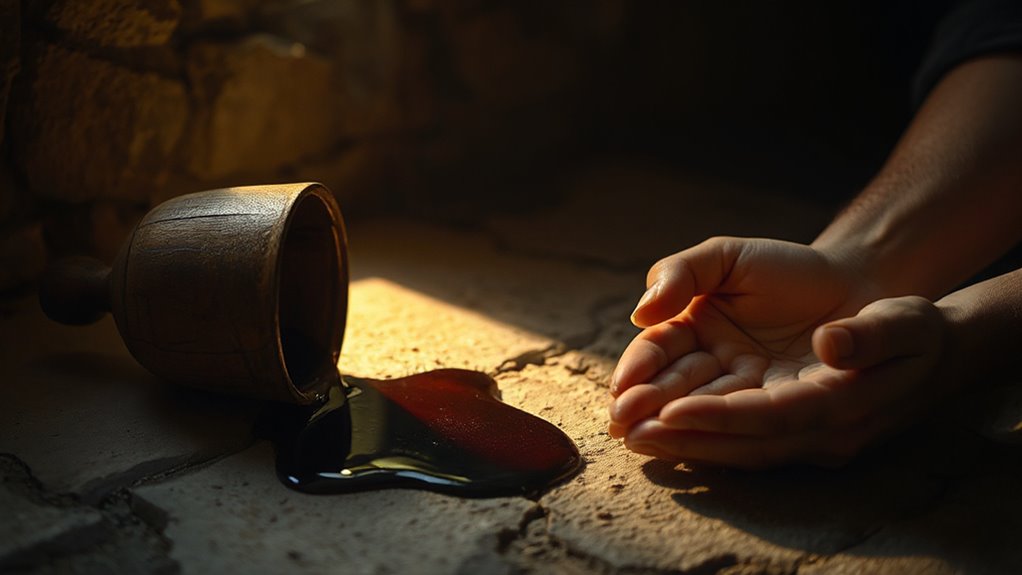
Where the Old scripture used narrative and poetry to address drunkenness, the New scripture addresses it through direct instruction, church standards, and kingdom warnings.
Paul’s letter to the Ephesians commands believers not to get drunk with wine, linking intoxication directly with debauchery rather than Spirit-filled living.
First Corinthians identifies drunkards as people the church should neither affirm nor share meals with, framing the issue as a matter of community order.
Galatians and First Corinthians both warn that those who practice drunkenness will not inherit God’s kingdom.
Leadership standards in Timothy and Titus require overseers and deacons to be sober and self-controlled.
Across these texts, drunkenness is consistently presented as incompatible with Christian maturity, spiritual vigilance, and holy conduct. Peter’s first letter groups drunkenness alongside sensuality and drinking parties as behaviors belonging to a former way of life that believers have left behind.
Deacons, in particular, are held to a standard that forbids being addicted to much wine, distinguishing between occasional use and the kind of habitual consumption that disqualifies a person from serving in the church. A likely historical context for these instructions is the early church’s formation in the late first and early second centuries, influenced by wider social and religious norms about sobriety and public conduct calendar influence.
What Are the Consequences of Drunkenness in the Bible?
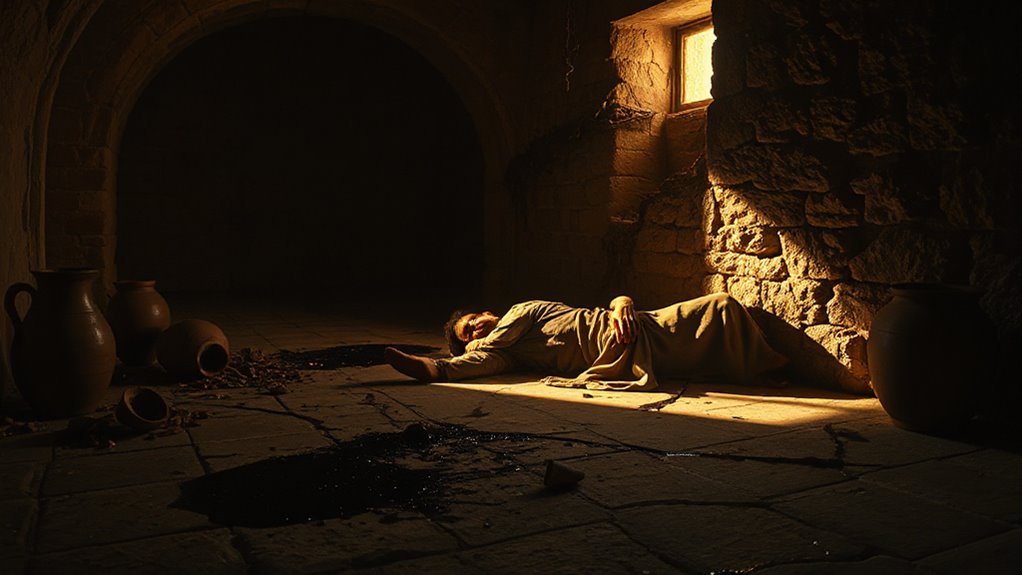
Across both covenants, the Bible presents drunkenness as carrying consistent and serious consequences. Proverbs 20:1 warns that alcohol leads people away from wisdom, while Proverbs 23:29–35 describes how it distorts thinking and perception. The consistent biblical concern reflects the broader warning against behaviors that separate believers from God’s holiness.
Moral failure often follows, as seen in Genesis 9:21, where Noah’s drunkenness led to nakedness and shame, and in Genesis 19:30–36, where Lot’s intoxication resulted in incest.
Beyond personal disgrace, drunkenness is linked to addiction and lost self-control, with Proverbs 23:35 ending with a craving for more drink.
Ephesians 5:18 connects intoxication with reckless behavior.
The spiritual stakes are equally serious: 1 Corinthians 6:10 and Galatians 5:21 both list drunkards among those excluded from inheriting God’s kingdom, framing drunkenness as incompatible with righteous living. In Daniel 5, Belshazzar’s drunken feast using sacred temple vessels brought divine judgment, and Babylon fell that very night.
Luke 21:34 warns believers against allowing drunkenness to weigh down their hearts, cautioning that the day of judgment may spring upon them suddenly like a snare.