
The Bible defines fornication as sexual activity outside marriage, using the Greek term *porneia* in the New Testament and Hebrew words like *zanah* in the Old Testament. Scripture lists fornication among serious sins in passages such as Matthew 15:19, Romans 1:29, and Colossians 3:5. Multiple warnings appear throughout both covenants, including 1 Corinthians 6:9 and Galatians 5:19, which state that unrepentant fornicators will not inherit God’s kingdom. The sections below explore these scriptural perspectives and their theological implications in greater detail.
Key Takeaways
- Fornication (Greek: porneia) refers to sexual activity outside marriage and is consistently condemned throughout Scripture.
- Biblical passages warn that unrepentant fornicators will not inherit God’s kingdom and face divine judgment.
- The seventh commandment prohibits adultery, protecting marriage sanctity and family integrity as divine institutions.
- Scripture uses fornication figuratively to describe idolatry and spiritual unfaithfulness toward God.
- Historical biblical judgments on Sodom, Gomorrah, and Mosaic Law penalties underscore fornication’s severe consequences.
What Fornication Means in Biblical Terms

In biblical texts, fornication functions as a all-encompassing term describing sexual activity that occurs outside the covenant of marriage, encompassing behaviors ranging from adultery and premarital relations to prostitution and incest. The Greek word *porneia*, from which the English term “pornography” derives, serves as the primary New Covenant expression for this concept. Koine Greek was the common language of the New Testament and helped shape how terms like porneia were understood in early Christian communities, particularly across the Hellenistic world Koine Greek.
Hebrew terms like *zanah* and *taznuth* originally referenced prostitution but expanded to include broader sexual transgressions. Modern translations render *porneia* variously as “sexual immorality,” “marital unfaithfulness,” or “infidelity,” depending on the translation approach.
Jesus identified fornication among corrupting sins originating from the human heart in Matthew 15:19, while the Apostle Paul cataloged it alongside serious transgressions in Romans 1:29 and Colossians 3:5, establishing its significance in Christian moral teaching. The seventh commandment, “You shall not commit adultery”, protects family integrity and preserves the sanctity of the marriage union. Beyond literal sexual acts, fornication also carries figurative meanings of idolatry, describing Israel’s spiritual unfaithfulness when the nation engaged in illegal contact with foreign gods.
Biblical Consequences and Warnings About Fornication

Throughout Scripture, fornication appears among the most severely warned-against behaviors, with consequences described in both temporal and eternal terms. Paul states in 1 Corinthians 6:9 and Galatians 5:19 that unrepentant fornicators will not inherit the kingdom of God, categorizing it as a mortal sin that brings divine wrath without repentance (Ephesians 5:3-7). The Catholic canon includes books from the Septuagint that also address sexual immorality and ethical living Deuterocanonical texts.
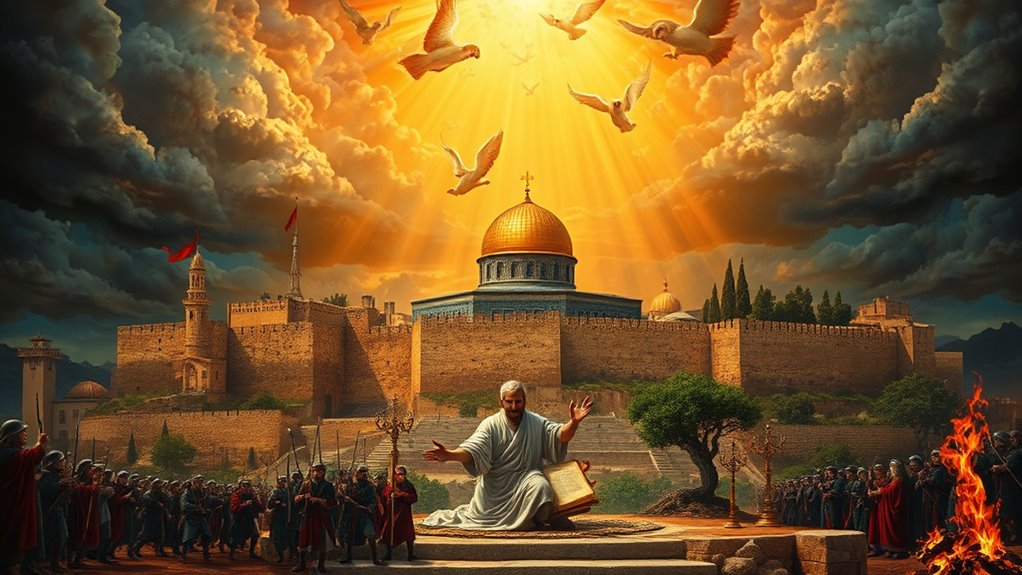
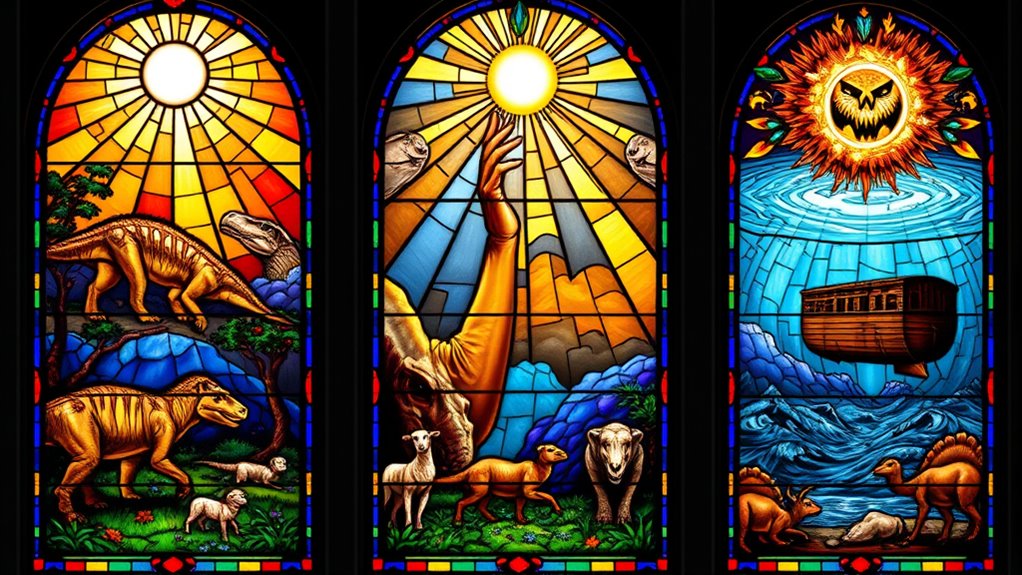
Historical accounts reinforce the gravity: Sodom and Gomorrah faced destruction by fire for sexual immorality (Genesis 19:1-29), and Mosaic Law prescribed death for certain violations (Deuteronomy 22:23-24). The Old Testament Flood itself came as judgment when widespread fleshly delights led to such corruption that God destroyed all mankind except eight persons (Genesis 6-7).
Beyond eternal judgment, Proverbs 6:32 warns that adultery “destroys self,” indicating personal ruin. The New covenant extends these warnings, with Hebrews 13:4 declaring that God judges fornicators and adulterers, while Revelation 21:5-8 lists sexual immorality among sins preventing kingdom entry. Revelation 22:14-16 further warns that fornicators are placed outside the city along with other evildoers.