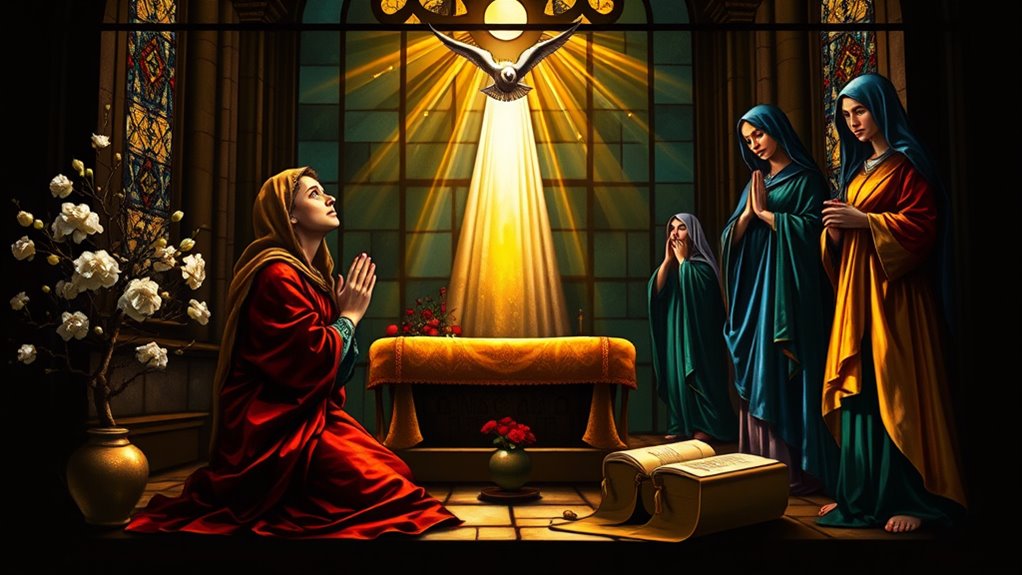
The Bible presents children as a gift from God rather than a human achievement. Genesis 1:28 introduces the command to “be fruitful and multiply,” a mandate repeated after the flood in Genesis 9:1. Psalm 127:3 calls children “a heritage from the LORD” and their arrival something received, not earned. Scripture also addresses barrenness honestly, as seen in the stories of Hannah and Sarah. The topics of blessing, childlessness, and divine purpose each carry more depth beneath the surface.
Key Takeaways
- God commanded humanity to “be fruitful and multiply,” establishing childbearing as a foundational purpose from Creation onward.
- Children are described as a heritage and reward from God, received as gifts rather than personal achievements.
- Childbearing is rooted in marriage, with the “one flesh” union serving as the proper context for having children.
- Barrenness appears repeatedly in Scripture, with God shown intervening compassionately in the lives of women like Sarah and Hannah.
- Having children is presented within a covenant framework, connecting family life to God’s broader provision and blessing.
What the Bible Says About Having Children
The Bible addresses the subject of having children from its earliest pages, beginning with a direct command in Genesis 1:28 for humankind to “be fruitful and multiply, and fill the earth.” That same instruction appears again in Genesis 9:1, given to Noah and his sons after the flood, suggesting the theme carries weight across major turning points in the biblical story.
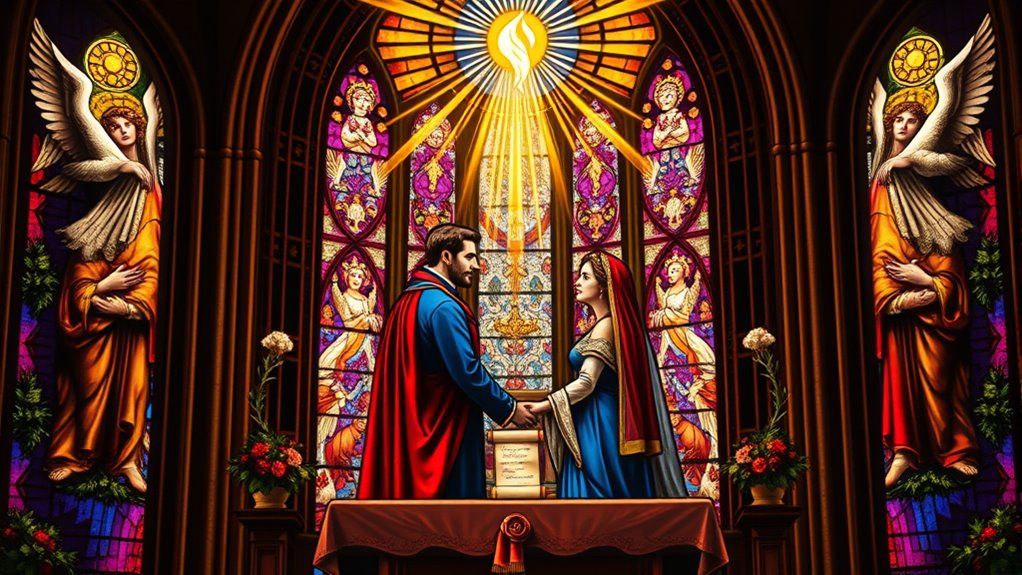
Scripture also presents childbearing within the context of marriage, as established in Genesis 2:24, with the first birth narrative following in Genesis 4:1-2. The naming of key figures often highlights themes of divine salvation and purpose throughout biblical genealogies.
Childbearing in Scripture is rooted in marriage, with the first birth following directly from the first union.
Psalm 127:3-5 describes children as part of household life, while Proverbs 17:6 connects grandchildren and parents across generations.
Together, these passages frame having children not as incidental, but as woven into the broader pattern of human life the Bible describes. Psalm 139:13-16 adds that God is personally involved in this process, describing how he “knit together” each person in their mother’s womb before a single day of their life had come to pass.
James 1:17 reminds readers that “every good and perfect gift” is from above, underscoring the biblical view that children are a divine gift rather than merely a human achievement.
Children as a Blessing, Not a Measure of God’s Favor
Among the passages most often cited on this topic, Psalm 127:3 stands out for its direct language: “Children are a heritage from the LORD, offspring a reward from him.” The verse frames children as received rather than earned, placing their origin in divine generosity rather than human effort. The Church often points readers to NABRE for the liturgical English rendering of this passage.
Proverbs 17:6 extends this picture, describing grandchildren as “the crown of old men,” linking family generations with honor rather than obligation.
Theological commentary on Psalm 127:3 notes, however, that the blessing language does not suggest childless couples lack God’s favor.
Psalm 5:12 broadens the framework further, describing God’s favor surrounding the righteous regardless of family size.
Scripture consistently presents children as a gift to receive with gratitude, not a scorecard measuring personal spiritual standing. The phrase “fruit of the womb” in Psalm 127:3 is understood as a general expression that includes both sons and daughters, reflecting the broader scope of God’s provision across family life.
Deuteronomy 28:4 reinforces this theme by declaring that the fruit of the womb will be blessed, connecting the gift of children directly to God’s covenant provision for His people.
What the Bible Says About Childlessness
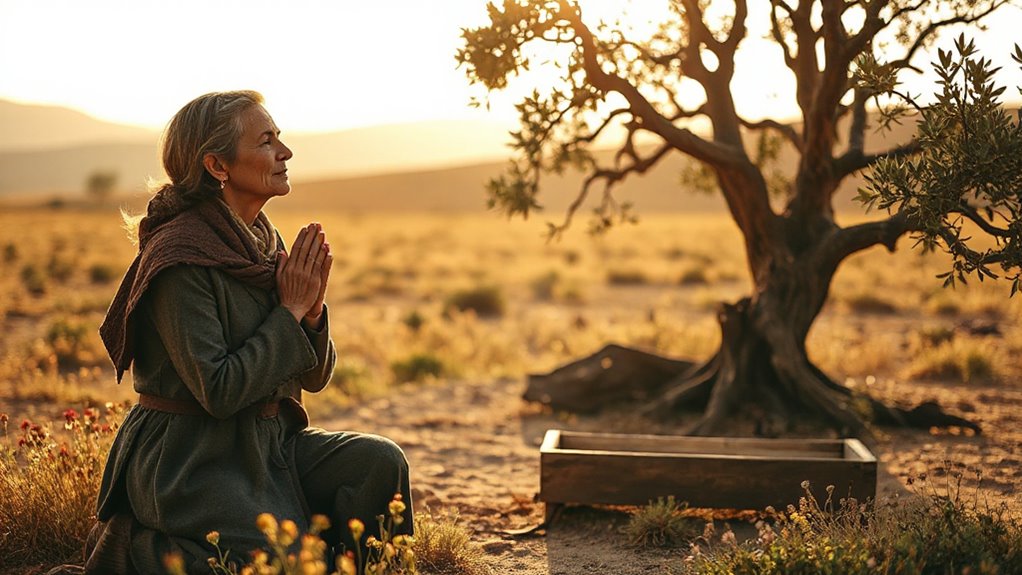
Alongside the Bible’s portrayal of children as a gift comes an equally sustained attention to those who waited long for that gift, or never received it at all. Sarah, Rebekah, Rachel, and Hannah each faced barrenness, and their stories appear across Genesis and 1 Samuel as a recurring pattern rather than an isolated event.
Hannah’s grief in 1 Samuel 1 is portrayed with particular depth, intensified by Peninnah’s provocation.
In many accounts, prayer precedes conception, framing childbirth after barrenness as divine response rather than chance. Isaac prayed to the LORD on behalf of Rebekah, and scripture records that the LORD answered, after which she became pregnant. Catholic tradition also highlights how such answered prayers fit within a broader understanding of sacramental life and divine grace.
Psalm 113:9 describes God giving the barren woman a home and children.
Isaiah 54:1 extends the image further, using barrenness as a metaphor for restoration.
The Bible treats childlessness seriously, neither dismissing the pain nor leaving it without hope. Rachel’s anguish over bearing no children led her to become jealous of her sister, a conflict that illustrates how deeply childlessness could fracture relationships within a household.