









The Bible uses “pot” to translate several distinct Hebrew and Greek terms, each tied to a specific purpose. Vessels like *sîr* served for boiling, while others appeared in temple worship and Passover sacrifice. The word appears 46 times across Scripture. Beyond practical use, clay pottery carries theological weight—Jeremiah 18 and Romans 9:20–21 use the potter’s vessel to illustrate God’s authority over human life. The sections below explore each layer further.
Key Takeaways
- “Pot” in the Bible translates multiple Hebrew and Greek terms, each referring to different vessels shaped by their specific function and context.
- Biblical pots served practical household cooking purposes, described as wide-mouthed containers used for boiling and simmering daily meals.
- Scripture records pots used in sacred worship, including boiling Passover offerings and temple altar ministry alongside shovels and bowls.
- Zechariah 14:20–21 envisions ordinary cooking pots becoming holy to the Lord, elevating everyday objects to sacred significance.
- Jeremiah 18 and Romans 9:20–21 use the potter and clay image to emphasize God’s sovereign authority to reshape and remake humanity.
The Biblical Meaning of “Pot”
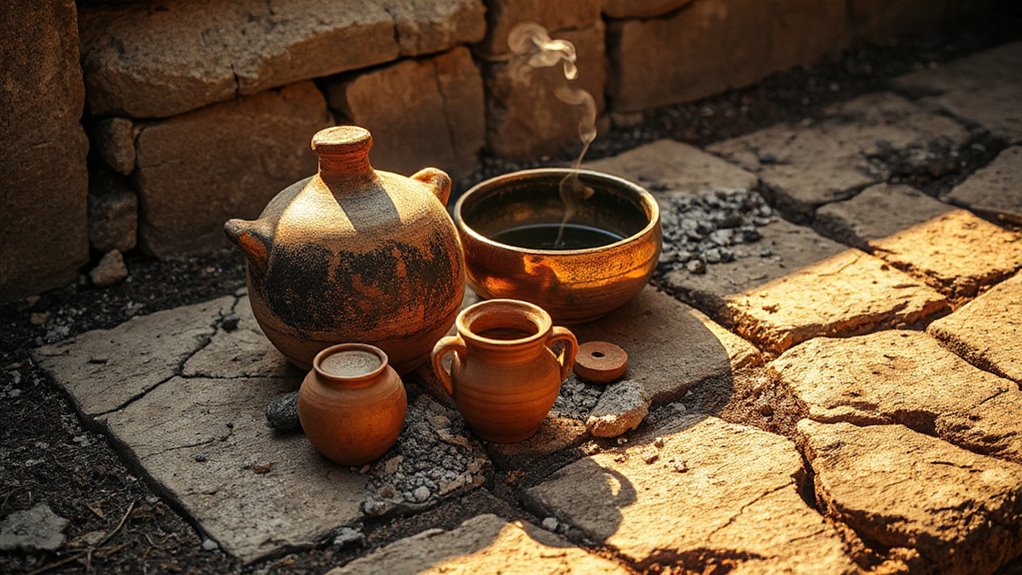
When the Bible uses the word “pot,” it does not point to a single, fixed object. Instead, it serves as a broad translation covering several distinct Hebrew and Greek terms, each shaped by its own context and function.
One vessel might hold boiling broth, another might store oil, and a third might collect ash. Many of these terms correspond to vessels used in both daily life and ritual practice within ancient Israel.
Each vessel carried its own calling — one for the fire, one for the oil, one for the ash.
The Hebrew word *sîr*, for example, typically refers to a boiling vessel, while *tsintseneth* describes the jar used to preserve manna in the wilderness.
Translators also render related terms as “jar,” “bowl,” “caldron,” or “kettle,” depending on the passage.
Biblical writers defined these objects by their purpose rather than their shape, which means understanding any single reference requires attention to the surrounding literary and historical context.
Ordinary pots among the Israelites were commonly made of clay, with brazen pots also existing, particularly in sanctuary settings.
The word “pot” appears 46 times across Scripture, reflecting how deeply woven these vessels were into the fabric of daily, ritual, and symbolic life in the biblical world.
How Biblical Pots Were Used for Cooking, Sacrifice, and Temple Worship
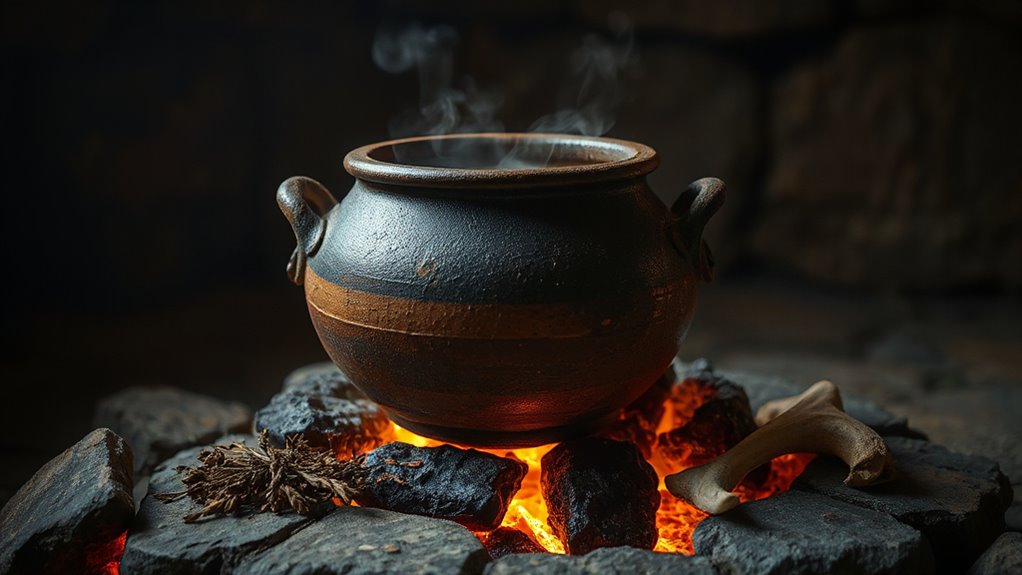
Pottery vessels shaped daily life in ancient Israel long before they entered the temple. Households used earthenware pots for boiling, simmering, and preparing food as part of ordinary daily routines.
These wide-mouthed containers handled heat well and suited practical cooking needs. Over time, pots also appeared in sacrificial settings. Jesus and others in first-century Palestine would have commonly encountered such vessels in everyday life and worship, often speaking about them in Aramaic-speaking communities.
First Samuel 2:13–14 describes priests’ servants using forks while meat boiled in pans, kettles, caldrons, and pots.
Second Chronicles 35:13 records holy offerings being boiled in similar vessels during Passover.
Temple inventories also listed bronze pots alongside shovels and bowls used in altar ministry.
Second Kings 25:14 notes their removal during Jerusalem’s destruction.
Zechariah 14:20–21 later envisioned ordinary cooking pots becoming holy to the Lord, connecting everyday vessels directly to sacred worship. The ESV renders a key clause as all who sacrifice may come and take of them to boil the meat of the sacrifice. Some translations render the final verse’s closing figure as a Canaanite in the house of the Lord rather than a trader, reflecting differences in how the underlying term was interpreted across versions.
The Theology of Clay: What Pottery Reveals About Human Frailty and God’s Authority
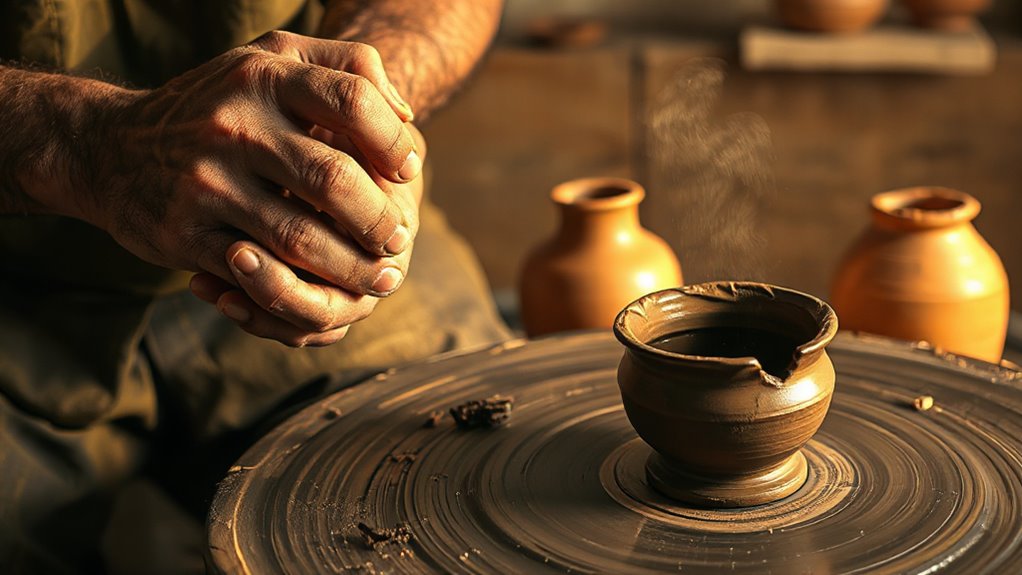
Beyond its practical role in cooking and temple worship, clay in the Bible carries a second and deeper function: it becomes a theological image for human identity, frailty, and the authority of God.
Jeremiah 18 pictures a potter reworking a spoiled vessel, suggesting that divine authority includes both dismantling and remaking. When the clay was marred, the potter did not discard it but instead formed it into another pot, demonstrating purposeful transformation rather than abandonment. The image parallels the biblical theme of God’s sovereign role as creator and sustainer, reflecting the doctrine that God is one who shapes history and people as Creator.
Isaiah 64:8 frames humanity as “the work of your hand,” locating identity in belonging rather than self-determination.
Isaiah 45:9 and Romans 9:20-21 warn against questioning the maker, emphasizing that authority belongs to the one who forms, not the one formed.
The clay metaphor consistently presents human life as contingent and dependent.
Rather than diminishing human dignity, however, these passages quietly reframe dependence as a virtue, inviting trust in purposeful divine shaping rather than resistance to it.
Paul echoes this in 2 Corinthians 4:7, describing believers as jars of clay carrying divine treasure, a reminder that extraordinary power belongs to God rather than to the vessel itself.