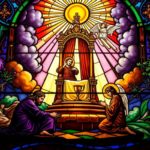






The Bible treats regret as a layered emotion tied to sin, loss, and grief. Scripture distinguishes two kinds of sorrow in 2 Corinthians 7:10: godly sorrow, which leads to repentance and salvation, and worldly sorrow, which leads to death. David’s confession after Nathan’s rebuke illustrates the first path; Judas illustrates the second. Regret, in biblical terms, is not a dead end but a crossroads, and understanding that distinction changes everything about where it leads.
Key Takeaways
- Scripture portrays regret as layered sorrow connected to sin, loss, and grief, sometimes leading toward change and sometimes toward destruction.
- Genesis 6:6–7 applies regret language to God anthropomorphically, describing His grief over humanity’s widespread wickedness.
- 2 Corinthians 7:10 distinguishes godly sorrow, which leads to repentance and salvation, from worldly sorrow, which leads to death.
- David’s confession after Nathan’s rebuke illustrates regret leading to forgiveness, while Judas demonstrates remorse without repentance ending in destruction.
- Honest confession before God begins the restoration process, with God remaining faithful to forgive and cleanse unrighteousness upon confession.
What Does the Bible Actually Say About Regret?

Regret appears throughout Scripture not as a single, neat emotion but as a layered response to sin, loss, and grief. The Bible portrays it sometimes as deep personal sorrow, sometimes as a conviction that leads toward change, and occasionally even as language applied to God himself.
Regret in Scripture is not one emotion but many — sorrow, conviction, and grief woven together.
In Genesis 6:6–7, God is described as regretting the creation of humanity, a passage Christian sources explain as anthropomorphic language describing divine grief over widespread wickedness. This passage is sometimes discussed in relation to how Scripture speaks of the distinct persons within the Godhead, particularly the personhood of God.
Peter’s bitter weeping after denying Jesus captures human regret tied to genuine failure.
Significantly, some Christian teaching sources point out that regret itself is never explicitly labeled a sin in Scripture. Instead, biblical texts consistently treat regret as a possible starting point, one that can move a person toward repentance, confession, and restoration rather than permanent self-condemnation.
Second Corinthians 7:9–11 draws a sharp distinction between the two, teaching that godly sorrow brings repentance that leads to salvation and leaves no regret, while worldly sorrow brings death. Judas illustrates the destructive end of worldly sorrow, as his regret over betraying Jesus led not to repentance but to returning the blood money and suicide, demonstrating that regret without repentance ultimately leads to death.
Godly Sorrow vs. Worldly Sorrow: Which One Are You Experiencing?

Scripture distinguishes between two very different kinds of sorrow, and understanding that difference matters for anyone trying to make sense of guilt and regret. In 2 Corinthians 7:10, Paul draws a clear line: godly sorrow leads to repentance and salvation, while worldly sorrow leads to death.
Godly sorrow centers on God, producing grief over offending His holiness rather than mourning personal consequences. It results in genuine change, freedom, and hope. Catholics teach that such repentance is connected to sacramental confession, which helps restore the believer to full communion with God and the Church.
Worldly sorrow, by contrast, focuses inward, fixating on lost reputation, missed pleasures, or embarrassment. It fades before real transformation occurs, often cycling a person back into the same patterns.
Judas Iscariot illustrates this outcome, experiencing remorse without repentance. Recognizing which sorrow is at work helps clarify whether regret is producing life or simply prolonging pain. Like a stagnant reservoir, worldly sorrow builds up murkiness with no outlet, leaving sin to define personal reality rather than grace.
David, after Nathan’s rebuke, confessed his sin and received God’s forgiveness, demonstrating that godly sorrow restores the broken relationship between a repentant heart and a merciful God. True repentance, as seen in David’s response, produces observable fruit rather than lingering in despair.
How to Move From Regret to Repentance and Spiritual Restoration

The path from regret to spiritual restoration follows a clear biblical sequence, beginning not with self-improvement but with a particular kind of sorrow.
Godly sorrow, as described in 2 Corinthians 7:10, produces repentance leading to salvation without regret.
Godly sorrow does not leave us in our mistakes — it moves us toward freedom and lasting change.
Unlike passive regret, which dwells on mistakes without movement, active repentance involves a deliberate decision to change direction.
The first step requires honest confession before God.
Scripture states that God remains faithful and just to forgive sins and cleanse all unrighteousness upon that confession.
Repentance then redirects the energy of regret toward growth.
God, in turn, redeems what was lost and removes the weight of past failure from a person’s identity.
The process concludes with self-forgiveness and pressing forward in renewed relationship with God. God’s promise in Joel 2:25 offers assurance that years lost to locusts will be restored.
Peter’s denial of Jesus and his subsequent restoration by Christ illustrates that regret leads to restoration when a person turns back to God rather than away from Him.
Regular, honest prayer practices can help sustain the repentance process, especially when grounded in Scripture passages that guide confession and renewal.