

The Bible consistently treats contact with the dead as forbidden. Deuteronomy 18:10-13 calls practices like necromancy and mediumship abominations, while Leviticus 19:31 directly commands avoidance of such activity. Ecclesiastes 9:5 describes the dead as knowing nothing, and 1 Timothy 2:5 identifies Christ alone as mediator between God and humanity. Isaiah 8:19 redirects those seeking guidance toward God rather than spirits. Those curious about why God takes this position, and what He offers instead, will find clear answers ahead.
Key Takeaways
- The Bible explicitly forbids contacting the dead, with Deuteronomy 18:10-13 calling such practices abominations alongside witchcraft and divination.
- Ecclesiastes 9:5 describes the dead as knowing nothing, suggesting communication with them is impossible or spiritually deceptive.
- 1 Timothy 2:5 establishes Christ as the sole mediator between God and humanity, eliminating any need for the dead as intermediaries.
- Isaiah 8:19 redirects believers away from consulting spirits, urging them to seek God directly as their true source of guidance.
- Christians are warned that deceptive spirits may impersonate the dead, making God’s direct provision through prayer and Scripture sufficient.
What Does the Bible Actually Say About Talking to the Dead?
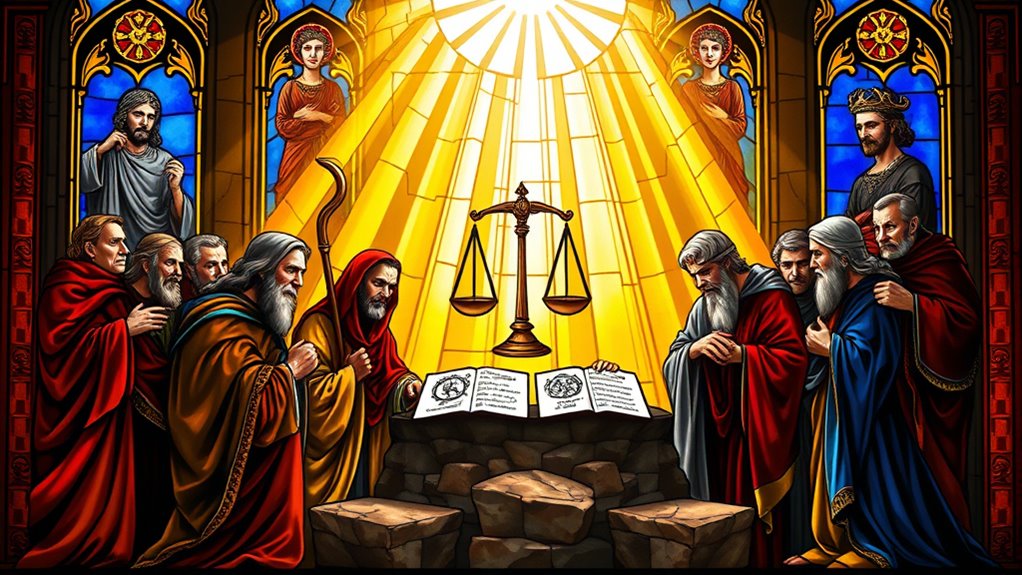
When people wonder what the Bible says about talking to the dead, the answer begins with a cluster of direct prohibitions found in the Hebrew scriptures. Deuteronomy 18:10-13 forbids divination, mediumship, and necromancy, labeling such practices an abomination.
Leviticus 19:31 reinforces this by commanding people to avoid mediums and necromancers entirely.
Isaiah 8:19 redirects the question altogether, urging people to seek God rather than consult the dead on behalf of the living.
Beyond direct commands, the Bible also addresses the condition of the dead themselves. Ecclesiastes 9:5 states the dead know nothing, and Psalm 115:17 notes they do not praise the Lord. Resurrected individuals such as Lazarus, Tabitha, and Eutychus offered no recollection of death, saying nothing about where they had been or what they had seen. Observations about ancient cosmology and language show how cultural context shaped such descriptions of death and afterlife, including references to the condition of the dead.
1 Timothy 2:5 further clarifies that there is one mediator between God and humanity, the man Christ Jesus, leaving no scriptural role for the dead to serve as intercessors or spiritual go-betweens.
Together, these passages form a consistent scriptural position discouraging contact with the dead through any spiritual or occult means.
Why Does God Forbid Contacting the Dead?

The Bible’s prohibitions against contacting the dead are clear, but the reasons behind them reveal something deeper than ritual restriction.
Scripture frames the practice as a question of allegiance. Deuteronomy 18:10-12 groups it with witchcraft and divination, calling it an abomination not because of method alone, but because it bypasses God as the proper source of guidance.
Isaiah 8:19 redirects inquiry toward God rather than spirits, suggesting the real issue is misplaced trust.
Christian interpreters also warn of spiritual danger, noting that deceptive forces may imitate the dead to mislead seekers.
The consequences were serious under covenant law, as 1 Chronicles 10:13-14 shows in Saul’s case.
The prohibition functions as both spiritual protection and a call toward faithfulness. Some theologians draw a distinction between forbidden occult consultation and other forms of interaction across death, arguing the biblical ban targets the occultic sort of contact rather than serving as a blanket prohibition on all communication between the living and the dead.
Scripture affirms that one mediator, Jesus Christ stands between humanity and God, making the pursuit of the dead for divine access not only unnecessary but a rejection of the provision God has already made. A historical consensus places Jesus’ birth within a narrow timeframe tied to Herod’s reign, which helps date New Testament contexts and informs how early Christian practices developed around authority and revelation, including attitudes toward Herod’s reign.
What Does God Provide Instead of Contact With the Dead?

Rather than leaving a void where the prohibition stands, Scripture points to several concrete alternatives that God provides in place of contact with the dead.
First, God has already supplied Moses, the prophets, and ultimately Jesus as sufficient sources of guidance. Jesus’ parable of Lazarus and the rich man reinforces this, presenting existing revelation as enough for instruction and warning. Catholics and other Christians alike look to Scripture and Tradition as foundational guides.
Second, believers are directed to pray to God directly, with OpenBible noting that access to the Father comes through Christ alone.
Third, GotQuestions connects the hope of future reunion in heaven to Revelation 21:4, which promises an end to death and mourning.
Finally, Desiring God emphasizes that God’s providence and comfort make any other channel unnecessary, offering sufficient grace for grief and guidance. Scripture warns that deceitful spirits and demons may masquerade as the dead, making God’s direct provision all the more essential. John Piper further grounds this sufficiency in the cross, teaching that Jesus’ death pledges God’s commitment to provide believers with everything they truly need.