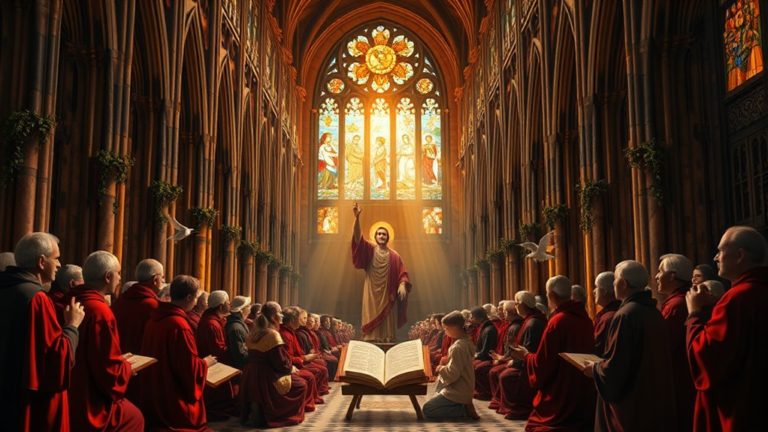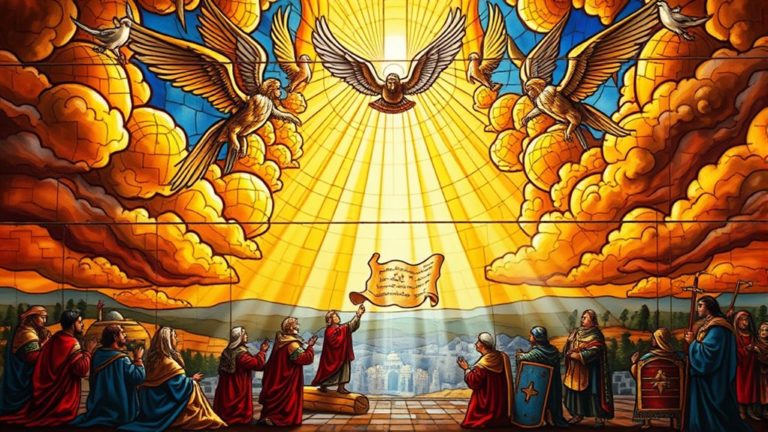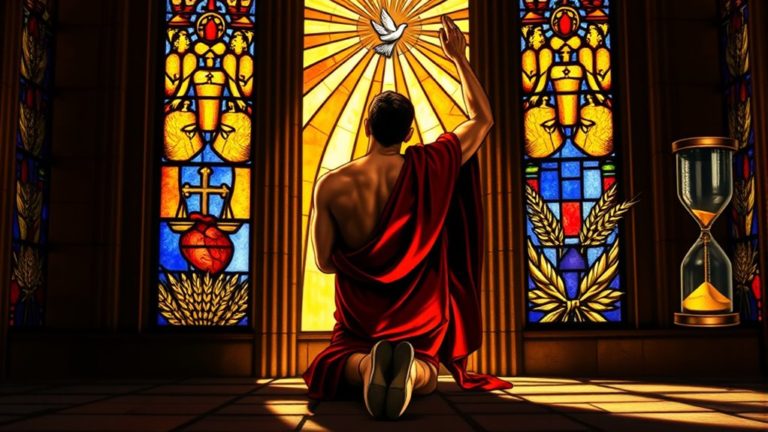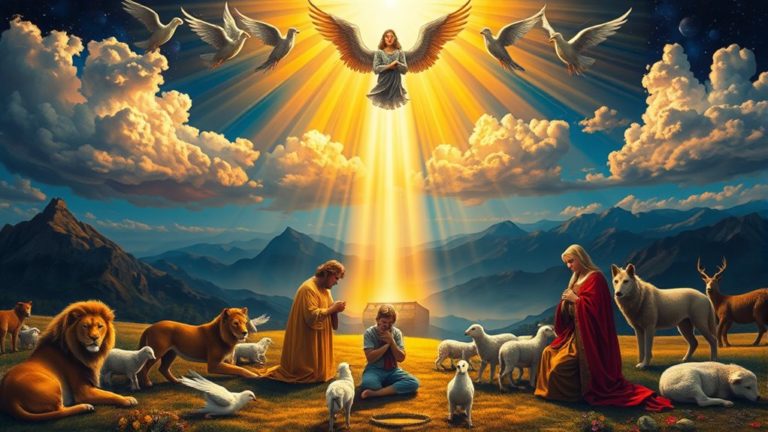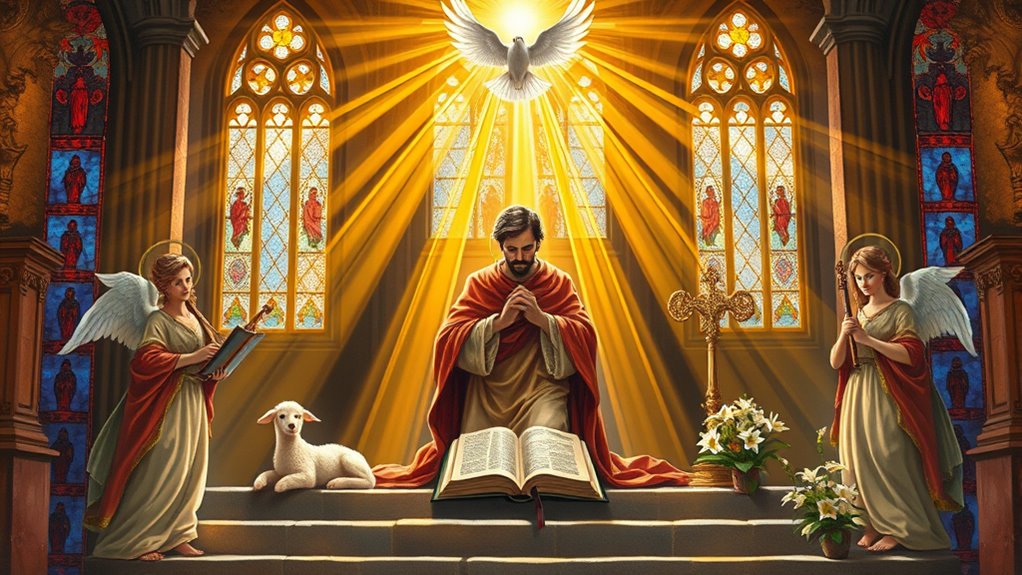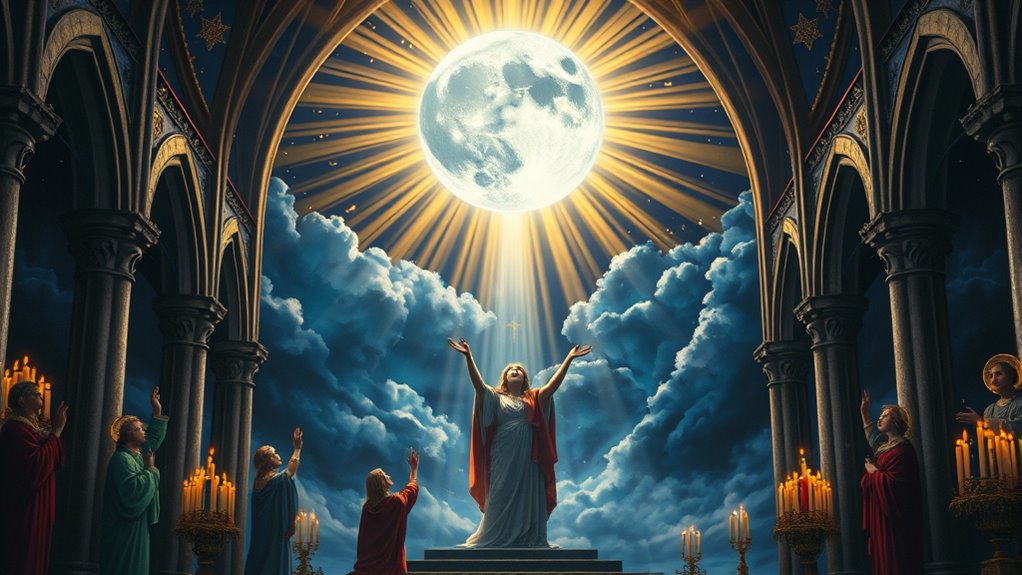
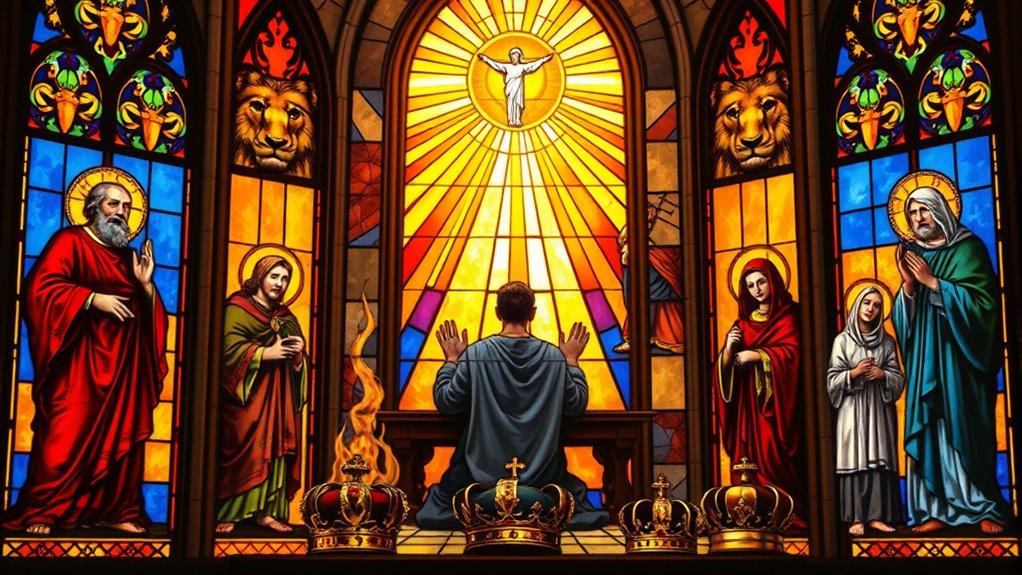
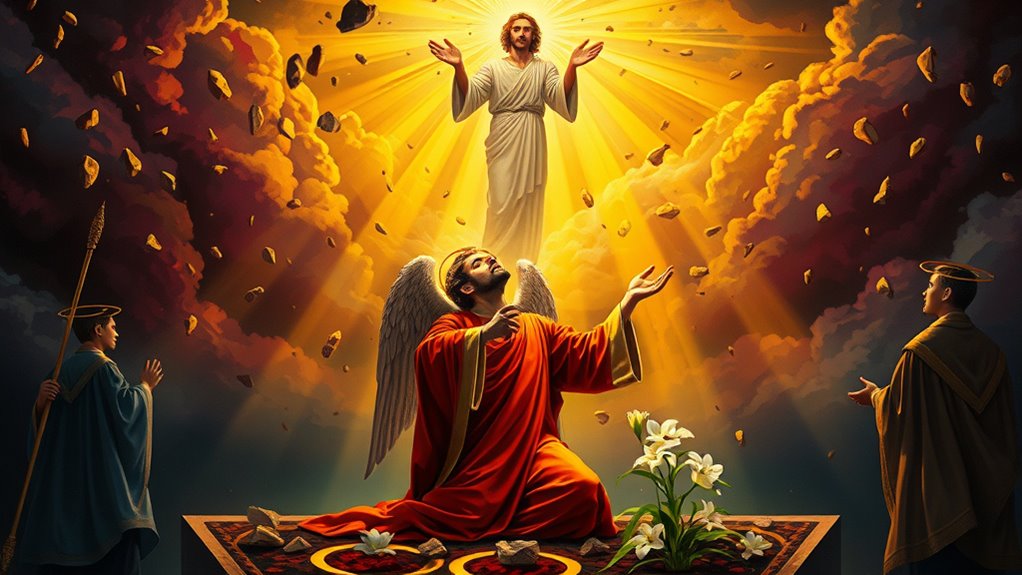
Pope Francis describes Saint Stephen’s martyrdom as a “dazzling rebirth” because early Christians viewed the deacon’s death not as tragic loss but as his *dies natalis*—his birthday into eternal life. Stephen, stoned around 34 AD after forgiving his persecutors, mirrored Christ’s sacrifice, transforming apparent defeat into spiritual victory. His radiant face before execution, described in Acts 6:15, symbolized divine glory rather than suffering. This ancient perspective frames martyrdom as passage through love into eternal light, a complete self-gift that bears lasting fruit and reveals Christianity’s deepest witness to faith’s transformative power.
Pope Francis marked the feast of Saint Stephen on December 26, 2024, by reflecting on the first Christian martyr’s death as a profound act of faith rather than defeat. Speaking at the Angelus after opening the Holy Door at Rebibbia Prison, the pontiff emphasized that Stephen’s forgiveness of his persecutors mirrored Jesus’ own sacrifice and revealed something essential about Christian witness.
The biblical account in Acts chapters 6 and 7 describes Stephen as a man of good repute, one of seven deacons chosen to serve the poor. Filled with faith, the Holy Spirit, and fortitude, he was accused of blasphemy by Jewish leaders after Christ’s ascension and stoned to death. According to Acts 7:60, Stephen died forgiving his executioners and praying for them, an act witnessed by young Saul, who later became the apostle Paul.
Early Christians called Stephen’s feast day his “dies natalis,” or birthday into eternal light. This concept frames martyrdom not as tragic loss but as dazzling rebirth. Pope Leo XIV described it as a passage illuminated by love, referencing Acts 6:15, which notes that Stephen’s face appeared like an angel’s before the council.
Martyrdom as dazzling rebirth: Stephen’s dies natalis marked not tragic loss but birthday into eternal light, his face radiant like an angel’s.
The tradition views martyrdom as complete imitation of Christ, a self-gift that bears fruit despite apparent failure. Forgiveness and reconciliation are central to this teaching, underscoring that mercy seeks restored relationships. Pope Francis drew connections to modern Christians persecuted to death for the Gospel, noting that they continue praying for their persecutors even amid violence. He invited reflection on whether believers desire salvation for all people, including those causing suffering. Statistics indicate that 20 martyred in 2023, demonstrating that persecution remains a living reality for the global Church.
This emphasis on forgiveness and love toward enemies demonstrates what the Pope called true freedom, responding to history with charity rather than vengeance. The feast falls on the second day of the Christmas Octave, and Stephen is venerated in the Roman Canon as the first martyr. From Bethlehem to martyrdom, the thread of divine calling reveals how God’s magnetic life draws humanity into humility and love.
All saints from the first four centuries were martyrs, forming what tradition calls a “white army.” Their example, the Pope suggested, prepares conversions and allows God to work miracles through faithful witness. The blood of martyrs, as the saying goes, seeds new Christians.