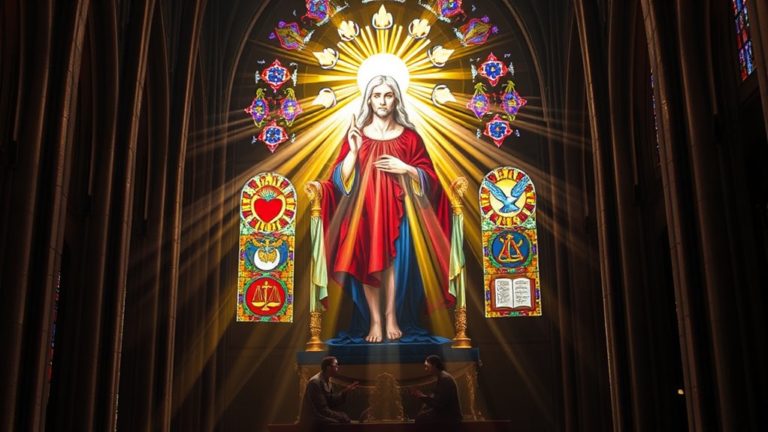


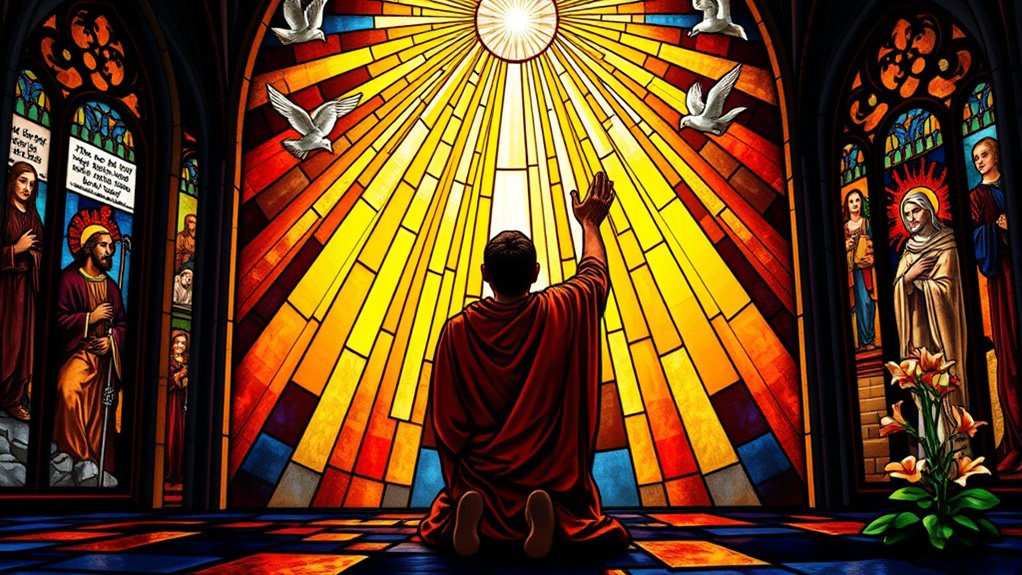



Psalm 131, a three-verse composition by David among the Psalms of Ascent, identifies pride as the primary obstacle between humanity and God. The psalm prescribes humility through three refusals: not lifting one’s heart in self-elevation, not raising haughty eyes toward others, and not occupying oneself with matters beyond human comprehension. David employs the image of a weaned child resting with its mother, no longer demanding but secure, to illustrate the soul-level contentment available when pride yields to trust. This transformation combats the restlessness and discontent that characterize proud hearts, replacing anxiety with quiet dependence on God’s timing rather than self-sufficiency. The psalm’s final verse extends this individual posture into corporate hope for Israel, suggesting broader applications for those willing to explore this ancient practice.
In the sweep of ancient literature, few texts compress the human struggle with pride into so compact a form as Psalm 131. Authored by David and classified among the Psalms of Ascent, this three-verse composition presents humility not as weakness but as the pathway to inner peace.
The opening verse establishes the terrain: a heart not lifted up, eyes not raised too high, and no occupation with matters too great or marvelous for human comprehension.
David’s choice of imagery proves deliberate. The heart not proud means refusing self-elevation or attempting to play God. Eyes not haughty translates to avoiding condescension toward others and accepting one’s position without complaint.
For a king surrounded by power and resources, these were not theoretical concerns. David specifically avoided grasping the throne prematurely, waiting instead on God’s timing despite opportunity.
The psalm identifies pride as the primary obstacle between humanity and God, the force that drove Satan’s fall and Adam and Eve’s rebellion. According to James 4:6, God actively opposes the proud.
A proud heart produces restlessness and discontent, while haughty eyes manifest as arrogance, irritability, and frustration toward others. The proud walk demands understanding all and refuses to accept personal limits, robbing God of glory through self-worship. Proverbs 18:12 teaches that pride precedes destruction while humility comes before honor.
Verse two introduces the central metaphor: a soul calmed and quieted like a weaned child with its mother. This child no longer makes demands but rests in security, having moved beyond dependence on nursing yet remaining content in presence.
The image suggests a transformation that requires divine work, since humans possess innate pride from birth. This calming reverses the noisy, disquieted soul plagued by anxiety or despondency.
The final verse extends individual humility to corporate hope, calling Israel to trust in the Lord from now and forevermore. Humility enables this hope by fostering childlike dependence over self-sufficiency.
The contemplative progression emerges clearly: humility leads to silence, which opens to hope in God. As C. S. Lewis observed, genuine humility means thinking of ourselves less rather than thinking less of ourselves.
The psalm offers a specific prescription for soul-level contentment. By trading pride for trust, by accepting limits rather than demanding omniscience, believers discover rest.
The call remains available to all willing to cultivate calm through childlike posture before God. Many biblical teachings also connect honesty and integrity as fruits of a humble heart, grounding this trust in truth and integrity.