





The Bible consistently condemns lying as a serious moral offense that contradicts God’s truthful character. Leviticus 19:11–12 and Exodus 20:16 explicitly forbid deception, while Proverbs 6:16–19 lists lying among seven things the Lord hates. Numbers 23:19 affirms that God himself does not lie, establishing divine truthfulness as the standard for human honesty. Revelation 21:8 warns that liars face severe judgment, yet Scripture offers hope through repentance: Psalm 32:5 and 1 John 1:9 promise forgiveness when deception is honestly confessed. The following sections explore these passages and practical steps toward truthfulness.
Key Takeaways
- The Bible strictly forbids lying in Leviticus 19:11–12, Exodus 20:16, and lists it among abominations God hates in Proverbs 6:16–19.
- God’s nature as truthful (Numbers 23:19) establishes truth as a divine attribute and the moral standard for human behavior.
- Revelation 21:8 warns that liars face severe eternal judgment, indicating lying is a serious moral offense, not minor.
- Repentance requires honest acknowledgment of deception, confession to God, and changed actions as evidence of genuine transformation.
- Proverbs 12:22 states God detests lying lips but delights in trustworthy people, linking truthfulness to covenant faithfulness.
What Does the Bible Say About Lying?

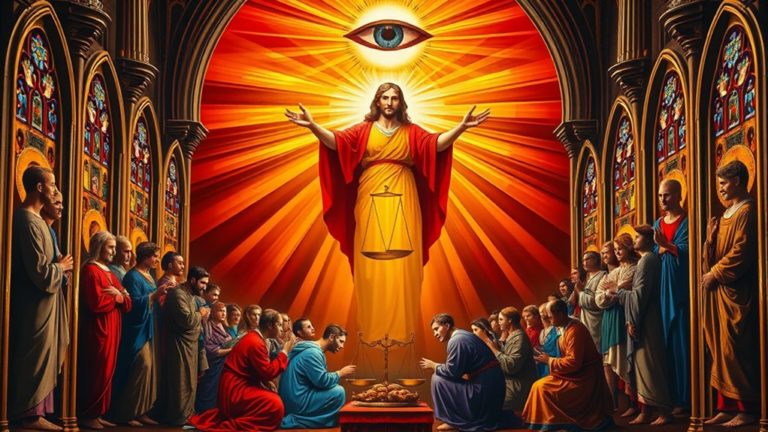
The Bible addresses lying with unmistakable clarity, treating it not as a minor social misstep but as a serious moral offense that strikes at the heart of God’s character.
Leviticus 19:11–12 explicitly forbids lying to one another, while Exodus 20:16 includes the prohibition against false witness among the Ten Commandments.
Scripture establishes truthfulness as foundational to covenant faithfulness, embedding the prohibition against deception in God’s moral law for his people.
Proverbs 6:16–19 lists lying among seven things the Lord hates, and Proverbs 12:22 states that the Lord detests lying lips but delights in trustworthy people.
Numbers 23:19 affirms that God himself does not lie, establishing truthfulness as a divine attribute.
The consequences for deception are severe: Revelation 21:8 warns that all liars will face the second death, and Proverbs 19:9 declares a liar shall be caught.
The Catholic Bible includes several books not found in many Protestant Bibles, reflecting its use of the Septuagint and the fuller canon of Scripture.
How to Repent and Stop Lying

Breaking free from a pattern of lying begins with honest acknowledgment that one has been deceiving others and oneself.
According to Psalm 32:2, this recognition requires ceasing self-righteousness and confronting sin directly. The Holy Spirit convicts hearts, awakening awareness of turning from God, as described in John 16:8.
Psalm 32:3-4 warns that unconfessed sin drains strength like summer heat, causing emotional and physical distress.
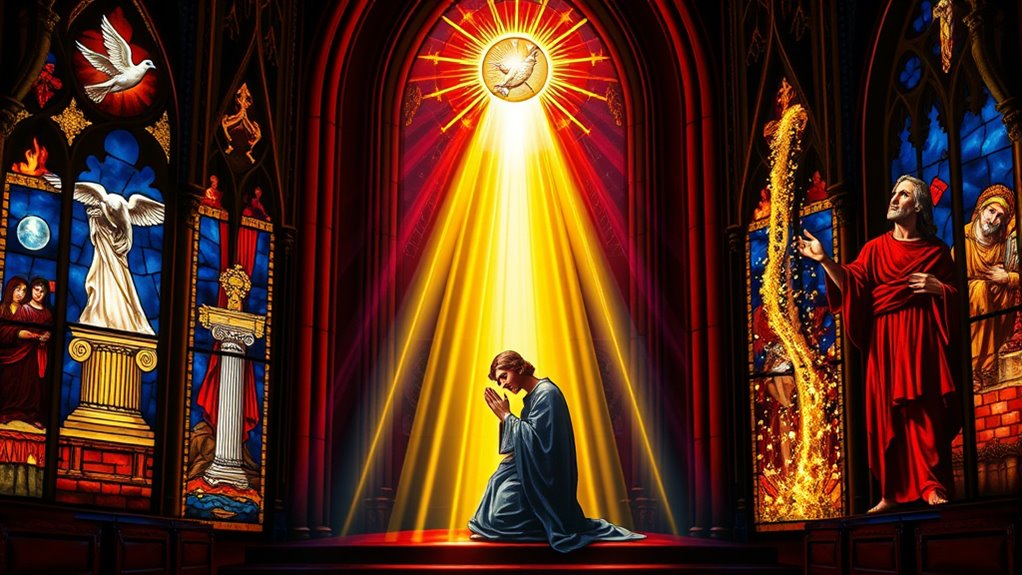
Full confession to God without concealment follows awareness, as stated in Psalm 32:5 and 1 John 1:9. Upon confession, God forgives and becomes a hiding place from trouble.
True repentance produces fruit through changed actions and thoughts, as Matthew 3:8 and Acts 26:20 explain.
Breaking deceptive habits requires identifying false beliefs, submitting them to gospel truth, and committing to Christ-like honesty.
Archaeological findings and textual preservation confirm biblical history, offering confidence that these scriptural teachings have been transmitted reliably.