






The Bible contains no verse that directly forbids secular music. No genre, instrument, or tempo is labeled ungodly in scripture. What the Bible does establish are standards for all of life — 1 Corinthians 10:31 calls believers to do everything for God’s glory, and Colossians 3:17 extends that to every word and deed. Those principles shape how Christians evaluate music. The fuller picture of how to apply those standards to specific songs and choices emerges ahead.
Key Takeaways
- The Bible contains no direct prohibition against secular music; the term itself never appears in Scripture.
- Musical style is considered amoral; no genre, instrument, or tempo is labeled sinful in biblical texts.
- Standards like 1 Corinthians 10:31 require evaluating music by whether it glorifies God.
- Lyrics carry real moral weight; content promoting sexual explicitness, degradation, or glorified sin warrants caution.
- Romans 14 places music choices under personal discernment, requiring each believer to be fully convinced.
Does the Bible Actually Forbid Secular Music?

Many Christians grow up hearing that secular music is off-limits, yet a careful reading of the Bible reveals no verse that actually forbids it. The term “secular music” appears nowhere in scripture.
No commandment restricts believers from listening to non-religious genres, and no instrument is labeled ungodly within biblical texts.
No biblical commandment forbids secular music, and scripture never designates any instrument as spiritually unclean.
Historical records in the Bible show music appearing in both sacred worship and ordinary daily life, suggesting the practice carried no automatic moral weight either way.
Scholars who study biblical literature note that the absence of explicit prohibition is itself significant.
When a topic carries genuine spiritual danger, scripture typically addresses it directly.
The silence on secular music, hence, appears deliberate, leaving room for believers to approach the subject through discernment rather than blanket restriction. Christian musicians today work across many genres, from classical to rock, rap, and reggae, reflecting that no style is inherently wrong.
Romans 14 and 1 Corinthians 8 indicate that God allows varying standards among believers, meaning different Christians may hold different personal convictions about secular music without one position being universally binding on all.
Why Glorifying God Is the Standard for All Music You Consume

Across every area of life, scripture holds believers to a single standard: doing everything to the glory of God. First Corinthians 10:31 applies this directly to ordinary actions like eating and drinking, making music consumption no exception.
Colossians 3:17 reinforces the point, instructing that every word and deed should be performed in the name of Jesus. A regular habit of reading Scripture, such as following a structured plan, helps shape how believers evaluate everyday choices like music.
Ephesians 5:19 connects this standard specifically to music, calling believers to direct psalms, hymns, and spiritual songs toward God.
The principle extends beyond worship services into daily listening habits. When a song is evaluated through this lens, the central question becomes whether it draws attention toward or away from God.
Scripture frames that question not as restrictive, but as clarifying. Christian freedom is not a license to do whatever is wanted, but rather the enablement to do what ought to be done.
Proverbs 17:4 warns that a wicked man listens to evil lips, grounding music discernment in the moral character of the source itself.
Does the Style of Secular Music You Listen to Actually Matter?
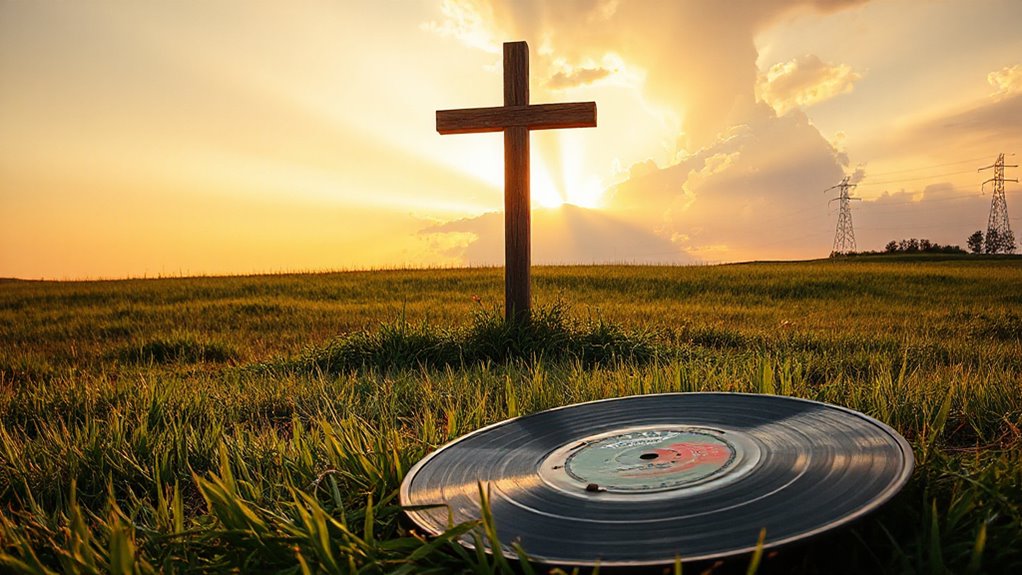
When Christians debate secular music, style often surfaces as the first concern, yet scripture never explicitly forbids a particular genre, tempo, or musical form.
Christian theology generally classifies musical style as amoral, meaning it carries no intrinsic spiritual weight on its own.
A genre cannot be labeled evil simply because of its sound.
Content, not style, functions as the primary discerning factor.
That said, caution becomes reasonable when a style consistently pairs with themes of sexual explicitness, degradation, or glorified sin.
In those cases, the style itself is not the problem; the content attached to it is.
Christians retain freedom across musical styles, guided by personal conviction and wisdom rather than a specific divine command. Scripture reflects this through worship that incorporated multiple instrument types, including strings, winds, and percussion, without designating any single category as more holy than another.
David appointed Levites as temple musicians to play instruments, demonstrating that music served worship in a structured and intentional way within God’s covenant community.
Many first-century believers would have understood worship largely in Aramaic-speaking contexts, shaping how music and liturgy were experienced.
How Should Christians Evaluate a Song’s Lyrics?

Evaluating a song’s lyrics requires more than a casual listen, because the words embedded in music carry real theological and moral weight. Christians are encouraged to assess whether a song’s message aligns with biblical truth, glorifies God, and builds genuine understanding.
Lyrics should communicate clearly, avoiding vague language that leaves the listener uncertain about meaning or intent. A song’s central message typically appears in its chorus or title, and supporting ideas should reinforce that theme consistently.
Beyond surface content, believers consider whether the song directs attention toward God’s character and works, or simply toward personal emotion. One practical method is the substitution test, where replacing the name of Jesus with an unrelated name or word reveals whether the lyrics are distinctly Christian or merely generic.
Edifying lyrics deepen knowledge, stimulate spiritual reflection, and present truth with logical structure. Applied carefully, these standards help Christians engage with music thoughtfully rather than passively. When a lyric’s meaning is unclear, evaluating the rest of the song can reveal whether the concern reflects a possible misreading or a genuine theological problem. The evaluation should also recognize core doctrines like the Doctrine of the Trinity when lyrics reference the nature of God.
How Personal Conviction Should Guide Your Secular Music Choices

How a Christian decides which secular songs belong in a personal playlist often comes down to something less visible than lyrics or genre—conviction.
Romans 14 instructs each believer to be fully convinced in their own mind regarding disputed matters, placing responsibility directly on the individual.
Scripture does not explicitly prohibit secular music, leaving these decisions to personal discernment rather than universal command.
The Holy Spirit, described in John 14:26 as a guide into truth, may produce discomfort with certain songs as a signal worth heeding.
Spiritual maturity also shapes these choices; stronger believers may navigate broader musical territory, while newer Christians often benefit from firmer boundaries.
What remains consistent across varying convictions is the standard found in 1 Corinthians 10:31—doing everything for God’s glory.
Proverbs 4:23 reminds believers to guard your heart, recognizing that music carries the power to shape thoughts and emotions in ways that can either draw a person closer to God or quietly pull them away.
Regular practice of centering prayer and honest reflection can help believers discern how music affects their hearts and spiritual lives.