
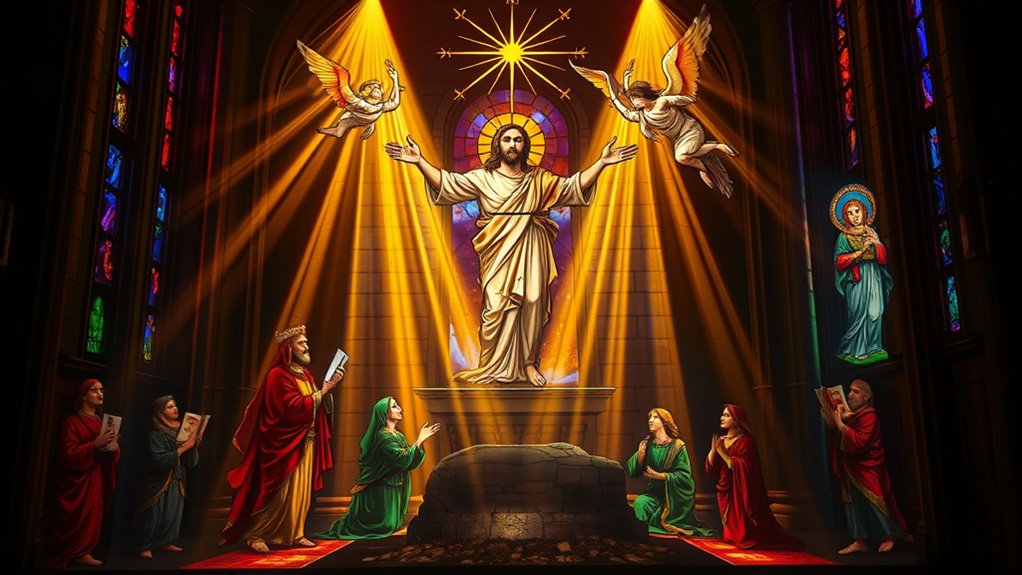
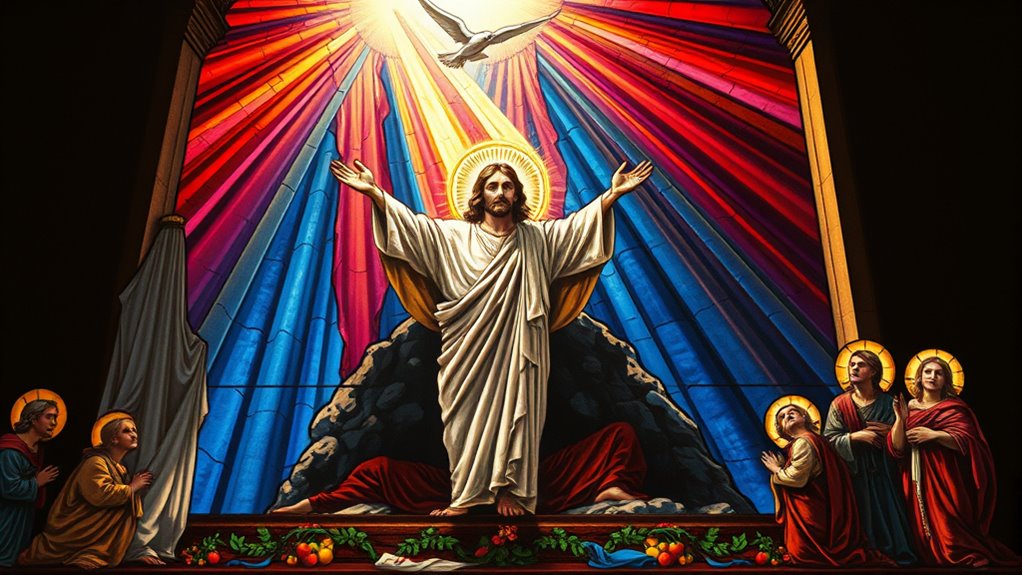
The Bible presents life as originating in God’s creative act, with Genesis 1 describing an ordered sequence of living creatures and Genesis 2:7 depicting God breathing life directly into humanity. Every human carries inherent worth because Genesis 1:26–27 establishes people as made in God’s image. Romans 5:12 traces death to sin, while John 3:16 frames Jesus as the path to eternal life. The sections below explore each of these themes further.
Key Takeaways
- God created all life deliberately and purposefully, with humans uniquely formed in His image and given inherent dignity and worth.
- Human worth is not earned through intelligence or productivity but is grounded in being made in God’s likeness.
- Sin entered through one man, causing spiritual and physical death, separating humanity from God.
- Care for vulnerable people is a moral responsibility before God, and ignorance does not remove accountability.
- Eternal life is found through Jesus Christ, defined as knowing God personally and living beyond physical death.
What the Bible Says About the Origin of Life

From there, the narrative moves through an ordered sequence, with living creatures appearing across days three through six of creation week. God speaks, and life follows.
Genesis 1:24–25 describes land animals made “according to their kinds,” suggesting deliberate design rather than random emergence.
Genesis 2:7 adds a more personal detail, describing God forming man from dust and breathing life directly into him. Uniquely among all creatures, humans were made in God’s image, reflecting qualities such as love and justice that set them apart from the animals. This account also emphasizes intentional creation as central to the biblical view of humanity.
Across both accounts, life is consistently presented as something given by God, not something that generated itself. Before any living thing appeared, the Spirit of God was hovering over the waters, present at the very starting point of creation.
Why Every Human Life Has Dignity and Worth
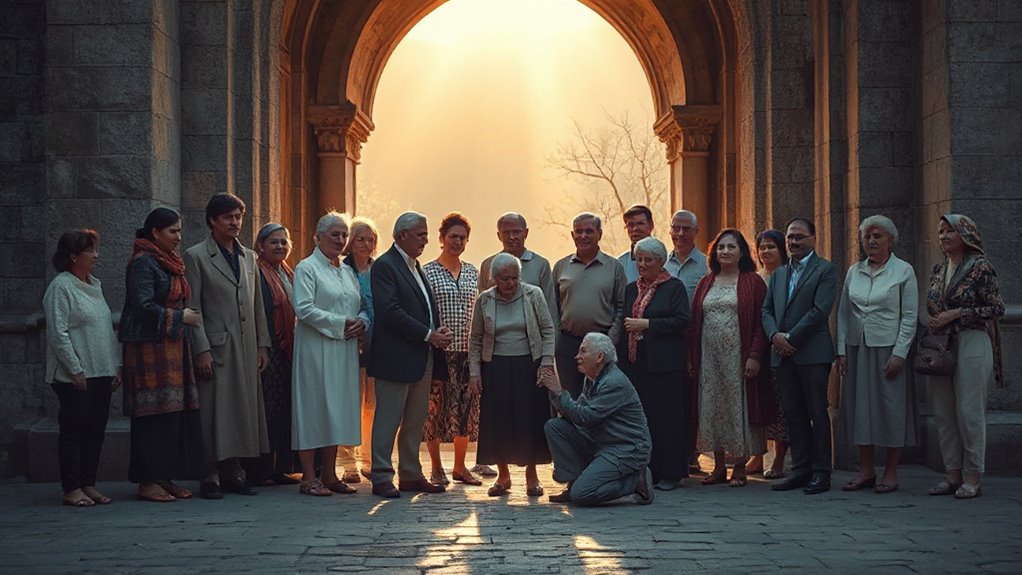
The Bible’s answer to why human life matters begins in its opening chapter. Genesis 1:26–27 describes humanity as created in the image and likeness of God, a designation applied to no other creature. This concept, often called the *imago Dei*, establishes human worth as inherent rather than earned.
Worth does not depend on intelligence, health, productivity, or social standing. Genesis 9:6 extends this logic further, grounding the prohibition against murder directly in the image of God.
Human worth is not earned through ability or achievement—it is woven into our very existence.
Because every person reflects God’s character, every person carries dignity regardless of age, ethnicity, gender, or physical condition. The Bible treats this as a creation truth, not a cultural opinion. John Wyatt argues that dignity resides in what a human is by creation, not in what a person is able to do or achieve.
Care for the vulnerable, then, becomes an act of reverence toward God himself. Proverbs 24:11–12 reinforces this by calling God’s people to rescue those dying, making clear that claiming ignorance does not remove moral responsibility before a God who weighs every heart. The location of Jesus’ crucifixion at Golgotha outside the city walls further underscores the biblical theme of bearing the consequences of sin beyond the community.
What the Bible Teaches About Sin, Death, and Human Mortality
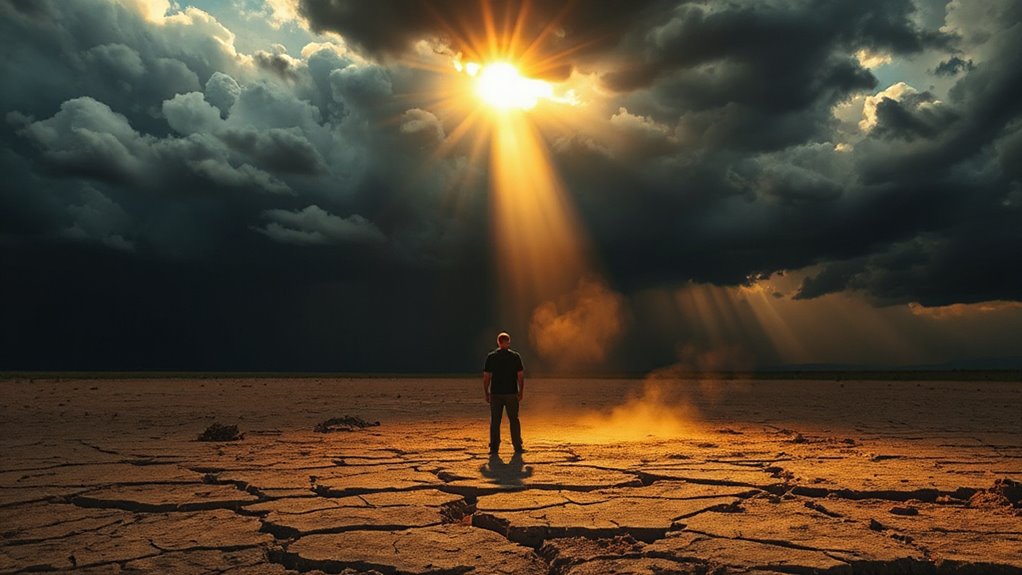
Before examining what the Bible says about hope or renewal, it addresses a more difficult question: why people suffer, decline, and die.
Romans 5:12 traces both sin and death to a single human origin, with death eventually spreading to everyone.
Genesis 3:19 describes the outcome plainly — the human body returns to dust.
This is not only physical.
Ephesians 2:1 describes people as spiritually “dead” through sin, while Isaiah 59:2 frames sin as creating separation from God.
James 1:15 adds that sin, once fully developed, produces death.
Hebrews 9:27 notes that death is appointed once, followed by judgment.
The Bible presents mortality not as a random misfortune but as a condition rooted in the broken relationship between humanity and God. Adam’s disobedience functioned as a representative act, making him the entry point through which sin and its consequences passed to all people.
Revelation 20:14 identifies the lake of fire as the second death, marking the final and complete separation from God as the ultimate consequence of sin.
This understanding also connects to the Christian claim that Jesus, as the Son of God, shares in the divine nature while remaining distinct from the Father.
How Jesus Makes Eternal Life Possible
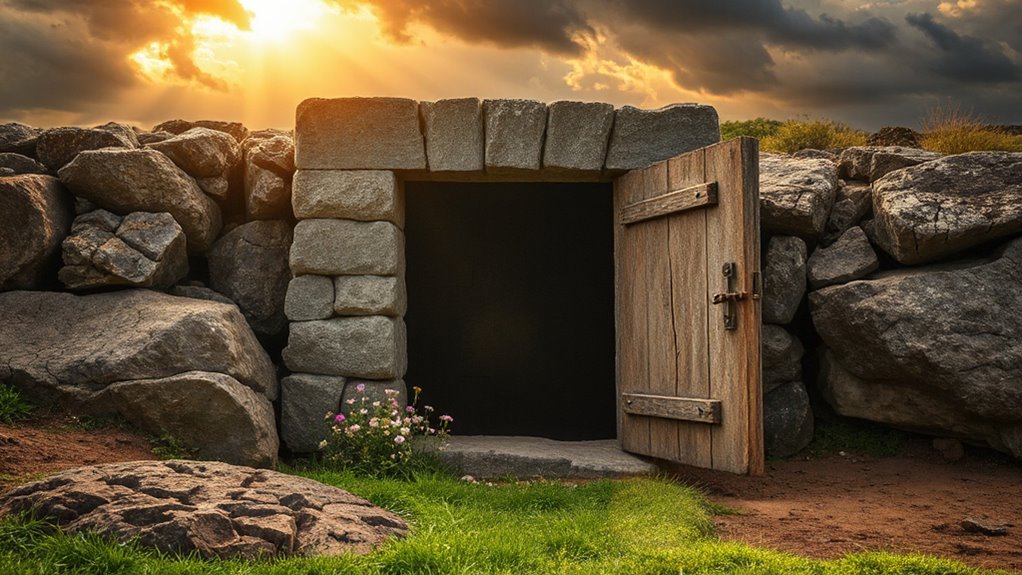
According to John 3:16, God offered His Son so that those who believe would receive eternal life rather than perish. Jesus himself, in John 11:25, claims to be “the resurrection and the life,” placing the source of that life in his identity rather than human achievement. John 17:3 further defines eternal life as knowing God and Jesus Christ. The New Testament was written in Koine Greek, the common dialect that helped these teachings spread across the Roman Empire.
First Peter 1:3 connects new birth to Jesus’ resurrection, and Revelation 1:18 describes him as holding authority over death.
Christian teaching frames eternal life as both a present relationship and a future resurrection hope. Jesus taught that there is no second chance after entering eternity, making the present moment the only opportunity to receive that life.
Where the previous section ends — with mortality framed as the consequence of a broken relationship between humanity and God — the Bible also presents a specific answer to that condition. This knowing is described not as detached information but as personal relational knowledge that includes trusting God, receiving His revealed truth, and living as His redeemed people.