
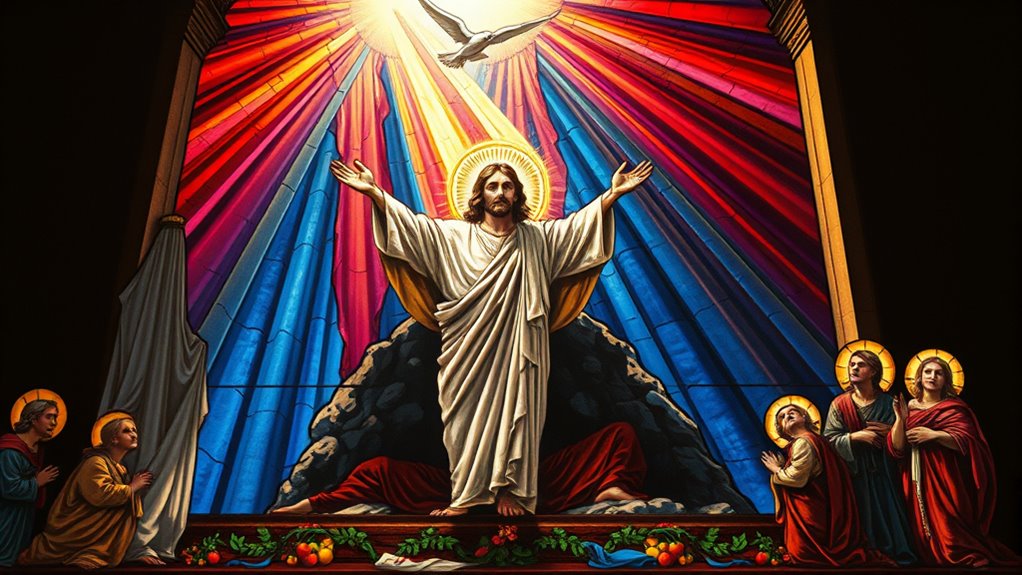
The Bible teaches that life begins with God’s creative act. Genesis 2:7 describes God forming the first man from dust, and God breathed life into him, so every human carries worth as someone made in God’s image. Scripture also explains why people die, and it presents Jesus as the way to eternal life. This article takes up each theme in turn.
Key Takeaways
- God created all life deliberately, and humans were formed in His image.
- Human worth is not earned through intelligence or productivity. It is grounded in being made in God’s likeness.
- Sin entered through one man and brought spiritual and physical death.
- Caring for vulnerable people is a moral responsibility before God.
- Eternal life comes through Jesus Christ and is defined as knowing God personally.
What the Bible Says About the Origin of Life

Genesis 1 presents an ordered sequence, with living creatures appearing across days three through six of creation week. God speaks, and life follows. Genesis 1:24–25 describes land animals made “according to their kinds,” which suggests deliberate design rather than random emergence. Before any living thing appeared, the Spirit of God was hovering over the waters, present at the very starting point of creation.
Genesis 2:7 adds a more personal detail about the creation of humanity.
Yahweh God formed man from the dust of the ground, and breathed into his nostrils the breath of life; and man became a living soul.
Genesis 2:7 (WEB)
Here God forms man from dust and breathes life directly into him. Humans were made in God’s image, reflecting qualities such as love and justice that set them apart from the animals. Across both accounts, life is presented as something given by God, not something that generated itself.
Why Every Human Life Has Dignity and Worth
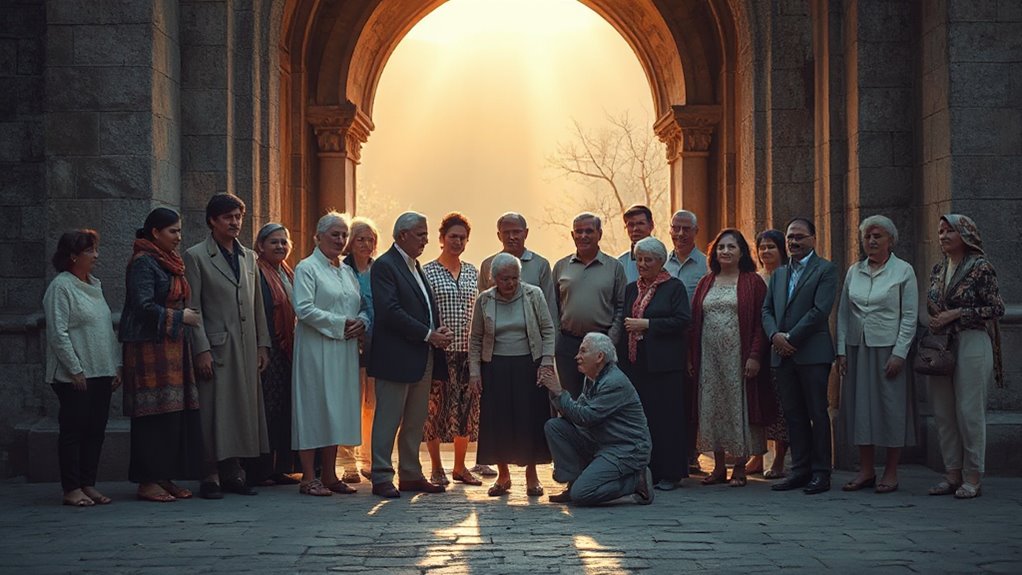
The Bible’s answer to why human life matters begins in its opening chapter.
God said, “Let us make man in our image, after our likeness: and let them have dominion over the fish of the sea, and over the birds of the sky, and over the livestock, and over all the earth, and over every creeping thing that creeps on the earth.” God created man in his own image. In God’s image he created him; male and female he created them.
Genesis 1:26-27 (WEB)
Humanity is created in the image and likeness of God, a designation applied to no other creature. This concept, often called the imago Dei, establishes human worth as inherent rather than earned. Worth does not depend on intelligence, health, productivity, or social standing. Genesis 9:6 extends this logic, grounding the prohibition against murder directly in the image of God.
Because every person reflects God’s character, every person carries dignity regardless of age, ethnicity, gender, or physical condition. The Bible treats this as a creation truth, not a cultural opinion. John Wyatt argues that dignity resides in what a human is by creation, not in what a person is able to do or achieve.
Care for the vulnerable, then, becomes an act of reverence toward God. Proverbs 24:11–12 calls God’s people to rescue those dying.
Rescue those who are being led away to death! Indeed, hold back those who are staggering to the slaughter! If you say, “Behold, we didn’t know this”; doesn’t he who weighs the hearts consider it? He who keeps your soul, doesn’t he know it? Shall he not render to every man according to his work?
Proverbs 24:11-12 (WEB)
Claiming ignorance does not remove moral responsibility before a God who weighs every heart.
What the Bible Teaches About Sin, Death, and Human Mortality

Before it speaks of hope or renewal, the Bible addresses a more difficult question: why people suffer, decline, and die. Romans 5:12 traces both sin and death to a single human origin, with death eventually spreading to everyone.
Therefore as sin entered into the world through one man, and death through sin; and so death passed to all men, because all sinned.
Romans 5:12 (WEB)
Adam’s disobedience functioned as a representative act, making him the entry point through which sin and its consequences passed to all people. Genesis 3:19 describes the physical outcome plainly: the human body returns to dust.
Death is not only physical. Ephesians 2:1 describes people as spiritually “dead” through sin, while Isaiah 59:2 frames sin as creating separation from God. James 1:15 adds that sin, once fully developed, produces death, and Hebrews 9:27 notes that death is appointed once, followed by judgment.
The Bible presents mortality not as random misfortune but as a condition rooted in a broken relationship between humanity and God. Revelation 20:14 identifies the lake of fire as the second death, marking the final and complete separation from God as the ultimate consequence of sin.
How Jesus Makes Eternal Life Possible
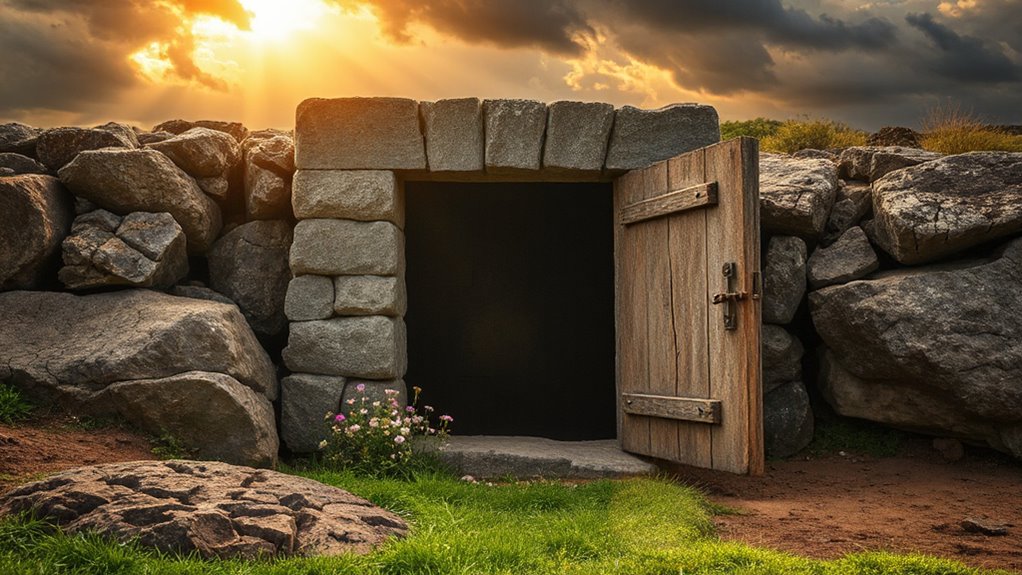
The Bible also offers a specific answer to that condition. According to John 3:16, God gave His Son so that those who believe would receive eternal life rather than perish.
For God so loved the world, that he gave his one and only Son, that whoever believes in him should not perish, but have eternal life.
John 3:16 (WEB)
In John 11:25, Jesus claims to be “the resurrection and the life,” placing the source of that life in his identity rather than human achievement. John 17:3 defines eternal life as knowing God and Jesus Christ. This knowing is described not as detached information but as personal relational knowledge that includes trusting God, receiving His revealed truth, and living as His redeemed people.
First Peter 1:3 connects new birth to Jesus’ resurrection, and Revelation 1:18 describes him as holding authority over death. Christian teaching frames eternal life as both a present relationship and a future resurrection hope. Jesus taught that there is no second chance after entering eternity, making the present the only opportunity to receive that life.
Common Questions About Life in the Bible
Does the Bible say humans are different from animals?
Yes. Both are described as living creatures made by God, but only humans are said to be made in His image. That image is tied to qualities such as love and justice, and it is the reason the Bible grounds human dignity in creation.
Does physical death end a person’s story?
The Bible describes the body returning to dust, but it does not treat death as the final word. Christian teaching points to resurrection hope through Jesus, who is described as holding authority over death.
Living With the Biblical View of Life
If life is a gift from God, it can be received with gratitude and treated with care in others. The Bible invites readers to consider not only where life comes from but also whom they come to know through it.