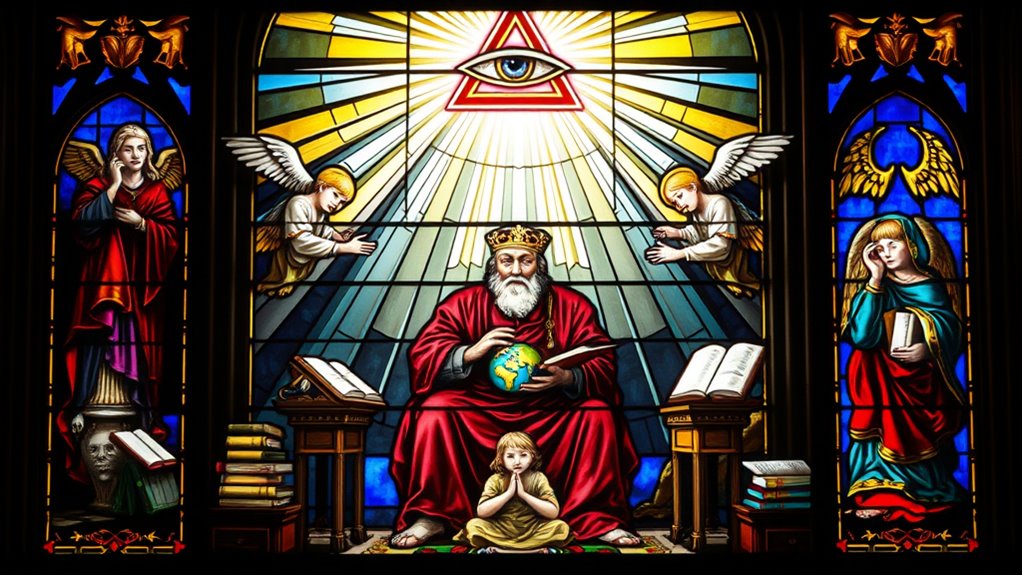
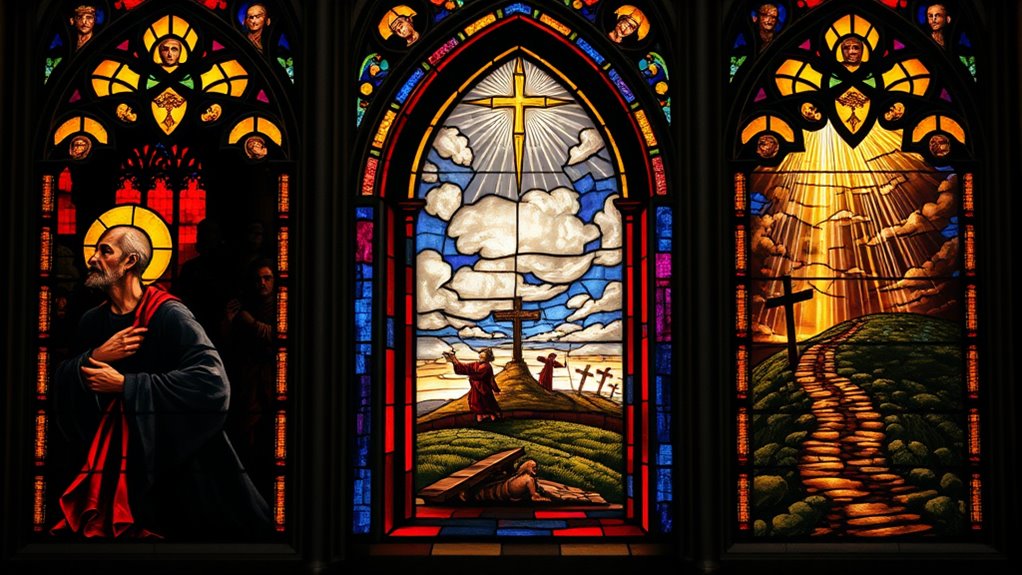
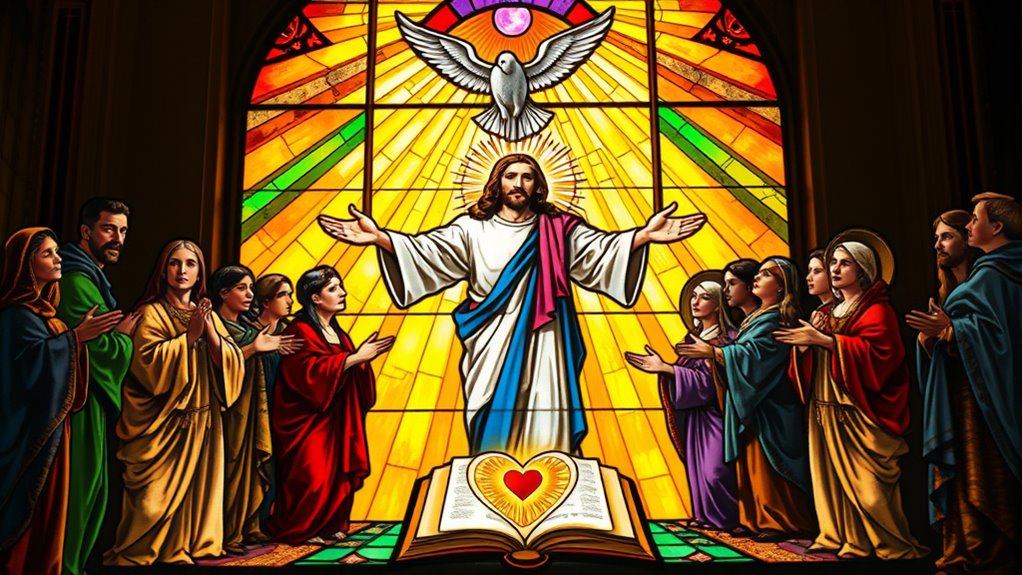

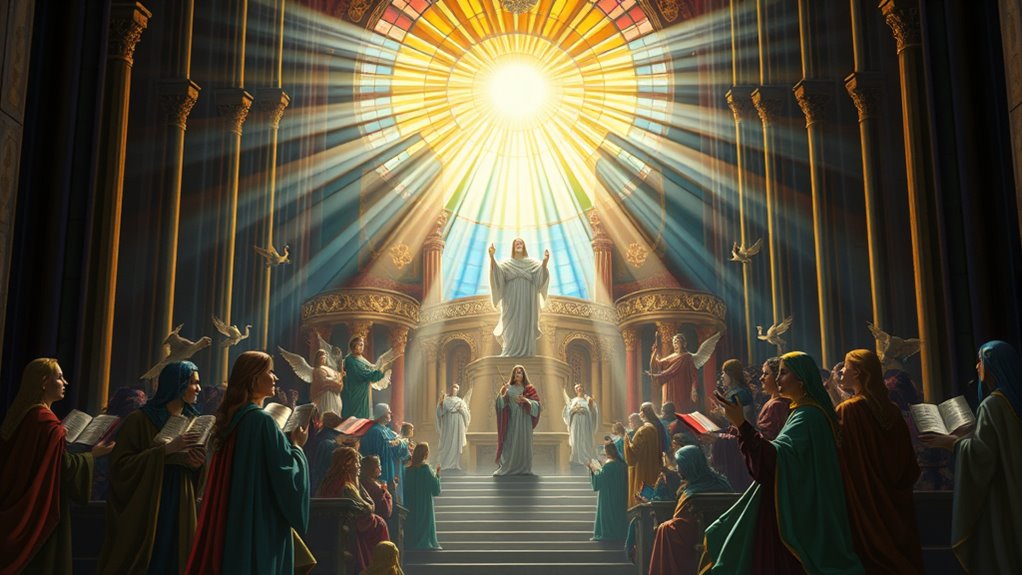
The Bible describes death as a separation of body and spirit. The body returns to dust, as Genesis 2:7 implies, while Ecclesiastes 12:7 says the spirit returns to God. Some passages describe the dead as “sleeping,” suggesting a waiting period before resurrection. Daniel 12:2 and John 5:28–29 both point toward a future awakening and judgment that determines eternal destiny. Each of those passages reveals something worth understanding more closely.
Key Takeaways
- At death, the body returns to dust while the spirit returns to God who gave it (Ecclesiastes 12:7; Genesis 2:7).
- The Bible describes the dead as “sleeping,” awaiting resurrection rather than experiencing immediate final judgment.
- Some passages suggest conscious fellowship with God between death and resurrection (Philippians 1:23; 2 Corinthians 5:8).
- Resurrection is the decisive turning point, transforming believers into glorified, imperishable bodies (1 Corinthians 15; Daniel 12:2).
- After resurrection, all face judgment, resulting in either eternal life or permanent exclusion from God’s kingdom.
What Does the Bible Say Happens the Moment You Die?

At the moment of death, Scripture describes a clear and orderly separation of the human person into two distinct outcomes. The body returns to dust, reversing the creation process described in Genesis 2:7, while the spirit returns instantly to God who gave it, as Ecclesiastes 12:7 states directly. This separation reflects God’s sovereign control over both life and death.
At death, the body returns to dust while the spirit returns instantly to God who gave it.
Job 34:14-15 reinforces this, noting that God withdraws breath and life ends.
Some passages, including Daniel 12:2 and 1 Thessalonians 4:13-15, describe the body’s state as sleep, emphasizing rest rather than finality.
Hebrews 9:27 adds that judgment follows death, and Acts 7:59 shows Stephen entrusting his spirit to Jesus, presenting death as a deliberate transfer into God’s care.
God keeps the spirit with Him until the resurrection, at which point it is placed into a refashioned body, with the spirit serving as a permanent record of the individual’s memories and personality, preserving their identity across death. According to 1 Thessalonians 4:16-17, the dead in Christ will rise first when the Lord descends, confirming that resurrection precedes reunion with God in the fullness of eternal life. The timing and nature of this reunion are consistent with the doctrine that Jesus and the Father are distinct persons within one divine being, reflecting the Trinitarian unity.
Are You Conscious or Asleep Between Death and Resurrection?
Once the moment of death passes, a second question follows closely: what happens to a person’s awareness during the time between death and resurrection?
Scripture offers language pointing in two directions.
Some passages, including references to Psalm silence and the dead awaiting awakening, suggest unconscious rest in the grave.
Daniel 12:2 describes the dead as sleeping in the dust until resurrection.
Others read Philippians 1:23 and 2 Corinthians 5:6–8 as depicting conscious fellowship with God before resurrection hope is fully realized.
Both interpretive camps agree that resurrection remains the central, future event.
The disagreement concerns only the interval.
Whether a person rests silently or remains aware, the biblical framework presents death not as the end but as a pause before something greater. Ecclesiastes 9:5 states plainly that the dead know not any thing, lending weight to the view that consciousness ceases at death.
Present-day advocates of soul sleep include Seventh-day Adventists, Jehovah’s Witnesses, Christadelphians, and some others who interpret the sleep language of Scripture as describing the soul rather than the body.
Ancient Hebrew terms like khûg and related cosmological language affect how readers interpret Scripture about death and the afterlife.
What the Bible Teaches About the Resurrection of the Dead
The question of what happens after death eventually leads to one of Scripture’s most developed subjects: the resurrection of the dead. Resurrection hope appears early, with Old Testament clues scattered across Isaiah 26:19, Daniel 12:2, and Job 19:25–27, each pointing toward bodily restoration beyond the grave. Archaeological and historical context around biblical sites like Bethlehem’s significance helps situate these promises within the unfolding story of Israel.
Jesus sharpened this expectation considerably. In John 11:25, He identified Himself as “the resurrection and the life,” and John 5:28–29 records Jesus’s future promise that all in graves will hear His voice and emerge to either life or judgment.
Paul built the clearest theological case in 1 Corinthians 15, presenting Christ as Paul’s firstfruits of those who have died, meaning His resurrection guarantees a broader harvest. Paul also specifies a resurrection order: Christ raised first, followed by those belonging to Him when Christ returns.
Scripture consistently frames resurrection as transformation, not mere resuscitation, involving continuity of identity alongside glorified, imperishable form. Paul makes clear that flesh and blood cannot inherit the kingdom of God, requiring the perishable to be clothed with the imperishable and the mortal to put on immortality.
When Does the Bible Say Final Judgment Happens?

Scripture does not place final judgment at the moment of death. Hebrews 9:27 establishes a sequence: death first, then judgment. The eschatological timing of that judgment, however, connects directly to Christ’s return.
Death precedes judgment — but judgment itself awaits Christ’s return, not the moment of dying.
Matthew 25:31–32 describes the Son of Man arriving in glory before all nations are gathered and separated.
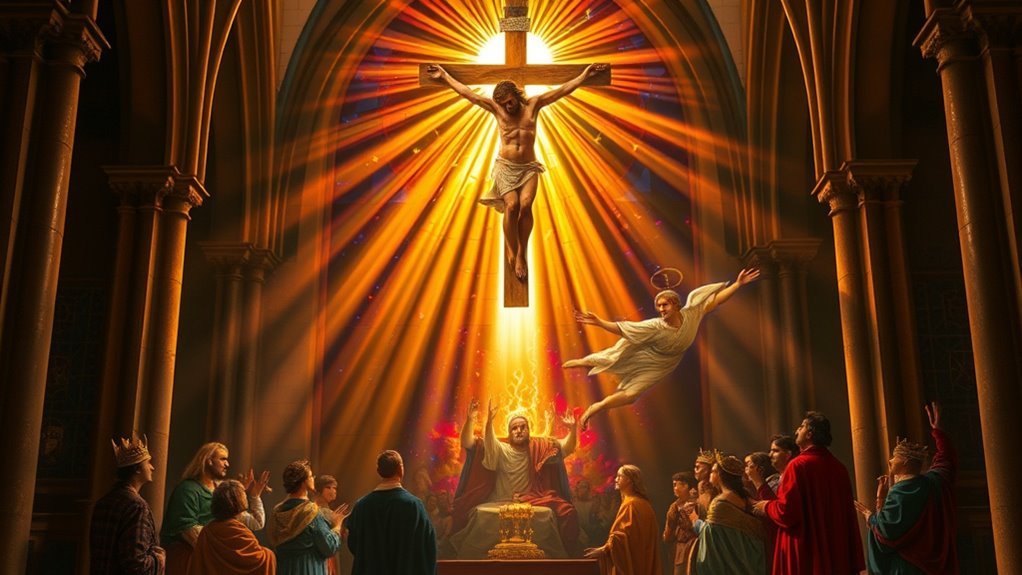
Revelation 20:11–15 pictures the dead, great and small, standing before a throne where books record their deeds. Catholics interpret such imagery in continuity with their teachings on the Last Judgment, seeing it as communal and sacramental in significance.
Romans 14:10 and 2 Corinthians 5:10 confirm the scene includes everyone.
Judgment atonement, in this framework, is a future divine appointment, not an immediate consequence of dying.
Matthew 24:36 notes that no one knows the exact day or hour.
Broad Christian interpretation agrees: final judgment remains a future event, firmly under God’s authority. The separation of people is compared to how a shepherd separates the sheep from the goats.
The concept of a final judgment did not originate within Christianity but traces back to Zoroastrianism, where it is known as Frashokereti, the earliest surviving articulation of a final judgment in any religion.
What the Bible Says About Heaven, Hell, and Eternal Destiny

Beyond the question of judgment’s timing, the Bible addresses where the dead ultimately go and what awaits them there.
Scripture describes two broad destinations: heaven, understood as eternal life in God’s presence, and hell, associated with separation from God and eternal punishment.
The intermediate state — the period between death and resurrection — is treated as temporary. The Bible’s writings about this period were composed across many centuries, reflecting a long development timeline of belief.
Theologians note that the Bible gives limited detail about this phase, focusing more on resurrection hope as the central promise.
At the final judgment, described in Revelation, the dead are raised and evaluated according to their deeds.
Believers receive glorified bodies and enter eternal life, while the unrighteous face permanent exclusion from God’s kingdom.
These two outcomes represent Scripture’s clearest framework for understanding eternal destiny. Ecclesiastes 9:5 states that the dead know nothing, describing death as a complete cessation of conscious awareness until resurrection.
The Catholic Church teaches that some souls undergo purification in purgatory before being accepted into the full presence of God in heaven.