
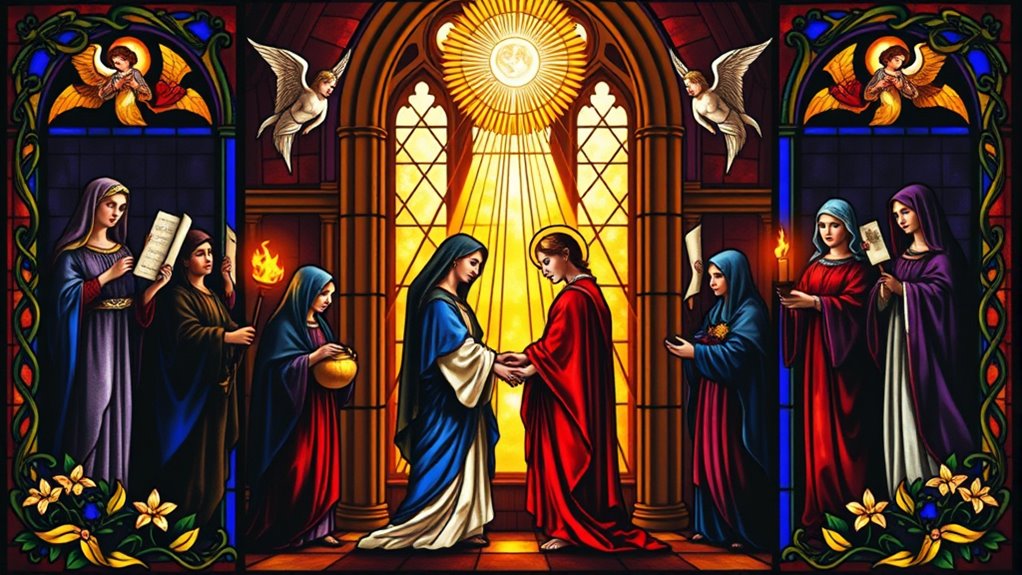
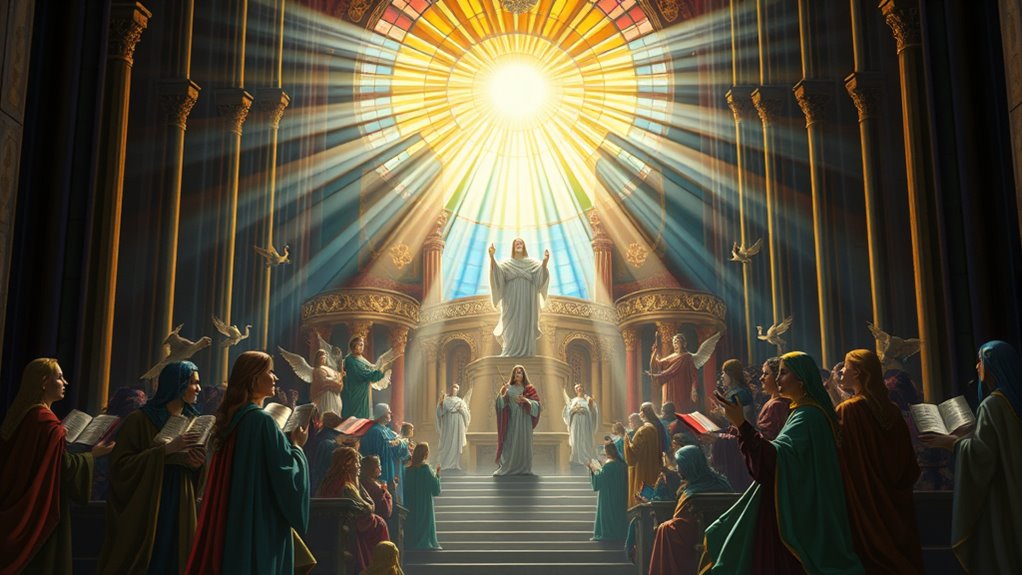
The Bible describes death as a separation of body and spirit: the body returns to dust, and the spirit returns to God who gave it. Many passages call the dead “sleeping” while they wait for resurrection. Christians differ on whether the dead are conscious in that interval. Scripture consistently points to a future resurrection and judgment.
Key Takeaways
- Death separates the body, which returns to dust, from the spirit, which returns to God.
- Christians disagree about the interval before resurrection: some see conscious fellowship with God, others see unconscious “soul sleep.”
- Resurrection is the decisive turning point, when believers receive glorified, imperishable bodies.
- Final judgment follows death and is tied to Christ’s return, not to the moment of dying.
What Does the Bible Say Happens the Moment You Die?

Scripture describes death as an orderly separation of the human person. The body returns to dust, reversing the creation process described in Genesis 2:7, while the spirit returns to God who gave it.
and the dust returns to the earth as it was, and the spirit returns to God who gave it.
Ecclesiastes 12:7 (WEB)
Job 34:14-15 reinforces this, noting that God withdraws breath and life ends. Acts 7:59 shows Stephen entrusting his spirit to Jesus, presenting death as a deliberate transfer into God’s care. Hebrews 9:27 adds that judgment follows death.
Some passages, including Daniel 12:2 and 1 Thessalonians 4:13-15, describe the dead as asleep, emphasizing rest rather than finality.
One view holds that God keeps the spirit with Him until the resurrection, when it is placed into a refashioned body, with the spirit serving as a permanent record of the individual’s memories and personality. According to 1 Thessalonians 4:16-17, the dead in Christ will rise first when the Lord descends, which suggests that resurrection precedes reunion with God in the fullness of eternal life.
Are You Conscious or Asleep Between Death and Resurrection?
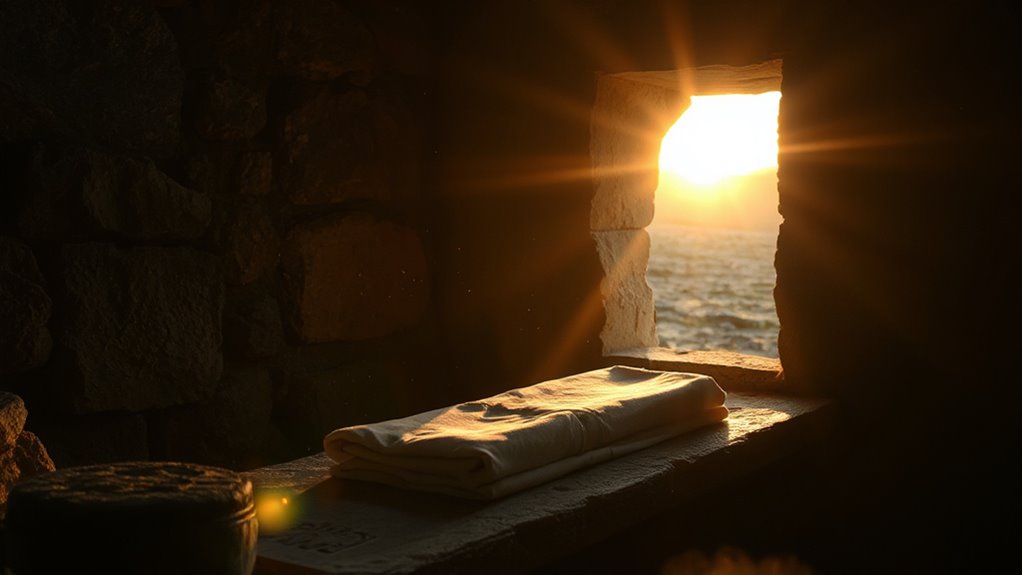
A second question follows: what happens to a person’s awareness between death and resurrection? Scripture offers language pointing in two directions.
Some readers see unconscious rest in the grave. Daniel 12:2 describes the dead as sleeping in the dust until resurrection, and Ecclesiastes 9:5 says that the dead know not anything.
For the living know that they will die, but the dead don’t know anything, neither do they have any more a reward; for their memory is forgotten.
Ecclesiastes 9:5 (WEB)
Present-day advocates of soul sleep include Seventh-day Adventists, Jehovah’s Witnesses, Christadelphians, and some others who read the sleep language of Scripture as describing the soul rather than the body.
Others read Philippians 1:23 and 2 Corinthians 5:6–8 as depicting conscious fellowship with God before the resurrection.
We are courageous, I say, and are willing rather to be absent from the body, and to be at home with the Lord.
2 Corinthians 5:8 (WEB)
Both camps agree that resurrection remains the central future event. The disagreement concerns only the interval. Either way, the biblical framework presents death not as the end but as a pause before something greater.
What the Bible Teaches About the Resurrection of the Dead
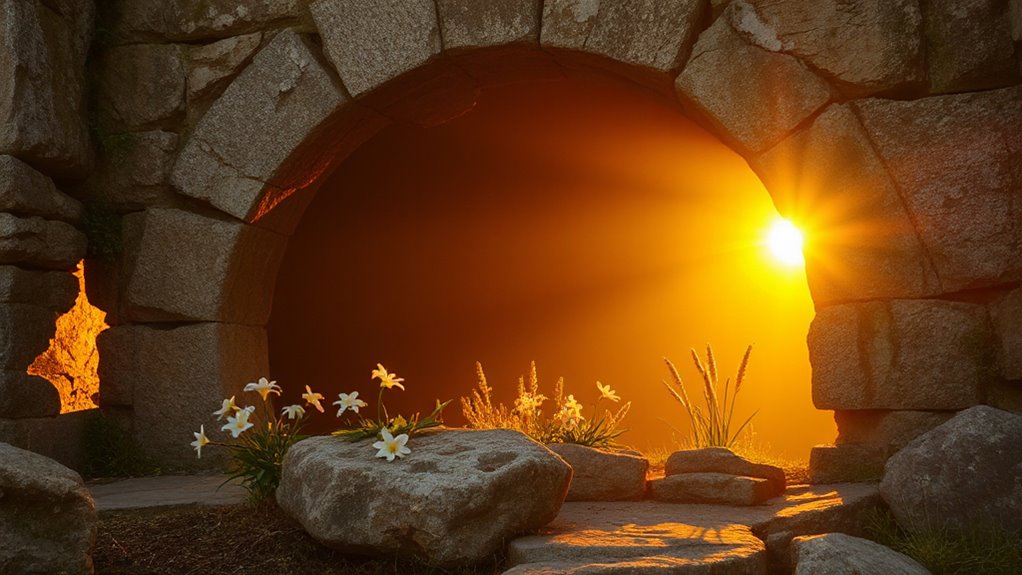
The question of what happens after death leads to one of Scripture’s most developed subjects: the resurrection of the dead. Hope of resurrection appears early in the Old Testament, with hints in Isaiah 26:19, Daniel 12:2, and Job 19:25–27, each pointing toward bodily restoration beyond the grave.
Jesus sharpened this expectation. In John 11:25 He identified Himself as “the resurrection and the life,” and John 5:28–29 records His promise that all in the graves will hear His voice and come out, some to life and some to judgment.
Don’t marvel at this, for the hour comes, in which all that are in the tombs will hear his voice, and will come out; those who have done good, to the resurrection of life; and those who have done evil, to the resurrection of judgment.
John 5:28-29 (WEB)
Paul built the clearest theological case in 1 Corinthians 15, presenting Christ as the firstfruits of those who have died, meaning His resurrection guarantees a broader harvest. He also specifies an order: Christ first, then those who belong to Him when Christ returns.
Scripture frames resurrection as transformation, not mere resuscitation, with continuity of identity alongside a glorified, imperishable form. Paul says that flesh and blood cannot inherit the kingdom of God, so the perishable must be clothed with the imperishable and the mortal with immortality.
When Does the Bible Say Final Judgment Happens?

Scripture does not place final judgment at the moment of death. Hebrews 9:27 establishes a sequence: death first, then judgment.
Inasmuch as it is appointed for men to die once, and after this, judgment,
Hebrews 9:27 (WEB)
The timing of that judgment connects to Christ’s return. Matthew 25:31–32 describes the Son of Man arriving in glory, with all nations gathered before him and separated as a shepherd separates sheep from goats. Revelation 20:11–15 pictures the dead, great and small, standing before a throne where books record their deeds. Catholics interpret such imagery in continuity with their teaching on the Last Judgment.
Romans 14:10 and 2 Corinthians 5:10 confirm that everyone is included. Matthew 24:36 adds that no one knows the exact day or hour. Broad Christian interpretation agrees that final judgment remains a future event under God’s authority.
The concept of a final judgment is also found in Zoroastrianism, where it is known as Frashokereti, the earliest surviving articulation of a final judgment in any religion.
What the Bible Says About Heaven, Hell, and Eternal Destiny

Beyond the timing of judgment, the Bible addresses where the dead ultimately go. Scripture describes two broad destinations: heaven, understood as eternal life in God’s presence, and hell, associated with separation from God and eternal punishment.
The intermediate state, the period between death and resurrection, is treated as temporary. Theologians note that the Bible gives limited detail about this phase and focuses more on resurrection hope. Its writings on the subject were composed across many centuries, reflecting a long development timeline of belief.
At the final judgment, described in Revelation, the dead are raised and evaluated according to their deeds. Believers receive glorified bodies and enter eternal life, while the unrighteous face permanent exclusion from God’s kingdom.
The Catholic Church adds that some souls undergo purification in purgatory before being accepted into the full presence of God in heaven.
Common Questions About Death and the Afterlife
Which groups teach soul sleep?
Seventh-day Adventists, Jehovah’s Witnesses, and Christadelphians are among those who hold that consciousness ceases at death. They read the Bible’s sleep language as describing the soul rather than only the body.
Do Catholics believe something different about the time after death?
Yes. The Catholic Church teaches that some souls are purified in purgatory before entering the full presence of God. Other traditions do not share this teaching.
Living With Hope Beyond the Grave
Christians may disagree about the interval between death and resurrection, yet the Bible’s central message is steady: death is not the final word. If this question weighs on you, reading 1 Corinthians 15 slowly is a good place to begin.