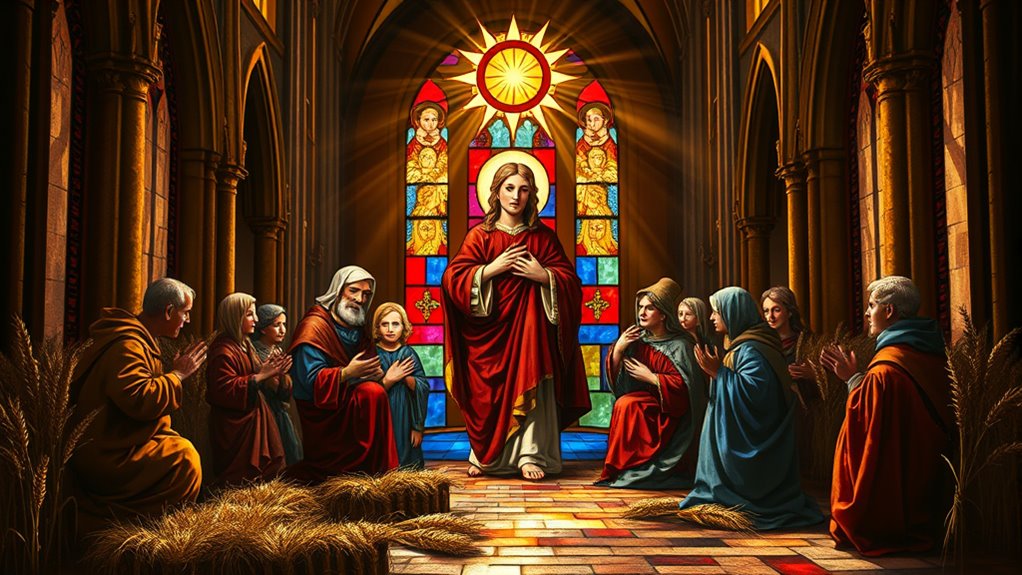



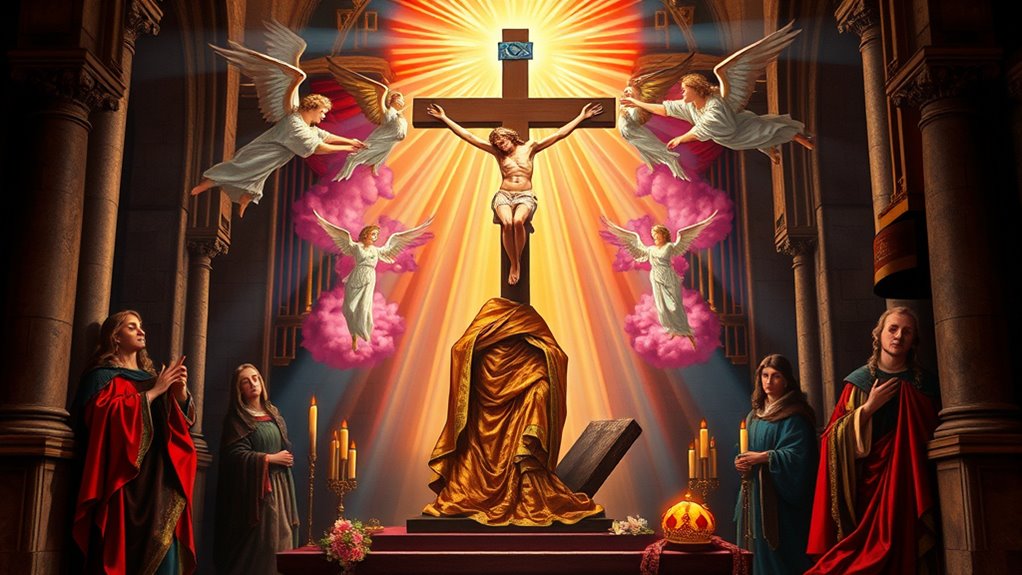
St. Peregrine Laziosi was born around 1260 in Forlì, Italy, and became a Servite priest known for prayer and penance before dying in 1345. Pope Benedict XIII canonized him in 1726. Catholic tradition holds that a cancerous wound on his leg healed overnight, just before a scheduled amputation, after he prayed before an image of Christ. That account established his enduring role as the patron saint of cancer patients, and his story has particular resonance for those following Pope Leo XIV’s recovery.
Who Is St. Peregrine and Why Do Catholics Call Him the Cancer Saint?
Among Catholic saints associated with illness, St. Peregrine Laziosi holds a specific and enduring place. Born around 1260 in Forlì, Italy, he became a Servite priest known for prayer, penance, and service. His story has often inspired Christians to place confident hope in God’s promises rather than mere wishful thinking.
He died in 1345 and was canonized in 1726 by Pope Benedict XIII. Catholics call him the “cancer saint” because tradition links him to a severe cancerous condition affecting his foot or leg, reportedly so advanced that amputation was scheduled.
That association shaped centuries of devotion. Shrines, prayer cards, and pastoral materials have since identified him as the patron saint of cancer patients and those facing serious illness. His feast day is celebrated on May 1 each year. According to tradition, the night before his surgery, Peregrine received a vision of Christ touching his afflicted leg, and by morning the cancer had disappeared.
The Miracle That Made Peregrine the Patron Saint of Cancer
What most established Peregrine’s reputation as a healer was a single episode reported to have occurred late in his life, after years of penance and prayer had already defined his character.
A cancerous growth developed on his leg, and doctors determined amputation was necessary.
The night before surgery, he prayed before an image of Christ and fell asleep.
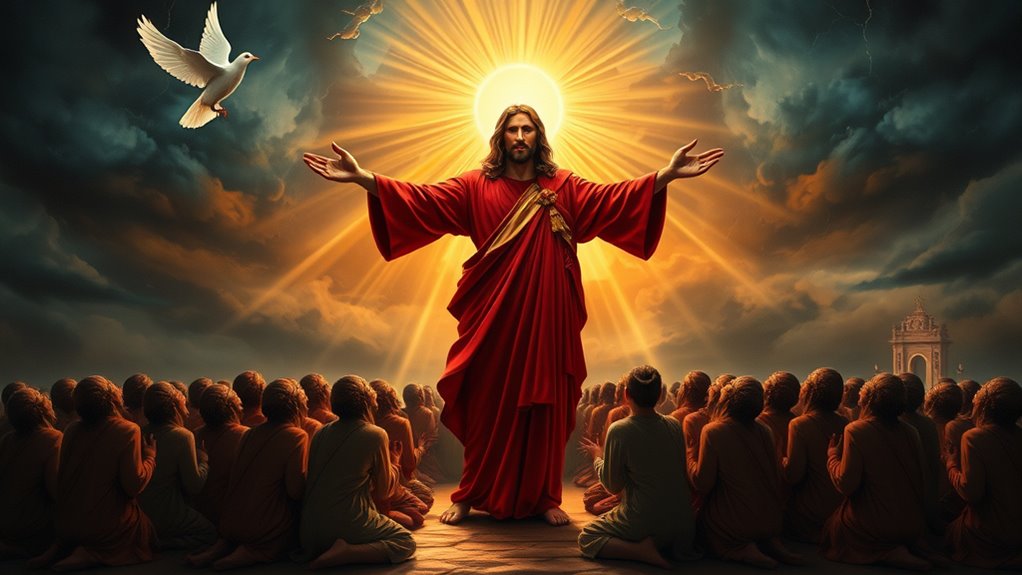
Catholic accounts describe Christ reaching down from the cross to touch the diseased limb.
When Peregrine woke, the wound was gone.
Physicians reportedly found no trace of disease.
That healing became the foundation of his enduring patronage of cancer sufferers. He is now recognized as the patron saint of cancer and other illnesses, and his intercession is sought alongside appropriate medical treatment.
According to Franciscan Mission Associates, Peregrine had spent many years living a life of quiet prayer, solitude, and repentance before the illness that would define his legacy ever emerged.
Why Catholics Pray to St. Peregrine When Diagnosed With Cancer
Facing a cancer diagnosis, many Catholics turn not only to doctors but to devotion, directing prayers to St. Peregrine for intercession, comfort, and strength.
His own survival of severe leg cancer positions him as a credible witness to suffering endured with faith.
Catholics typically invoke him for three reasons:
- To request healing, or peace when healing is uncertain
- To find a model of patience during painful treatment
- To pray for others facing cancer, reinforcing communal solidarity
Parish novenas, ministry booklets, and bulletin prayers keep this devotion active, framing illness as something endured alongside both medicine and faith. Christian communities often pair such prayerful care with mental-health awareness and practical support for the sick.
One widely used prayer asks God to grant an eventual world free from cancer where all may live out their span of life in useful service.
The prayer to St. Peregrine closes with a repeated petition, “pray for me”, invoked three times as a final appeal for his ongoing intercession.
Why the Church Officially Named Peregrine the Patron Saint of Cancer
The personal devotion Catholics bring to St. Peregrine has a formal foundation.
The Church officially named him patron of cancer patients, recognizing a longstanding miracle tradition centered on his own cancerous leg wound.
The Church formally named St. Peregrine patron of cancer patients, grounding his title in an established miracle tradition.
Catholic sources describe the designation as ecclesial recognition, not a clinical claim.
His patronage extends to serious illness, skin disease, and AIDS, but cancer remains primary.
The title functions as an intercessory role within Catholic saint devotion, reflecting the category of suffering he experienced himself.
His beatification in 1609 and canonization in 1726 helped formalize that recognition, anchoring popular devotion within official Church acknowledgment. Physicians had determined that amputation was necessary before Peregrine reported a miraculous healing after praying before a crucifix in the chapel.
Born into a wealthy family in Forli, Peregrine began as a political leader of the local anti-Papist party before a profound conversion led him to join the Servite order and dedicate his life to the poor, sick, and outcasts of society.
Believers see his story as pointing toward resurrection and eternal life, a central biblical hope that affirms death is not the final word.
Why Catholics Are Praying to the Cancer Saint for Pope Leo XIV
When reports emerged that Pope Leo XIV was recovering from lung cancer surgery at Rome’s Gemelli Hospital, Catholics turned almost immediately to St. Peregrine.
The response followed a familiar pattern: match the suffering to the saint.
Three reasons explain the prayer surge:
- St. Peregrine’s identity as the “cancer saint” made him the natural intercessor.
- His own healing story mirrors the gravity of the pope’s condition.
- Catholics view saintly intercession as spiritual solidarity, not superstition.
Church outlets amplified the devotion quickly, extending prayers beyond the pope to all cancer patients worldwide. His feast is celebrated on May 1. St. Peregrine’s own miraculous cure involved a cancerous wound on his foot that surgeons had planned to amputate, only for him to wake the morning of the operation completely healed. Many Catholics also see invoking saints as part of the broader pastoral response to suffering and illness.