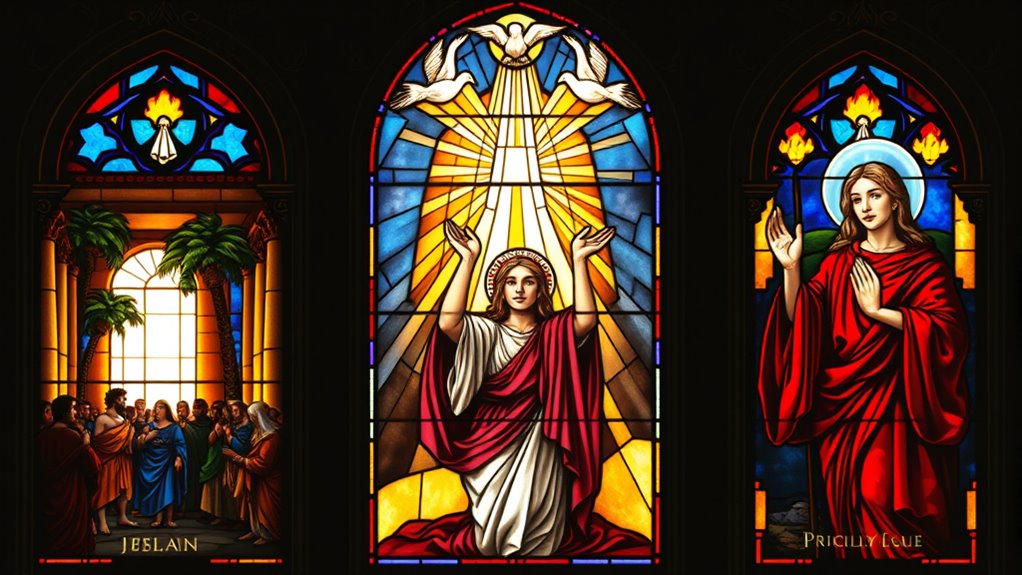
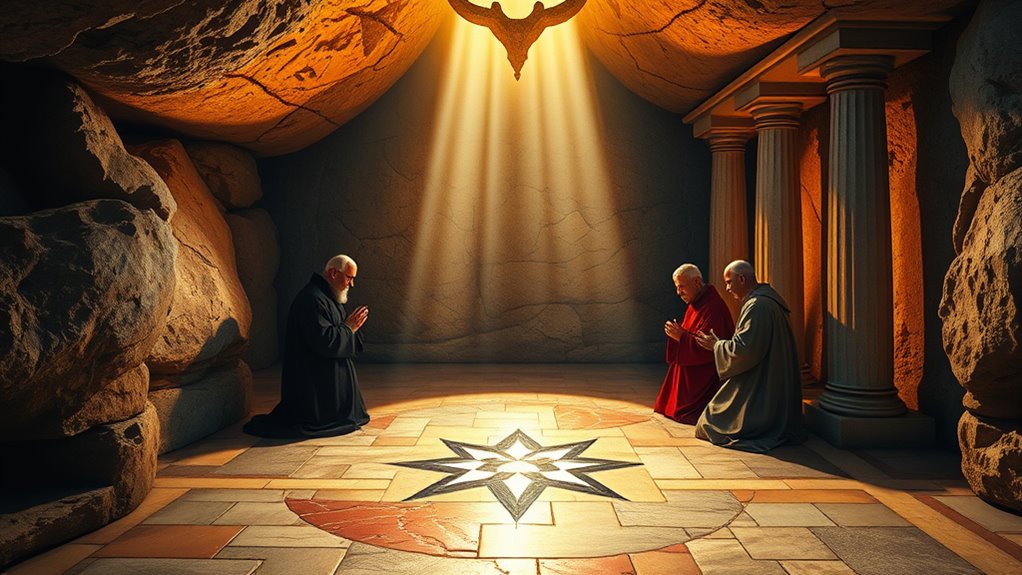
The Grotto of the Nativity in Bethlehem, marked by a fourteen-point silver star where tradition holds Jesus was born, will receive its first thorough restoration in roughly six centuries starting in 2026. The project comes as urgent conservation needs converge with efforts to revive tourism after the Israel-Hamas conflict, with Palestinian President Mahmoud Abbas coordinating work among Greek Orthodox, Franciscan, and Armenian custodians under the historic Status Quo agreement. The restoration promises both spiritual renewal and economic support for Bethlehem’s struggling community.
After six centuries without significant intervention, the Grotto of the Nativity in Bethlehem, Palestine—the small cave beneath the Basilica of the Nativity where Christian tradition holds that Jesus Christ was born—will undergo its first thorough restoration. The project, announced between January 23 and 27, 2026, follows formal plans initiated by a 2024 presidential decree from Palestinian Authority President Mahmoud Abbas and marks a rare moment of ecumenical cooperation at one of Christianity’s most sacred sites.
The grotto itself is a small space accessed through a narrow door, visited annually by millions of pilgrims. The exact spot believed to mark Christ’s birth is identified by a fourteen-point silver star under Greek Orthodox custody. Due to a centuries-old Status Quo agreement, any work requires coordination among the Greek Orthodox Patriarchate of Jerusalem, the Custody of the Holy Land (Franciscans), and the Armenian Apostolic Orthodox Patriarchate—all of whom have endorsed this restoration.
Three ancient Christian communities have united to restore the silver star marking the birthplace of Christ beneath Bethlehem’s basilica.
The scope includes restoring bare rock, marble floors, columns, decorations, and the silver star itself, along with technical reinforcement in adjacent sections. An Italian company from Prato, which restored the Basilica of the Nativity two years earlier, will execute the work, guaranteeing continuity in craftsmanship and sensitivity to the site’s spiritual significance. Local artisans and workers trained in preservation will also be employed.
The timing reflects both urgent need and symbolic intent. Abbas mentioned the project during a November 2025 visit to Rome with Pope Leo XIV and at the Bethlehem Reborn exhibition. Beyond preserving the architectural and spiritual heritage, the restoration serves as a sign of hope and unity amid regional crises, including the aftermath of the Israel-Hamas conflict and declining pilgrimage numbers. The work is carried out under the auspices of the presidency of the State of Palestine, ensuring alignment with the historic status quo. The site is described as a sanctuary of immense value to Christianity, one that has changed the course of human history.
Economically, the project offers crucial support to Bethlehem, generating employment and aligning with efforts to revive tourism under Phase 2 of a U.S. peace plan. For believers worldwide, the restoration upholds the dignity of a site that connects them to the roots of their faith and preserves its continuity for future generations. The project also highlights the region’s deep biblical heritage tied to the patriarchal narratives foundational to Israel’s identity.