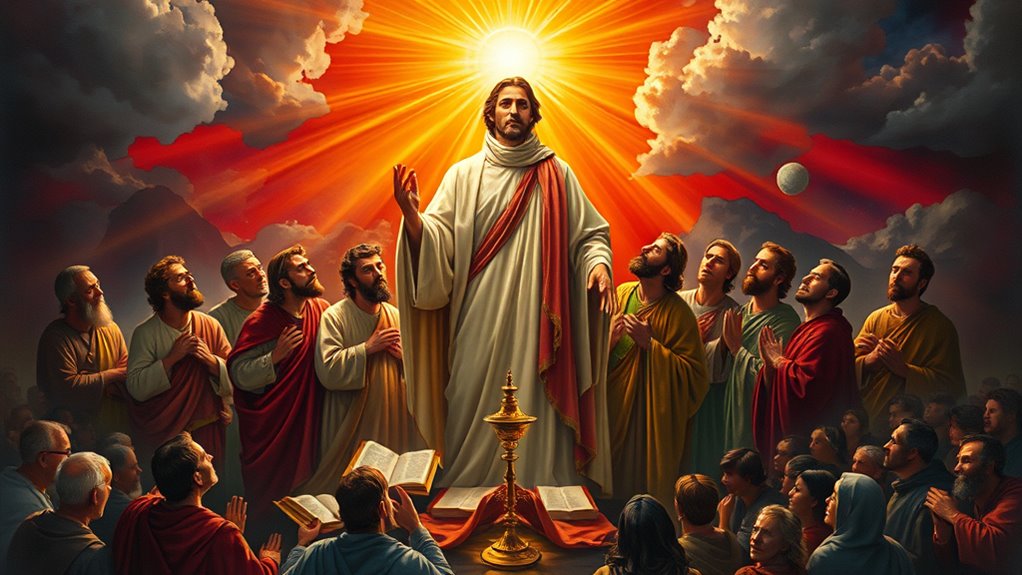

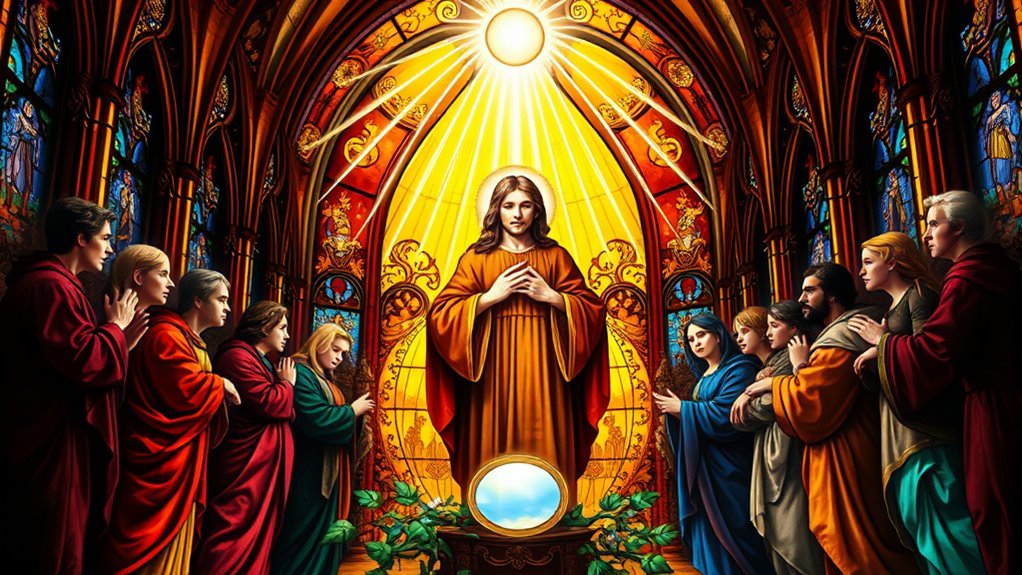
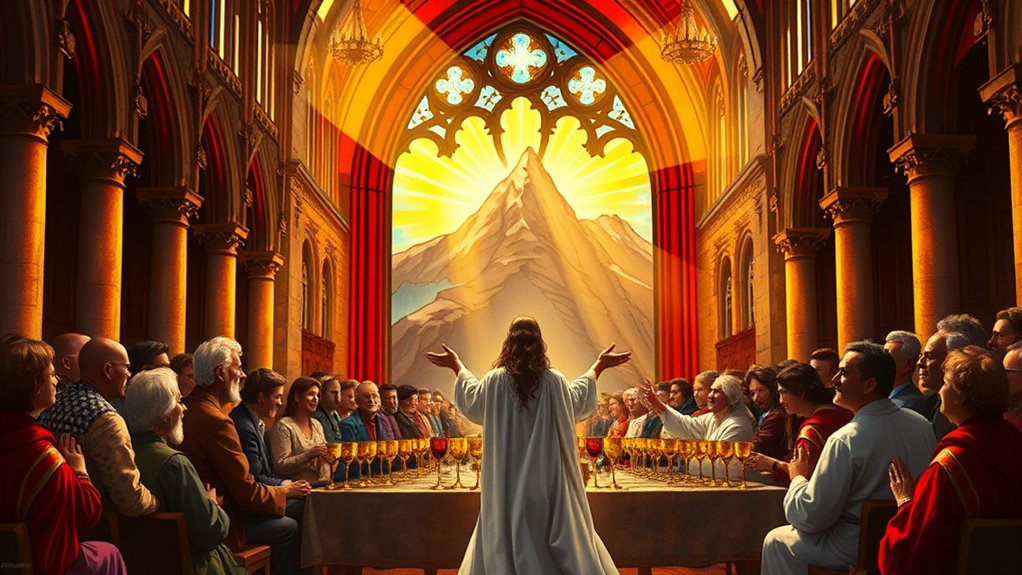
The Bible frames heaven not as a quiet resting place but as a wedding feast. Matthew 22:2 compares the kingdom of heaven to a king’s banquet for his son. Revelation 19:7–9 calls it the “marriage supper of the Lamb,” where the church, as Christ’s Bride, is finally united with Him. The imagery is covenantal, joyful, and inclusive. Understanding what this feast means—and when it happens—opens a much fuller picture of what Scripture actually promises.
What the Bible Says About Heaven as a Wedding Feast
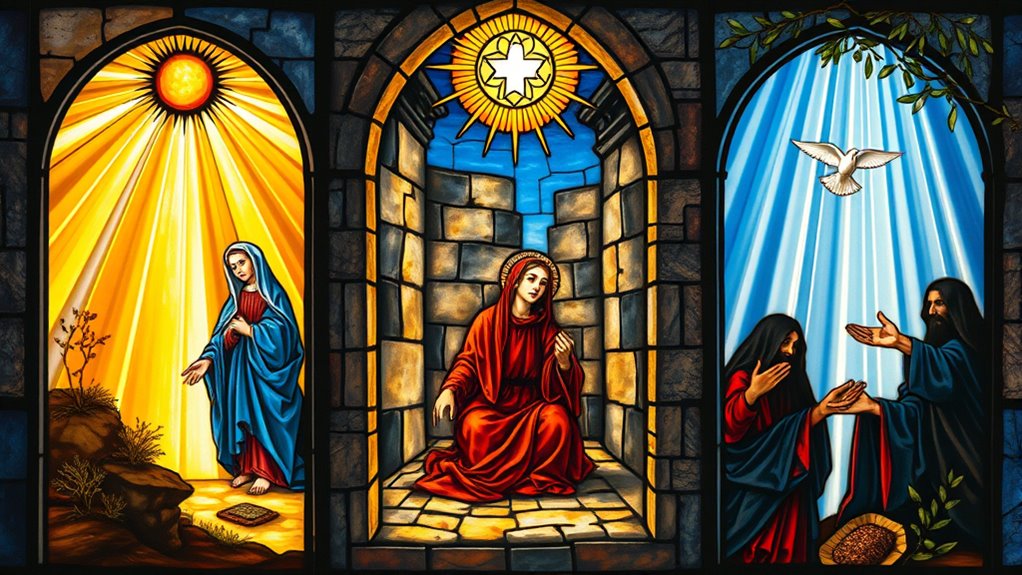
Throughout the New Testament, the kingdom of heaven is portrayed not as a distant, abstract domain but as a celebration with a seat at the table.
In Matthew 22:2, Jesus compares it directly to a king’s wedding banquet for his son.
The feast is royal, covenantal, and Christ-centered by design.
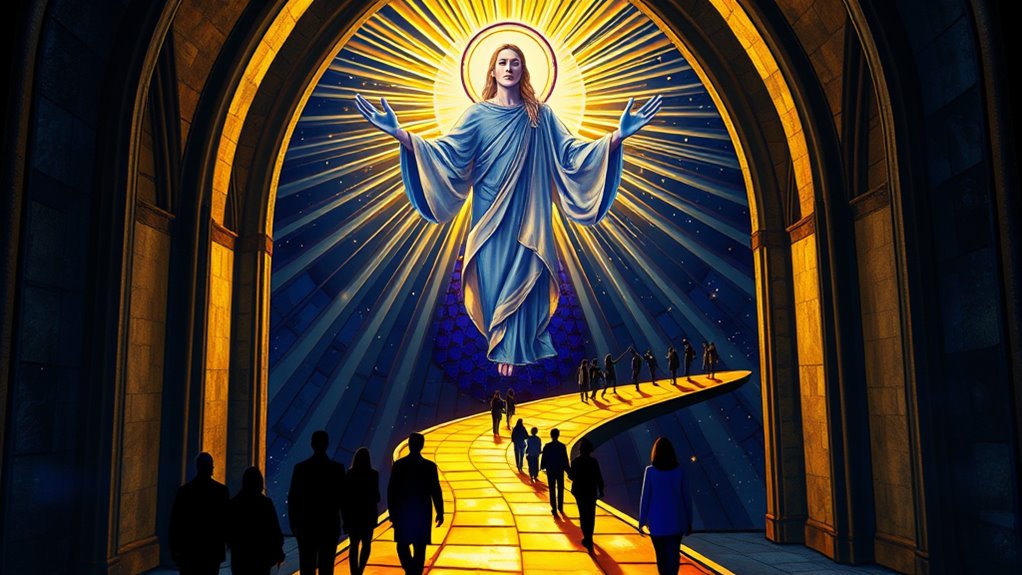
Invitations go out broadly, but responses vary.
Some guests refuse; others are ultimately turned away.
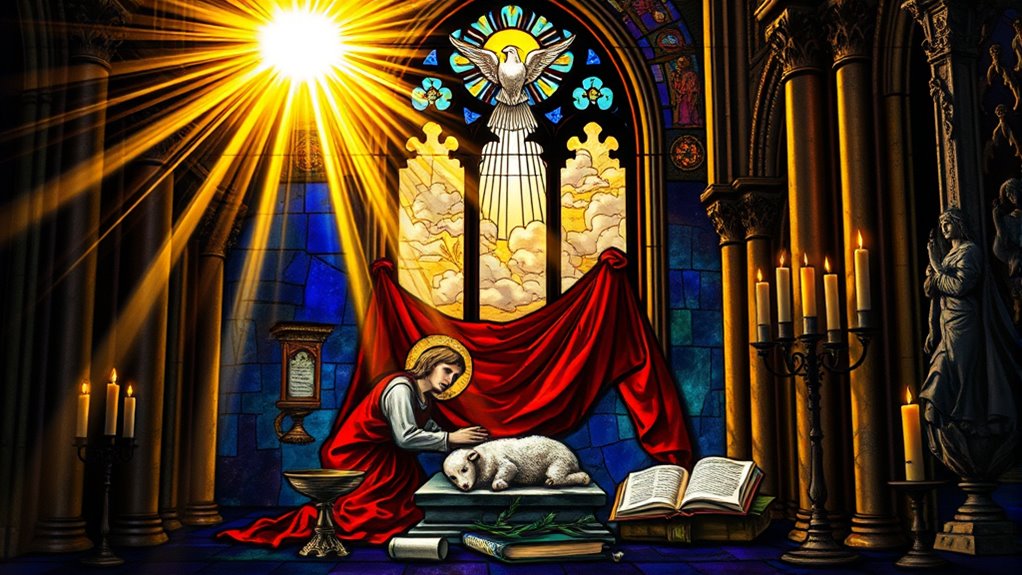
Revelation 19:7-9 extends the image forward, describing the “marriage supper of the Lamb” as heaven’s culminating celebration.
Revelation 19 doesn’t whisper about heaven — it announces a wedding feast, loud and final and glorious.
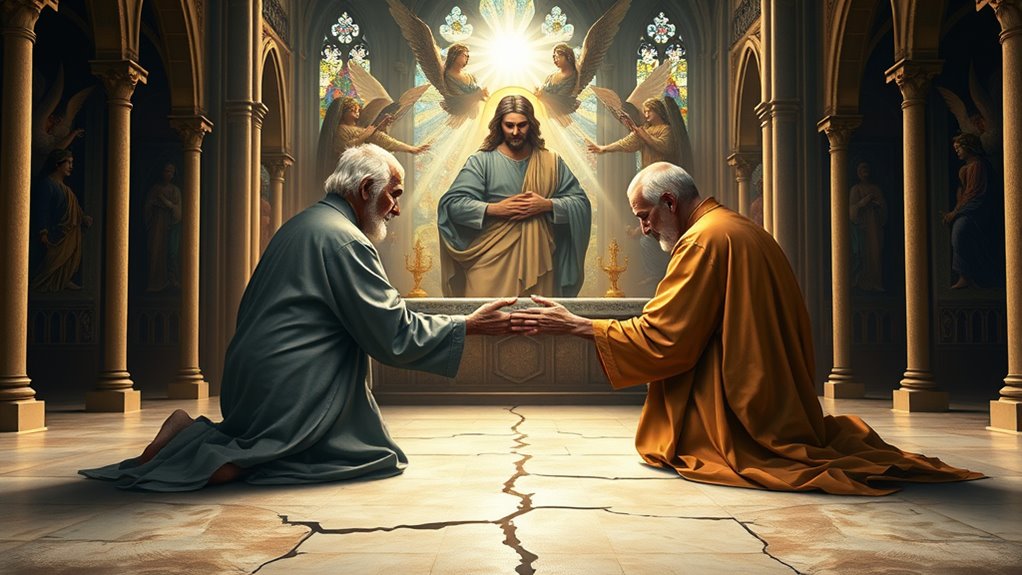
Both texts frame entry into God’s kingdom as a matter of invitation received, not status inherited.
The man who appeared without a wedding garment was cast into outer darkness, where there was weeping and gnashing of teeth.
Under ancient Jewish custom, the marriage contract was signed by the parents, and the couple was considered legally married at signing, even before the wedding celebration began.
This imagery also ties into broader eschatological themes like the new creation promised throughout Scripture.
Where Does the Bridegroom Image Come From?
The bridegroom image did not originate with the New Covenant. It runs deep through the Hebrew Bible, where prophets like Hosea, Isaiah, Jeremiah, and Ezekiel used marriage language to describe God’s relationship with Israel.
Hosea made it especially direct, framing Yahweh as Israel’s spouse rather than simply its ruler. Notably, Hosea transferred the sacred marriage concept from nature to history, rooting it in Moses and the covenant rather than in Canaanite fertility ceremonies.
The Song of Songs later gave this tradition its most poetic form, offering language that Jewish and Christian readers applied allegorically to divine union. In this nuptial framework, Israel’s unfaithfulness was depicted as cuckolding the husband, a betrayal of the covenant bond rather than merely a legal or political violation. Additionally, later New Testament writers built on these Hebrew Bible themes when portraying Christ and the church in nuptial terms, especially in passages addressing bridal imagery.
What It Means for the Church to Be Christ’s Bride
When Christians speak of the church as Christ’s bride, they are drawing on a metaphor that carries far more weight than a simple organizational label.
Ephesians 5:25–27 and Revelation 19:7–9 anchor the image in covenant language, emphasizing intimacy, devotion, and exclusive belonging.
Three realities the metaphor communicates:
- Covenant relationship — Christ initiates and gives Himself fully for the church.
- Holiness in progress — the church is being prepared, spotless and glorious, for final union.
- Permanent belonging — the church shares Christ’s name, dignity, and future glory without end.
The church, comprised of those who have personally trusted in Jesus Christ as Savior, is not merely an institution but a people chosen as His bride. This union is described as a great mystery, a divine truth hidden from the world yet revealed to those who belong to Him. Many contemporary readers also consider how biblical metaphors interact with modern discussions of LGBTQ+ inclusion in church life.
When Does the Marriage Supper of the Lamb Actually Happen?
Few questions in prophetic theology produce more careful debate than the timing of the marriage supper of the Lamb. Revelation 19:7–9 describes the event but does not specify an exact date or duration.
Few questions in prophetic theology provoke more careful debate than the timing of the marriage supper of the Lamb.
Three main interpretations exist. Pre-tribulational writers place the supper in heaven during the Tribulation, following the rapture and judgment seat of Christ.
A second view ties the supper directly to Christ’s visible return.
A third positions it on earth at the Millennium’s opening, distinguishing the heavenly marriage ceremony from an earthly feast.
Each position reflects genuine textual reasoning, and scholars continue weighing the sequence carefully. In Jewish custom, the marriage supper was held at the groom’s father’s house, not at the bride’s home.
The bride is described as adorned in fine linen of righteousness, representing the righteous acts of the saints as recorded in Revelation 19:8. Historical and theological discussions often connect this imagery to broader rapture views debated in eschatology.
How the Wedding Feast Image Reshapes the Biblical Picture of Heaven
Debates over the timing of the marriage supper matter, but they can obscure something equally significant: what the wedding feast image itself reveals about the nature of heaven. Scripture shifts the picture from a quiet, static afterlife to something active and relational.
Three images help clarify this shift:
- A banquet hall filled with celebration, drawn from Matthew 22, where fellowship replaces solitude.
- A bride clothed in fine linen, representing the Church’s righteous acts before Christ.
- A royal table set for all invited guests, echoing Isaiah 25’s vision of an eternal, inclusive feast.
Revelation 19:9 pronounces a blessing on those invited to the feast, extending the celebration beyond the Bride alone to include Old Testament saints and all who belong to Christ.
Isaiah 25:6 depicts this ultimate gathering as a lavish banquet for all peoples, set on the mountain with aged wine and refined details, framing the feast not as a reward for the few but as Yahweh’s victory celebration over death itself.
This hopeful expectation is grounded in God’s character as faithful to His promises and not mere wishful thinking, a confidence rooted in biblical hope.