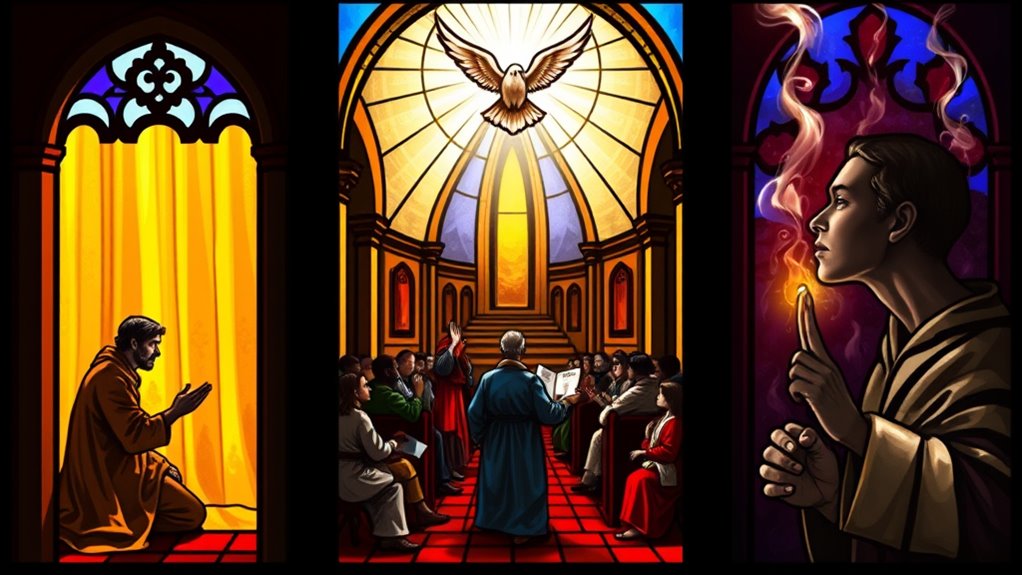
The early church treated Scripture as a shared, spoken encounter with God’s word rather than private reading material. Most believers could not read, so trained readers recited aloud during worship gatherings. Justin Martyr recorded that Sunday meetings included apostolic writings and prophetic texts read publicly, then explained. First Timothy 4:13 reflects the same pattern. The entire Bible, from Genesis forward, points to Christ as its center. Those who explore this practice further will find it reshapes how communities form and worship together.
Why the Bible Has Always Pointed to Christ
From Genesis to Revelation, the Bible presents a single redemptive story with one central figure: Jesus Christ.
The Bible is one unfolding story, from beginning to end, and Jesus Christ stands at its center.
In Luke 24:44–47, Jesus himself identifies the Law, the Prophets, and the Psalms as a unified witness to him.
Earlier figures like Adam, Moses, and David served as patterns anticipating his arrival.
The Old Testament exposed humanity’s sin and need for a Savior, while the New Testament announced that Savior’s coming.
Written across centuries by many authors, Scripture maintains one coherent message: God’s plan to redeem a people.
Christ gives the whole narrative its clearest meaning and its intended end. A whole Bible makes a whole Christian, grounding believers in the full story of redemption from its earliest pages to its final fulfillment.
This redemptive story was never an afterthought — it flows from God’s eternal plan, purposed before creation and executed in time through the person and work of Jesus Christ.
Believers throughout church history have experienced lasting transformation by reading Scripture in worship as both proclamation and formation.
How the Early Church Actually Read Scripture Together
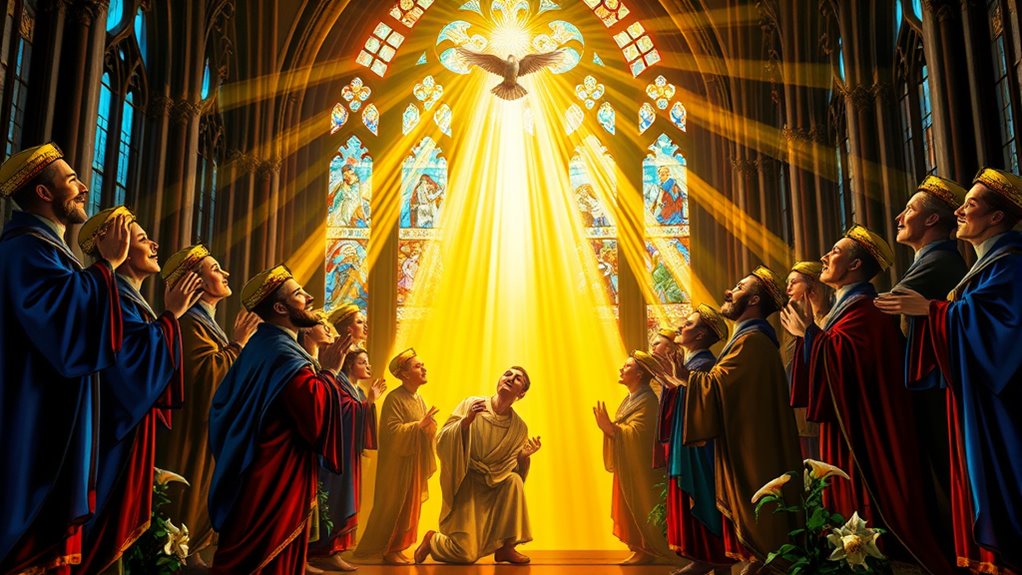
When the earliest Christians gathered for worship, reading Scripture aloud was not a secondary activity but a central one. Most believers could not read, so a trained reader would stand and read to the assembled community.
First Timothy 4:13 reflects this practice directly. The pattern followed Jewish synagogue tradition, moving through worship, reading, and exposition in sequence.
Old Testament texts came first, then apostolic letters and Gospels as they circulated. Some letters were written explicitly for congregational reading.
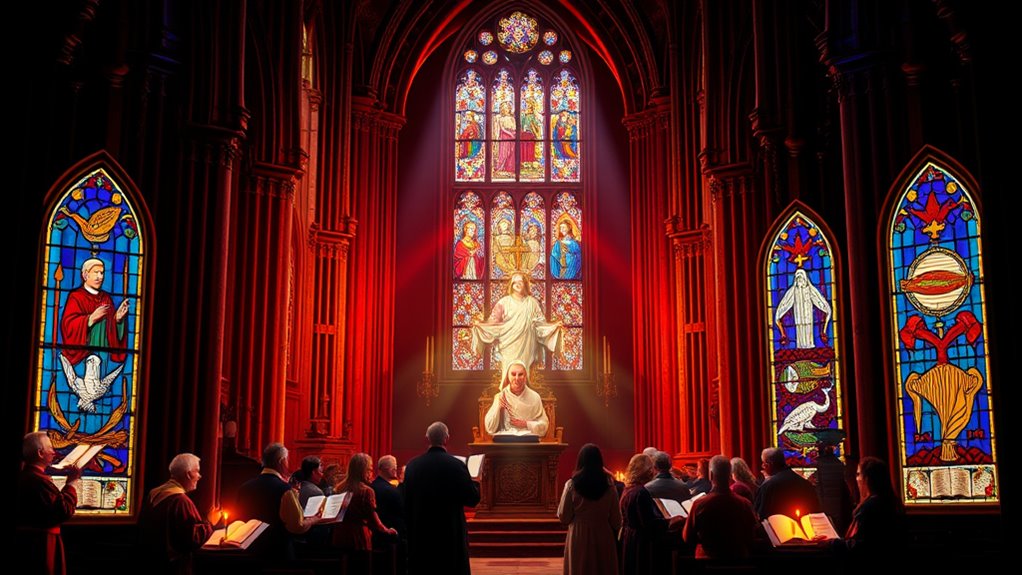
Specific individuals, called lectors, were appointed to this role by the second century, treating public reading as ordered, repeated, and worshipful. Justin Martyr described Sunday gatherings where the memoirs of the apostles and writings of the prophets were read as long as time permits, followed by instruction from the presiding leader.
Early church leaders held that the best exegesis was conducted by spiritually formed members within the church, not by isolated individuals reading Scripture apart from the community. The public reading practice also reflected the Bible’s role as authoritative Scripture shaping teaching, correction, and communal formation.
How Ancient Reading Habits Should Shape Your Worship Today
The ancient habits of Scripture reading were not simply historical curiosities; they carry practical implications for how congregations worship today.
Early communities treated reading as communal, ordered, and Christ-centered — practices still recoverable in modern worship settings.
- Schedule regular, planned Scripture readings within services
- Read passages aloud for the whole congregation to hear together
- Pair readings with explanation, connecting text to Christ’s person and work
- Allow Scripture to prompt response — prayer, silence, or renewed commitment
- Follow a structured reading calendar to build continuity across seasons
These patterns treated Scripture as formation, not information — a distinction worth recovering. For most of church history, few churches possessed more than a portion of Scripture, making communal reading the primary way most believers encountered God’s word. A five-bookmark variety pattern — drawing from the Pentateuch, History, Poetry and Prophets, Gospels and Acts, and Epistles and Revelation — reflects a similarly ordered approach to ensuring the full range of Scripture remains accessible. The regular practice of assembling for worship also emphasized communal encouragement and teaching as primary purposes of gathering.